Hyrcanian Forests

North of Iran
Hyrcanian Forests
Unveiling the Ancient Tapestry of the Hyrcanian Forests
A Living Fossil: Ecological Significance
Geographical Marvel: Caspian Sea to Alborz Peaks

Hyrcanian Forests

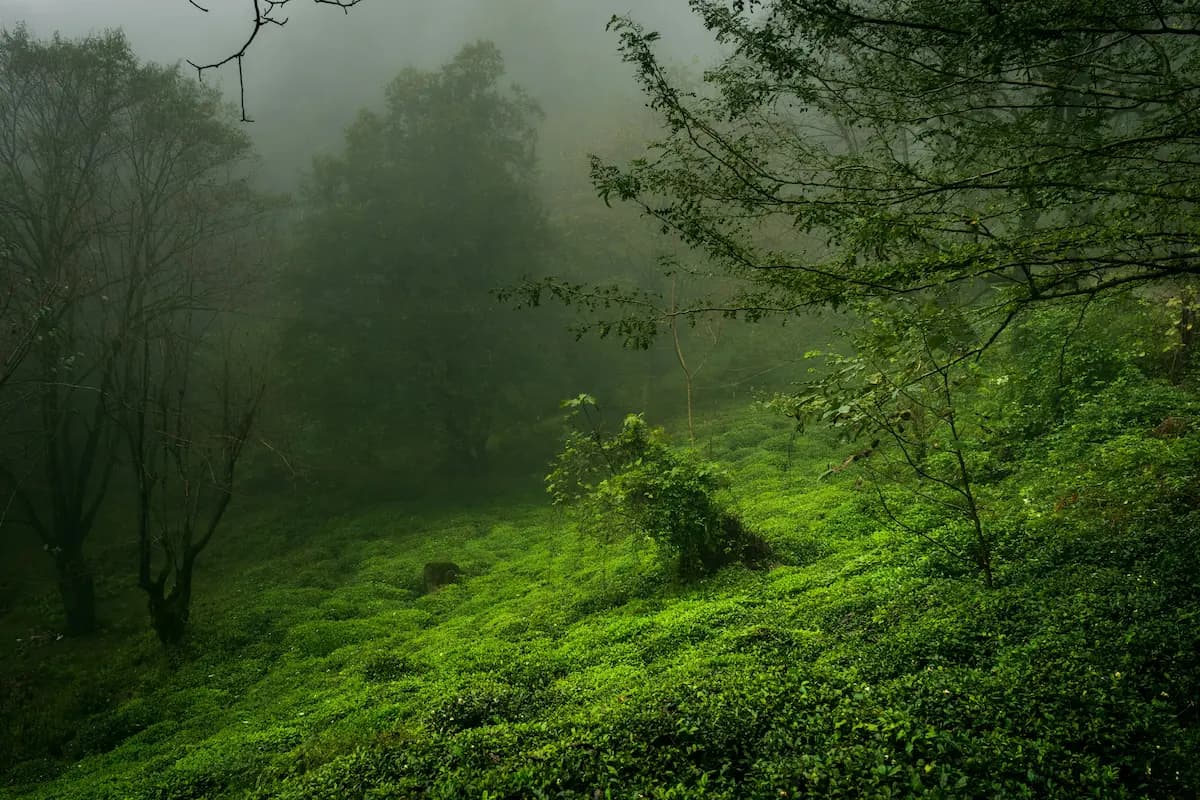
The Hyrcanian Forests, a mesmerizing emerald expanse stretching across the southern shores of the Caspian Sea, are more than just a landscape; they are a living fossil and a testament to Earth’s ancient history. These spectacular forests represent a unique temperate broadleaf ecosystem that has survived successive glaciations for over 25 to 50 million years. This incredible endurance has earned them the moniker “Jurassic Park” of Iran, offering an unparalleled glimpse into a prehistoric world and cementing their place among Iran's most significant natural heritage sites, standing proudly alongside its rich historical treasures.

Unveiling the Ancient Tapestry of the Hyrcanian Forests

Unveiling the Ancient Tapestry of the Hyrcanian Forests

The Hyrcanian Forests, a breathtaking expanse draped across the southern Caspian Sea shores and the northern slopes of the Alborz mountain range, offer an unparalleled journey into Earth's ancient past. These remarkable forests are a relict of the temperate broadleaf forests that once covered much of the Northern Hemisphere, enduring for 25 to 50 million years. Often referred to as Iran's 'Jurassic Park', the Hyrcanian Forests provide a sanctuary for flora and fauna that have long vanished from other parts of the world, making them one of Iran's most cherished natural wonders.

Designated a UNESCO World Heritage Site in 2019, the Hyrcanian Forests span approximately 850 kilometers, from Azerbaijan's border to the Iranian provinces of Golestan, Mazandaran, and Gilan. This colossal natural barrier thrives on a distinct microclimate, characterized by high annual rainfall and moderate temperatures, fostering an incredible biodiversity that is vital for global ecology.

A Living Fossil: Ecological Significance

A Living Fossil: Ecological Significance
The incredible endurance of the Hyrcanian Forests through successive glaciations is what truly sets them apart. They are a surviving relict ecosystem, providing invaluable insight into major stages of Earth's history. The dense canopy, dominated by ancient tree species, acts as a crucial carbon sink, playing a significant role in regional climate regulation. This unique ecosystem has preserved species that are extinct elsewhere, highlighting its profound ecological importance.

Geographical Marvel: Caspian Sea to Alborz Peaks

Geographical Marvel: Caspian Sea to Alborz Peaks
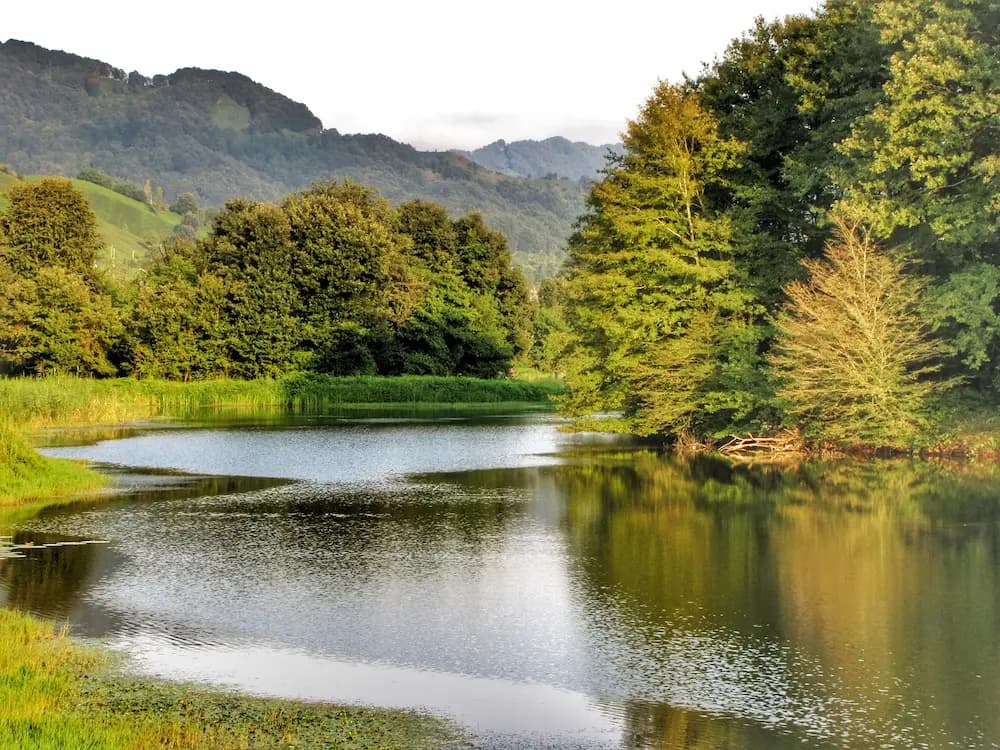
The unique geographical position of the Hyrcanian Forests, nestled between the marine influence of the Caspian Sea and the towering Alborz peaks, creates a fascinating vertical stratification of vegetation. From lower elevation mixed forests to mountain forests and subalpine meadows, each layer supports a distinct and delicate ecosystem. This diverse topography, combined with abundant rainfall, fosters an incredibly lush and humid environment, resembling temperate rainforests.

Key Areas and Enchanting Forest Attractions

Key Areas and Enchanting Forest Attractions

While the Hyrcanian Forests are a vast, contiguous ecological region, several key protected areas and natural sites offer the best opportunities for visitors to explore the rich tapestry of Hyrcanian forest attractions. These areas are often managed as national parks, protected zones, or specific forest parks, ensuring their long-term survival and offering structured visitor experiences into the heart of Iran’s natural beauty.

Golestan National Park: The Eastern Gateway
Golestan National Park: The Eastern Gateway
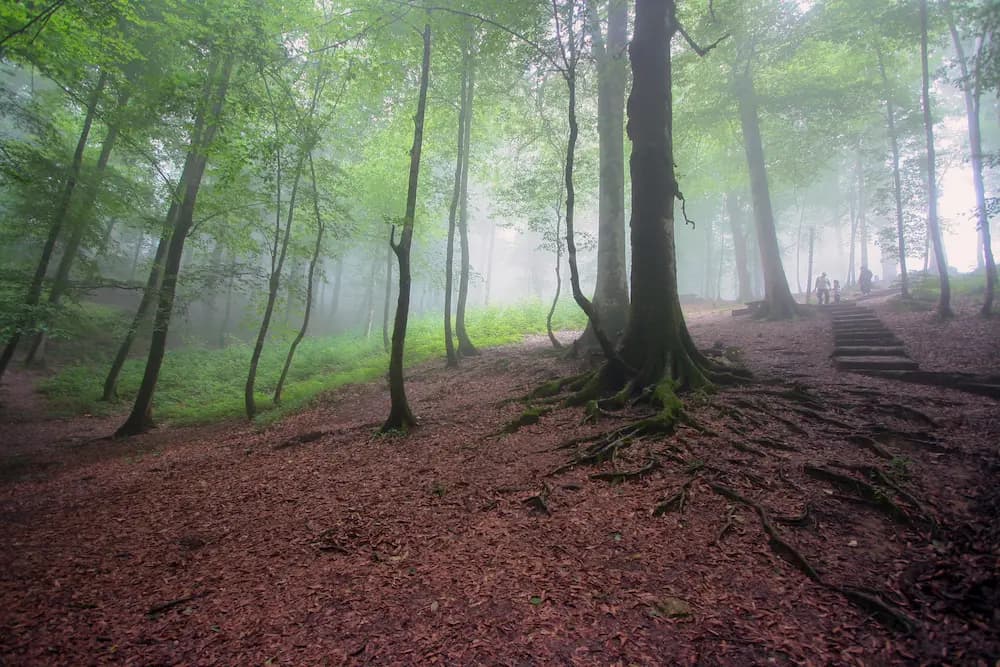
Situated in the eastern expanse of the Hyrcanian Forests, Golestan National Park holds the distinction of being the very first National Park in Iran and a recognized UNESCO Biosphere Reserve. It's particularly renowned for its unique transition zone where lush Hyrcanian vegetation merges with semi-arid steppes. As a vital wildlife sanctuary, it offers a critical habitat for diverse species, including leopards, brown bears, and red deer, making it exceptional for nature observation and wildlife photography enthusiasts.

Masal and Talesh Forests: Misty Mountain Vistas

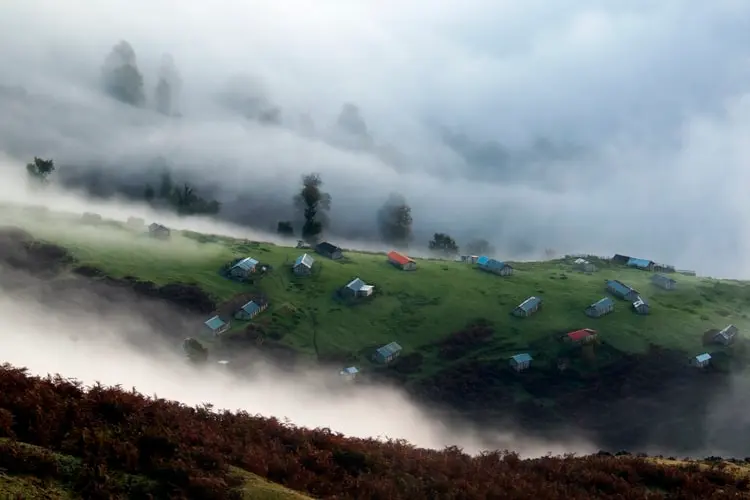
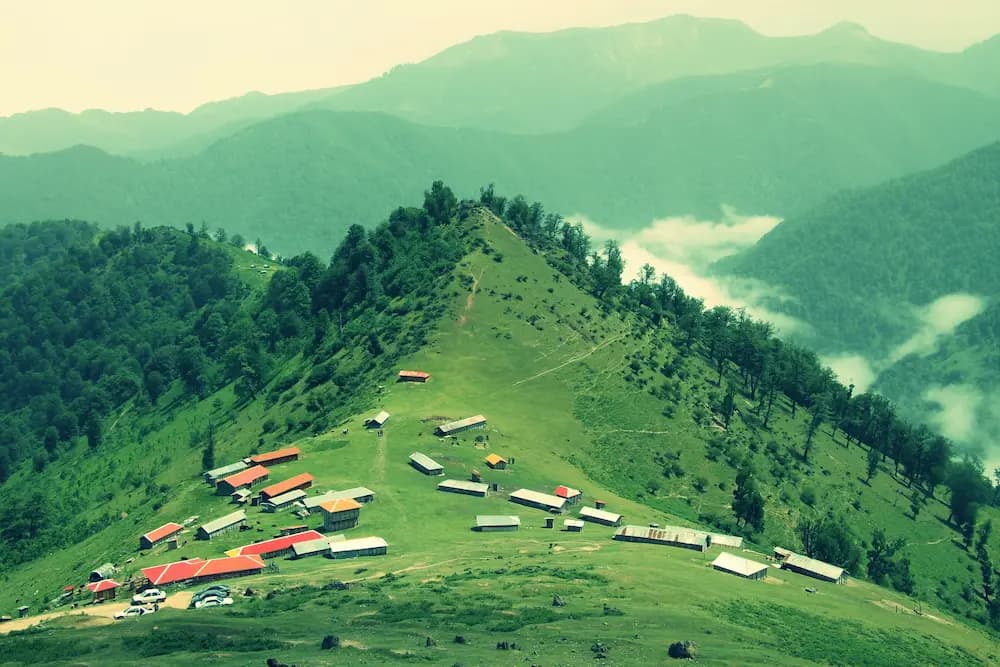
The western reaches of the Hyrcanian Forests, particularly around Masal and Talesh near Rasht, are famed for breathtaking, often fog-shrouded views where dense forest meets dramatic mountains. The traditional, secluded villages perched on forest edges offer unique cultural experiences. The ascent to the famous 'Yurt' (traditional tent) settlements from Masal is a highlight of the northern Iran forests, blending cultural immersion with stunning natural beauty.

Javaher Deh and Ramsar: Cloud-Kissed Heights

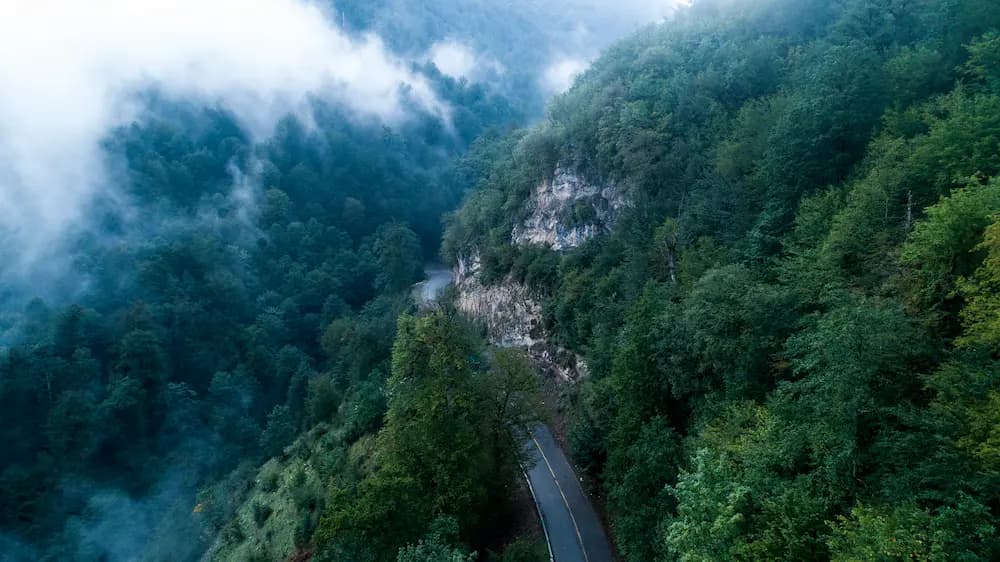
The forests near Ramsar, especially around the village of Javaher Deh, are highly popular due to their high altitude and stunning views overlooking the Caspian Sea. The winding roads through the dense, cloud-kissed forest create an almost mystical aesthetic, defining much of the Hyrcanian Forests' allure and providing a classic misty, serene experience for travelers.

UNESCO World Heritage Status: Global Recognition

The designation of the Hyrcanian Forests as a UNESCO World Heritage Site in 2019 formally recognized their Outstanding Universal Value (OUV). This global recognition underscores the immense importance of these forests for conservation and sustainable tourism, making a visit even more significant for travelers interested in global natural heritage and the ongoing efforts to preserve it.

A Relict Ecosystem of Universal Value

The key criterion met for this inscription is the forests' status as an exceptional example representing major stages of Earth’s history. Specifically, the Hyrcanian Forests are cited as a surviving, relict example of the temperate broadleaf forests that covered much of the Northern Hemisphere 25 to 50 million years ago, a testament to ancient geological and ecological processes.

Biodiversity Hotspot and Glacial Refuge

Beyond their ancient lineage, the Hyrcanian Forests host an exceptional diversity of endemic and relict species. They served as a crucial refuge for countless flora and fauna during the glacial periods of the Quaternary, allowing species to persist and evolve. This rich biodiversity makes the Hyrcanian Forests a vital area for scientific study and global conservation efforts.

Unique Flora, Fauna, and Cultural Harmony

The unique 'architecture' of the Hyrcanian Forests is not built by human hands, but by millions of years of ecological evolution, resulting in a fascinating and complex structure of life. From the dominant tree species to the intricate hydrological systems and the ways local communities have integrated with this environment, every aspect tells a story of survival and adaptation within the northern Iran forests.

The Forest's Giants: Persian Ironwood and Oriental Beech

The forest canopy is defined by its ancient, dominant species. The Persian Ironwood (Parrotia persica), an endemic tree, is an ecological masterpiece; its wood is so dense it sinks in water, and its branches often fuse, creating natural bridges. The Oriental Beech (Fagus orientalis) is the most widespread species, responsible for the famous autumnal colors, while Caucasian Wingnut and Chestnut-leaved Oak also contribute to the forest’s towering structure.

Hydrology: The Lifeblood of the Ecosystem

The proximity to the Caspian Sea and the sharp elevation of the Alborz mountains dictate the forest’s terrain and water cycle. High rainfall and condensation lead to numerous permanent and seasonal rivers, waterfalls, and incredibly high atmospheric humidity. This constant moisture fosters a lush understory of mosses, ferns, and lianas, creating a multi-layered ecosystem typical of temperate rainforests. This unique hydrological structure is vital for the survival of the numerous unique species in Iran’s Hyrcanian forests.

Cultural Integration with Nature

While primarily a natural site, the surrounding human settlements, such as the famous village of Masuleh, showcase brilliant architectural adaptation to the forest’s climate. The distinctive yellow clay and timber houses of Masuleh are built into steep slopes, where the roof of one house serves as the courtyard for the house above it. This vertical, stepped architecture is a beautiful example of how local cultures have harmonized with the challenging, yet fertile, terrain of the Hyrcanian Forests, offering a unique blend for those interested in cultural tours of Iran.

What to Do at the Hyrcanian Forests

Trek the Arfa Deh Forest Trail

Embark on an unforgettable single-day trek along the beautiful Arfa Deh forest trail in Mazandaran. Starting from Arfa Deh village, hike to the clear, abundant Cheshmeh Por Ab (Abundant Spring). This route, best experienced with a local guide, offers deeply immersive trekking through lush Hyrcanian Forests, especially vibrant in spring and autumn.

Experience the Epic Masuleh to Masal Trek

For high adventure and a significant challenge, consider the demanding three-day trek from Masuleh to Masal. Widely regarded as one of Iran's most astonishing multi-day hikes, this journey requires an experienced local guide. Witness mesmerizing clouds, breathtaking forest beauty, and encounter amazing wildlife like wild boar and deer deep within the northern Iran forests. This is an ideal activity for those on <a href="/iran-tours/adventure-tours">adventure tours</a>.

Explore Historical Fortresses in the Forest

Combine history with nature by visiting Rudkhan Castle in Gilan province. This magnificent stone fortress is nestled deep within the dense Hyrcanian forest foliage, offering an unparalleled integration of ancient architecture and ecological splendor. The hike to the castle itself is a rewarding experience through the lush woods. For those interested in more, <a href="/iran-attractions/rudkhan-castle">Rudkhan Castle</a> details can be found here.

Relax in the Tranquil Lafoor Region

Prioritize peace and a quiet retreat with a two- or three-day stay in the serene Lafoor region (Savadkuh, Mazandaran). Situated in the heart of the Hyrcanian Forests, this area is rich with diverse eco-lodges (boomgardi). Reserve a charming lodge deep within the woods to truly immerse yourself in the tranquility and natural sounds of this ancient forest.

Your Practical Guide to Visiting the Hyrcanian Forests

Best Time to Visit

Spring (April to early June) offers lush greenery, blossoming flowers, and mild temperatures, making it peak season. Autumn (Late September to early November) is visually spectacular with trees bursting into reds, oranges, and yellows. Summer (Late June to August) can be hot, but higher altitudes provide cooler air. For photography, aim for early morning for mist and soft light, or late afternoon for golden hour views.

Getting There

By Air: Nearest major airports are in Sari (DAS), Rasht (RAS), and Gorgan (GBT). From these cities, local transport or rental cars can take you to specific forest destinations. By Car: The main coastal road (Route 22) and roads branching off the Alborz mountains (e.g., Chalous and Haraz roads) offer scenic access. Renting a car provides the most flexibility. By Bus: Intercity buses connect Tehran and other major Iranian cities to provincial capitals. Local buses or taxis are then necessary for remote areas.

Frequently Asked Questions

Author: Deytrips Team
Was this content helpful?

Journey Through Iran's Ancient Forests

Ready to explore the timeless beauty of the Hyrcanian Forests? Let Deytrips craft your perfect adventure into this UNESCO World Heritage site.

Plan Your Hyrcanian Adventure