Bakhtegan National Park

Shiraz
Bakhtegan National Park
Bakhtegan National Park: Iran's Endangered Wetland Jewel
A Vital Ecological Heart
Geographic and Hydro-Ecological Profile of Bakhtegan National Park

Bakhtegan National Park

Bakhtegan National Park, nestled in Iran's Fars Province, stands as one of the country's most vital yet endangered wetland ecosystems. Home to Lake Tashk and Lake Bakhtegan, this sprawling protected area is a critical haven for migratory birds and diverse wildlife, representing a vital example of Iran's diverse natural heritage and a window into its rich historical interaction with nature. Explore its unique geography, resilient biodiversity, and the urgent conservation efforts to preserve this ecological jewel.

Bakhtegan National Park: Iran's Endangered Wetland Jewel

Bakhtegan National Park: Iran's Endangered Wetland Jewel

Bakhtegan National Park and Wildlife Refuge, often referred to as the vibrant ecological heart of Fars Province, stands as one of Iran's most critical yet threatened natural heritage sites. Situated approximately 70 kilometers west of the city of Neyriz, this expansive complex centers around its two majestic salt lakes—Lake Tashk and Lake Bakhtegan. Historically, during periods of heavy precipitation, these lakes would merge, giving rise to one of the largest and most breathtaking wetland ecosystems in the Middle East. Enveloped by the mountainous terrain of the Zagros range, dotted with crucial islands, and teeming with a rich, though increasingly fragile, diversity of flora and fauna, Bakhtegan National Park offers an unparalleled natural experience for scientists, conservationists, and eco-travelers alike.

A Vital Ecological Heart

A Vital Ecological Heart
The significance of Bakhtegan National Park extends far beyond its borders. It serves as a vital wintering and breeding ground for tens of thousands of migratory birds traveling the Afro-Eurasian flyway, underpinning its status as a critical ecosystem globally. However, the last two decades have seen this precious natural sanctuary face unprecedented environmental challenges, primarily due to upstream dam construction and climate change, turning its story into one of struggle and the urgent need for conservation. This guide provides an exhaustive look into the geography, biodiversity, history, and the current fight to save Bakhtegan National Park.

International Recognition and Local Struggles

The conservation journey of Bakhtegan National Park dates back over half a century. In 1968, it was first designated as a Protected Area. Crucially, in 1975, the area was listed under the Ramsar Convention on Wetlands as a Wetland of International Importance, placing Bakhtegan National Park on the global conservation map. Later, in 1995, parts of the complex were further classified as a National Park, representing the highest level of protection within Iran National Parks. Yet, despite this high status, the park faces existential threats from human activities and climate change, highlighting a global challenge in protecting such invaluable natural sites.

Geographic and Hydro-Ecological Profile of Bakhtegan National Park

Geographic and Hydro-Ecological Profile of Bakhtegan National Park

Bakhtegan National Park is a complex protected area, encompassing diverse habitats that range from high mountains to saline lake beds. The entire protected complex, which includes the National Park and the adjacent Wildlife Refuge, makes it one of the most substantial protected zones among Iran National Parks. This region's unique geographical and hydrological features are what make it such a critical ecological asset, albeit one under severe environmental stress.

The Twin Lake System: Tashk and Bakhtegan

The Twin Lake System: Tashk and Bakhtegan
The core of Bakhtegan National Park’s value lies in its unique twin lake system. Lake Bakhtegan historically covered an area of about 3,500 square kilometers, making it Iran’s second-largest lake after the Urmia Lake (when fully hydrated). Lake Tashk, located immediately to the north, is slightly smaller but equally important. Together, these bodies of water and the surrounding marshes, covering an area designated as a Wetland of International Importance, highlight the global significance of Bakhtegan National Park. Historically, Lake Bakhtegan was primarily saline, fed by the Kor River, while Lake Tashk was less saline, sustained by overflow from western marshes and a large, permanent spring in its northwest. This distinction allowed for a unique diversity of aquatic life.

The Lifeline of Kor River and Its Challenges

The lifeline of Bakhtegan National Park is the Kor River, originating in the mountains of Fars Province. It historically split into two main branches, feeding the lakes and creating an intricate network of marshes, dense reed beds, and Tamarix (Gaz) forests. This delta region, particularly the Kamjan Marshland, was crucial for filtering water and providing essential breeding grounds. However, the tragic construction of major dams—notably the Doroudzan, Sivand, and Mollasadra dams—on the Kor and Sivand rivers has drastically reduced the inflow to Bakhtegan National Park. This anthropogenic interference, coupled with intensified drought, has led to the complete desiccation of the lakes multiple times, turning this once vibrant water body into an arid, saline dust bowl.

Geological Formations and Water Sources

The geology of Bakhtegan National Park is dominated by the Zagros Fold and Thrust Belt, with elevations varying significantly from approximately 1,558 meters to 2,550 meters above sea level. Prominent mountains like Pichkan and Sadeghabad flank the wetland, providing crucial upland habitat. Furthermore, numerous perennial springs, including Gomban, Hal, and Qalmo, provide critical buffer zones, maintaining pockets of fresh water and supporting local ecosystems even when the main lake basins dry out. These springs are vital for the ecosystem, recharged by alluvial fans—large, fan-shaped deposits of sediment—which underscore the fragile hydrological balance of Bakhtegan National Park.

Biodiversity Hotspot: Flora and Fauna of Bakhtegan National Park

Despite the environmental setbacks, Bakhtegan National Park remains a significant biodiversity hotspot. Its varied habitats—from saline wetlands and freshwater springs to dense scrublands and arid mountain slopes—support a remarkable array of life. Scientific surveys have cataloged an impressive number of species, solidifying its ranking among critical Iran National Parks, even as its ecosystems struggle for survival.

Resilient Flora: Adapting to Arid Conditions

The park’s vegetation, covering over 130,000 hectares, is highly adapted to the harsh, dry climate and saline conditions. Dominant species in the mountainous and foothill areas include Wild Pistachio (Pistacia atlantica), forming dense woodlands, and drought-resistant Wild Almond (Amygdalus scoparia). Hackberry (Celtis australis) thrives in sheltered ravines, while Christ’s Thorn (Ziziphus spina-christi) and Sagebrush (Artemisia spp.) offer vital ground cover in the steppes. When wet, the wetland margins are dominated by extensive reed beds (Phragmites) and Tamarisk (Gaz) forests, crucial for nesting and shelter.

A Sanctuary for Diverse Mammals

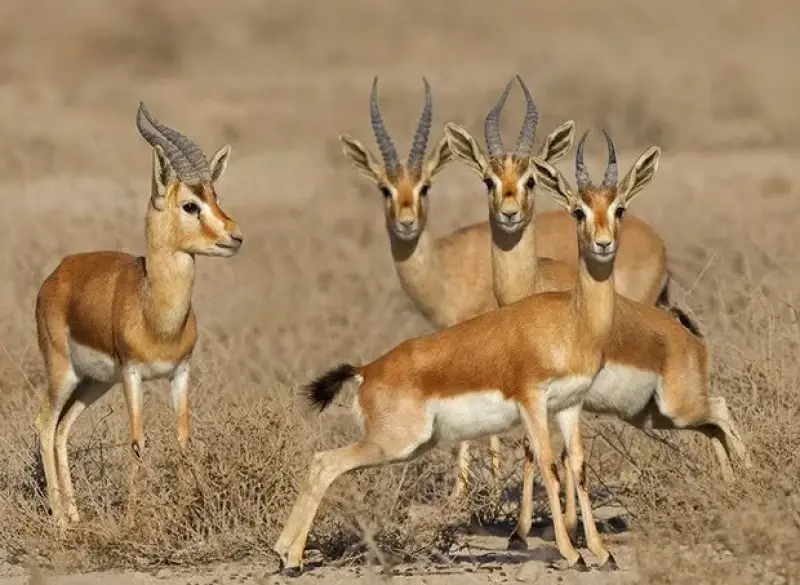
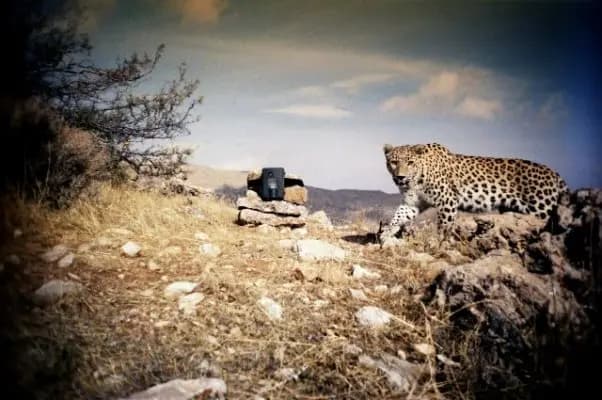
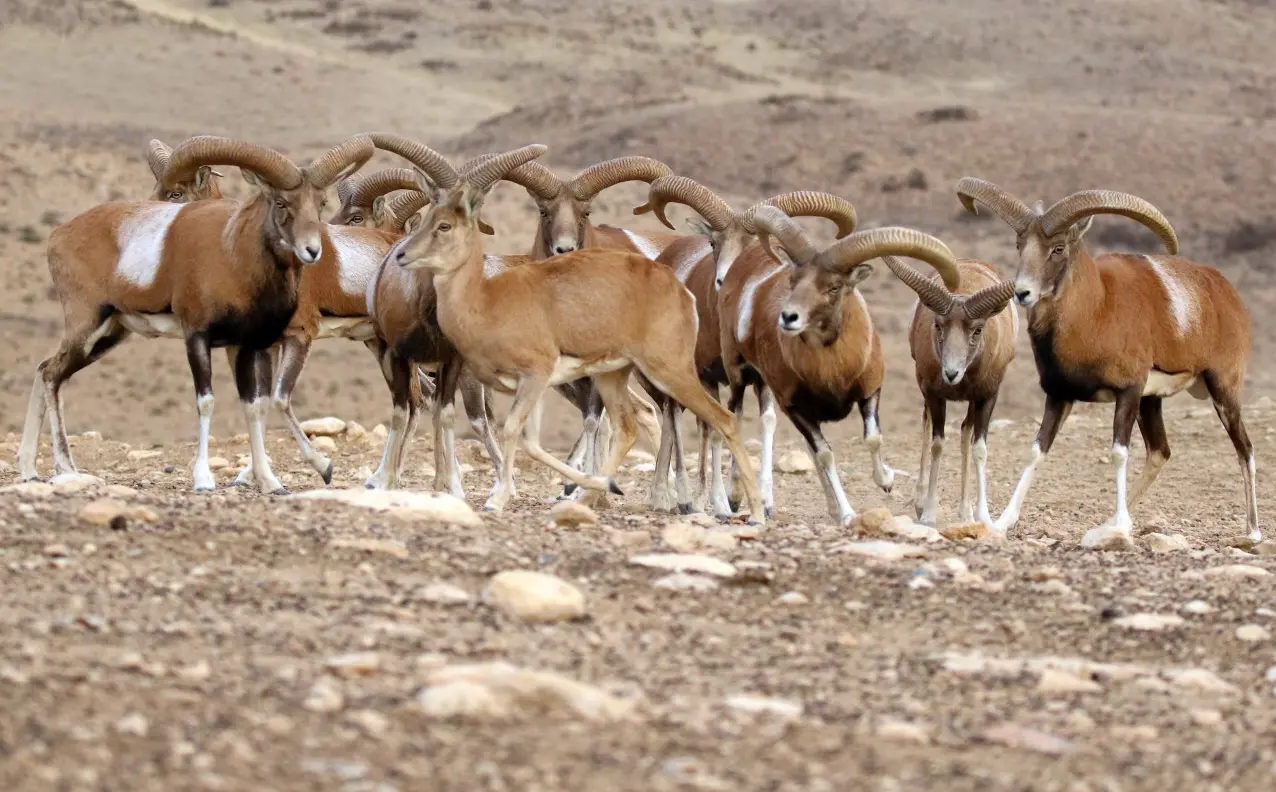
The park’s faunal diversity is exceptional, with records including 46 species of mammals. The rugged mountain areas provide refuge for several large mammals such as the agile Wild Goat (Capra aegagrus) and important populations of Mouflon (Ovis orientalis). The surrounding plains are home to the Persian Gazelle (Gazella subgutturosa), a critical and threatened component of the park’s prey base. Though extremely rare, the confirmed presence of the elusive Persian Leopard (Panthera pardus saxicolor) in the remote mountains further confirms the health and integrity of the higher-altitude ecosystems within Bakhtegan National Park.

Avifauna: The Migratory Bird Magnet

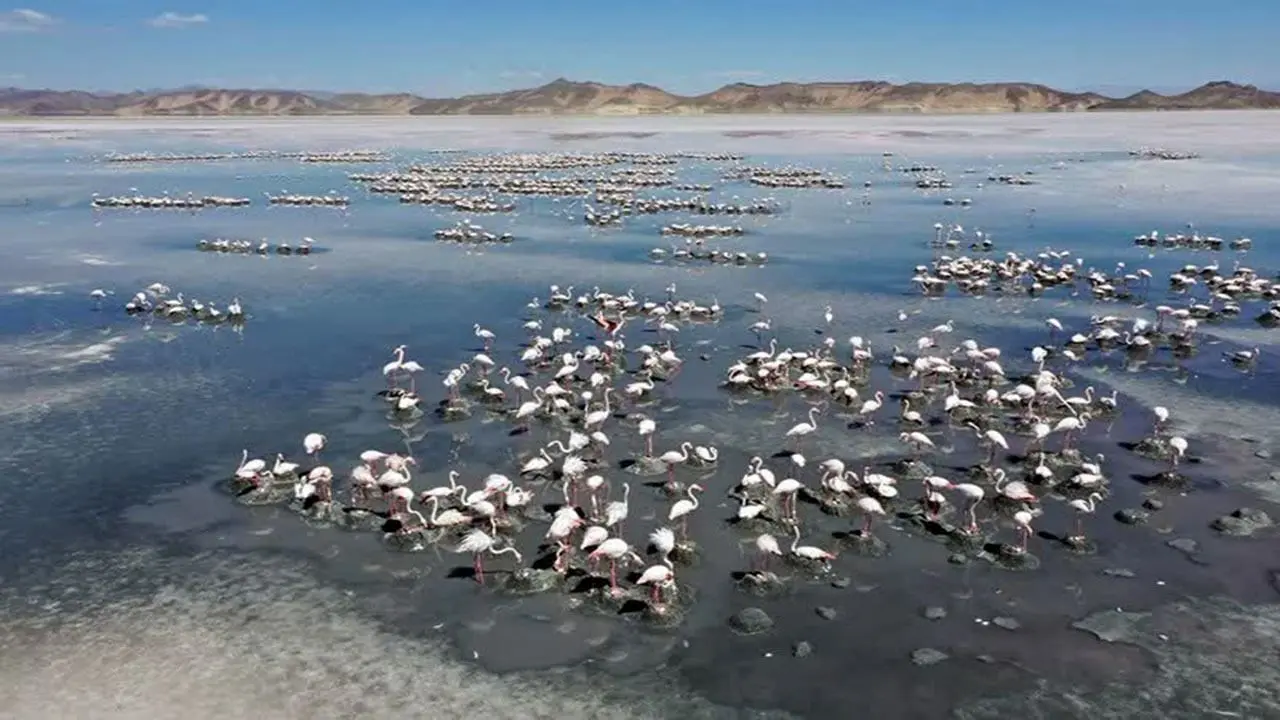
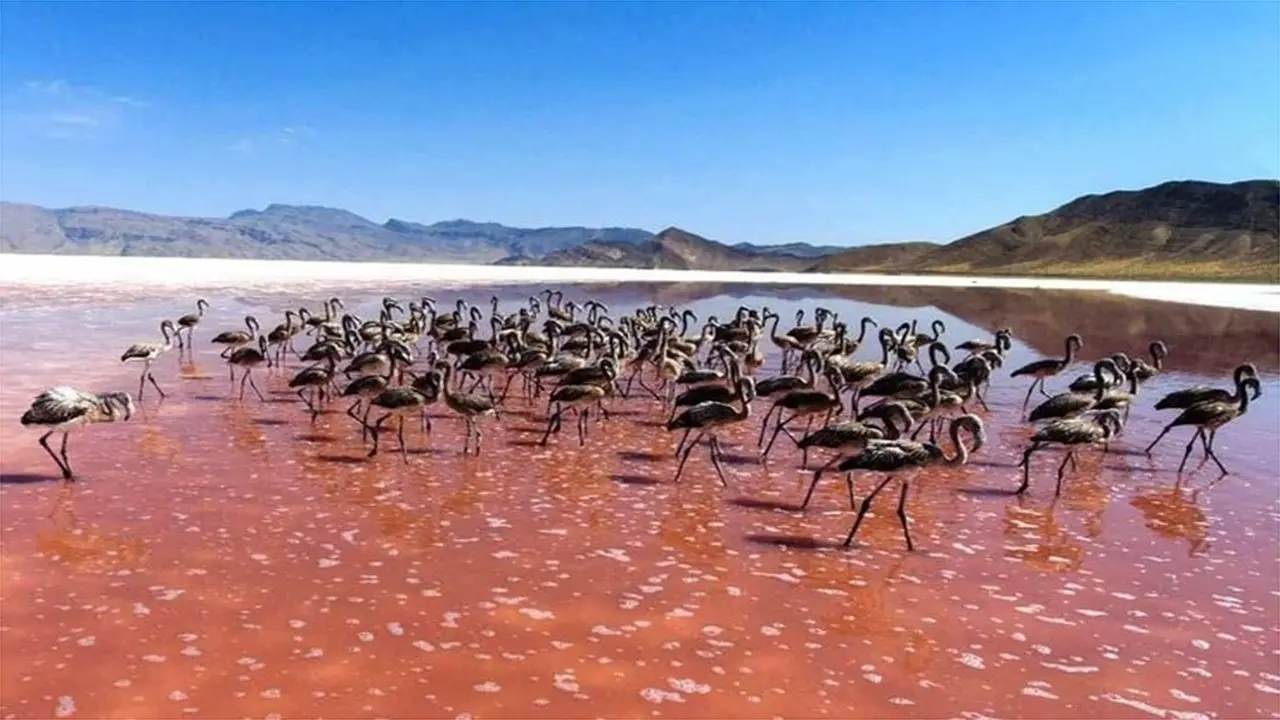
Bakhtegan National Park's status as an internationally important bird area (IBA) is primarily based on its historical role as a magnet for migratory birds, with 218 species recorded. Key species include Flamingo (Phoenicopterus roseus), once seen in flocks of tens of thousands, and the Great White Pelican (Pelecanus onocrotalus), whose nesting grounds are vital on Lake Tashk’s islands. Other visitors include the Common Crane (Grus grus), Great Bustard (Otis tarda), and various shorebirds, gulls, and ducks. The fate of these bird populations is directly tied to the presence of water; the drying of the lakes has led to mass bird mortality and the shifting of migration routes, making ecological flow restoration a primary conservation goal.

Cultural Tapestry and Environmental Crossroads

The human history of the Bakhtegan National Park region is as rich as its natural heritage. For millennia, this area, with its strategic trade routes and water sources, has been a focal point for settlement and civilization. This unique combination of nature and culture offers a deeper travel experience for those seeking to understand the intricate relationship between Iranian society and its environment, particularly when exploring from nearby Shiraz or combining with a visit to ancient sites like Persepolis.

Echoes of History: Surrounding Cultural Landmarks

The cultural landscape surrounding Bakhtegan National Park offers visitors a chance to reflect on the historical dependence of human communities on the now-threatened wetland ecosystem. Historical landmarks include the Shah Abbasi Caravanserai, a well-preserved Safavid-era roadside inn vital for trade, and Ghadamgah-e Khezr Nabi, a revered pilgrimage site associated with the prophet Khidr, blending religious significance with reverence for natural water sources. The Pol Takht Cave and Jamal Cave also offer opportunities for geological exploration and potentially hold archaeological significance, linking the natural history of the rock formations to early human activity in the region.

The Unfolding Environmental Crisis

The narrative of Bakhtegan National Park has shifted from natural splendor to an urgent environmental crisis. The construction of major dams on the Kor and Sivand rivers has drastically reduced vital water inflow. Unregulated drilling of deep agricultural wells further depletes underground aquifers, reducing the output of freshwater springs. Overgrazing degrades vegetation, increasing erosion, and industrial and municipal pollution introduce heavy metals. These anthropogenic threats, coupled with climate change, have led to the complete drying out of the lakes, causing saline dust storms, severe biodiversity loss, and the degradation of essential ecological services.

Pathways to Preservation and a Sustainable Future

The future of Bakhtegan National Park hinges on political will, scientific collaboration, and a fundamental shift in regional water usage. Restoring this essential component of Iran National Parks requires legally guaranteeing and enforcing environmental water rights from the Kor River dams. Modernizing agriculture by promoting low-water-use crops and efficient irrigation techniques is paramount. Engaging local communities in conservation management, offering alternative livelihoods through sustainable ecotourism, and providing incentives for responsible resource use are crucial steps. The struggle to save Bakhtegan National Park is a microcosm of global challenges facing arid-zone wetlands, and its preservation is vital for global ecological networks and regional livelihoods.

What to Do at Bakhtegan National Park

Birdwatching at Remaining Water Sources

While the main lakes may be dry, explore the perennial springs and remaining marshes, which still serve as crucial habitats for resident bird species. These pockets of freshwater offer unique opportunities to observe local avifauna and understand their resilience.

Nature and Landscape Photography

Capture the dramatic vistas of the vast lakebed, the surrounding Zagros mountains, and the resilient desert flora. The striking contrasts and unique light offer powerful photographic opportunities, making it a highlight for <a href="/iran-tours/photography">Iran Photography Tours</a> focused on natural landscapes.

Light Hiking and Mountain Trekking

Embark on light hikes in the higher ground of the Pichkan or Sadeghabad mountains that flank the park. These trails provide panoramic views of the entire basin and an opportunity to spot mountain fauna like Wild Goat and Mouflon in their natural habitat.

Cultural Exploration of Nearby Landmarks

Combine your natural exploration with a visit to the historical and cultural attractions surrounding the park. Discover ancient caravanserais, sacred springs, and intriguing caves that tell stories of millennia of human presence in this unique region.

Your Practical Guide to Visiting Bakhtegan National Park

Best Time to Visit

Spring (Late March to May): Temperatures are mild, and the surrounding mountains are at their greenest. This is often the peak bird-watching season, if the lake has received winter inflows.Autumn (Late September to November): Pleasant temperatures return after the searing summer heat. This period is critical for observing autumnal migration patterns.Best Time of Day: Early morning is ideal for wildlife spotting and experiencing the tranquility of the park before the midday heat. It also offers the best light for photography.

Getting There

From Shiraz: The park is approximately 160 km (a 2.5-hour drive) east of Shiraz, the capital of Fars Province.From Neyriz: It is roughly 70 km from the town of Neyriz.The most common access is via the Shiraz–Neyriz highway. Roads within the park are often basic and require a sturdy vehicle, preferably a 4x4, especially if venturing off the main routes. Private car or guided tour are the most practical options.

Frequently Asked Questions

Author: Deytrips Team
Was this content helpful?

Plan Your Eco-Adventure to Bakhtegan

Embark on a journey to discover Iran's natural wonders with our expert-led tours. Let us craft an unforgettable experience that respects and supports the delicate ecosystems of places like Bakhtegan National Park.

Explore Eco-Tours