Shiraz Travel Guide: Journey to the City of Poets and Gardens
Unveil the breathtaking beauty and rich Persian culture of Shiraz, a terrestrial paradise where poetry, history, and hospitality converge. This guide is your key to an unforgettable journey.
Welcome to Shiraz: Persia's Jewel of Culture and History
Shiraz: A City For All Seasons – Climate & Geography
Geographical Splendor
Climate and Weather
Tracing the Timeless Path of Shiraz's History
Ancient Roots and Achaemenid Grandeur
Medieval Flourishing and Islamic Golden Age
The Zand Dynasty and Modern Vibrancy
Shiraz: The Beating Heart of Persian Culture and Art
Unique Local Traditions and Lively Festivals
Masterful Handicrafts and Authentic Souvenirs
Profound Influence on Persian Literature and Art
Iconic Historical Sites & Attractions
Step into the glorious past with these must-visit landmarks of Shiraz and its surroundings, each whispering stories of ancient empires.
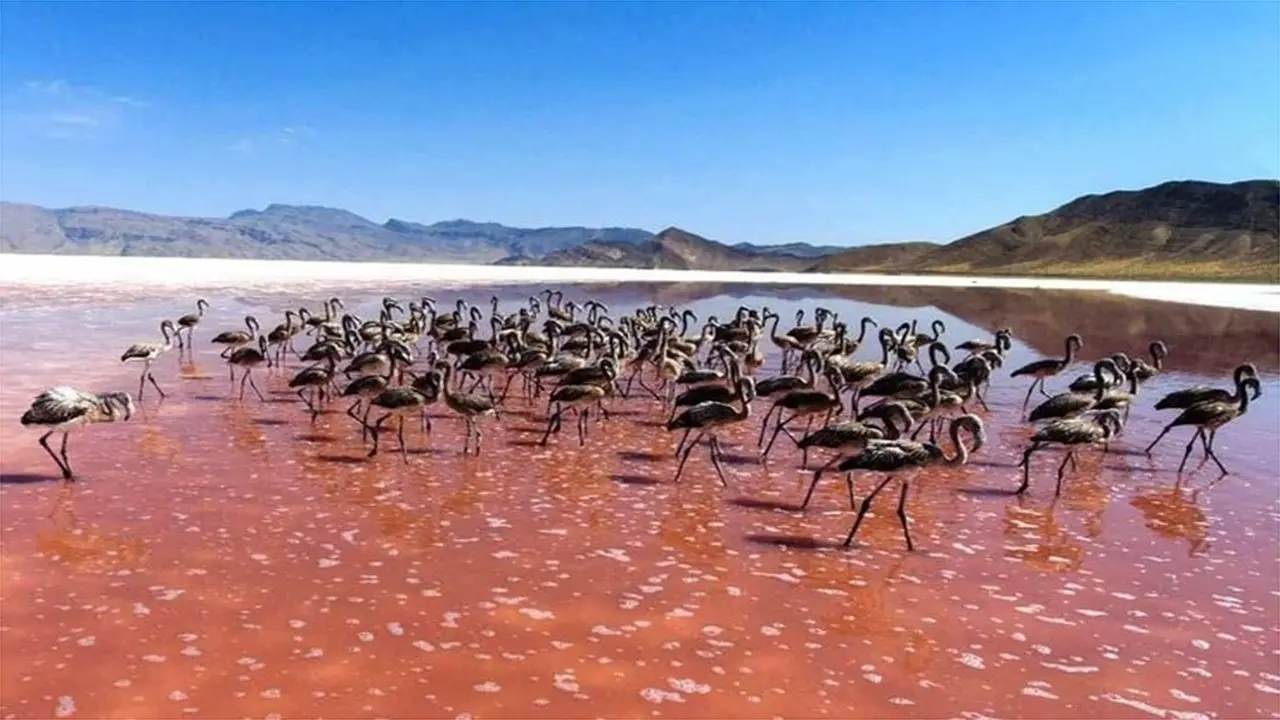
Bakhtegan National Park
Bakhtegan National Park, nestled in Iran's Fars Province, stands as one of the country's most vital yet endangered wetland ecosystems. Home to Lake Tashk and Lake Bakhtegan, this sprawling protected area is a critical haven for migratory birds and diverse wildlife, representing a vital example of Iran's diverse natural heritage and a window into its rich <a href="/iran-attractions/historical">historical</a> interaction with nature. Explore its unique geography, resilient biodiversity, and the urgent conservation efforts to preserve this ecological jewel.

Eram Garden
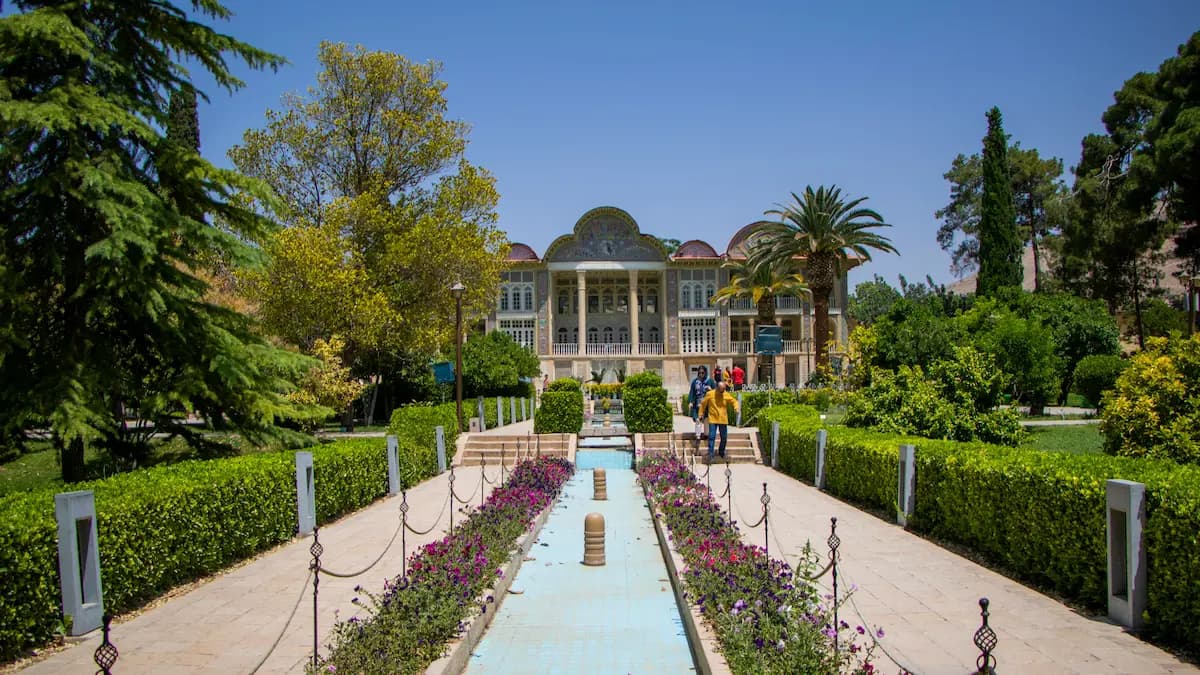
Eram Garden (Bagh-e Eram), whose name beautifully translates to “Garden of Paradise,” stands as a profound, living embodiment of the utopian Persian vision of heaven on earth. Located right in the cultural heartland of Shiraz, Iran, this sprawling historical complex masterfully blends stunning Qajar architecture with luxuriant, diverse flora, creating an unparalleled atmosphere of tranquility and splendor. As one of the most celebrated <a href="/iran-attractions/historical">Iran Attractions</a>, Eram Garden’s exceptional global value has led to its inscription as a UNESCO World Heritage Site, specifically recognized under the collective title of “The Persian Garden.”

Naqsh-e Rostam
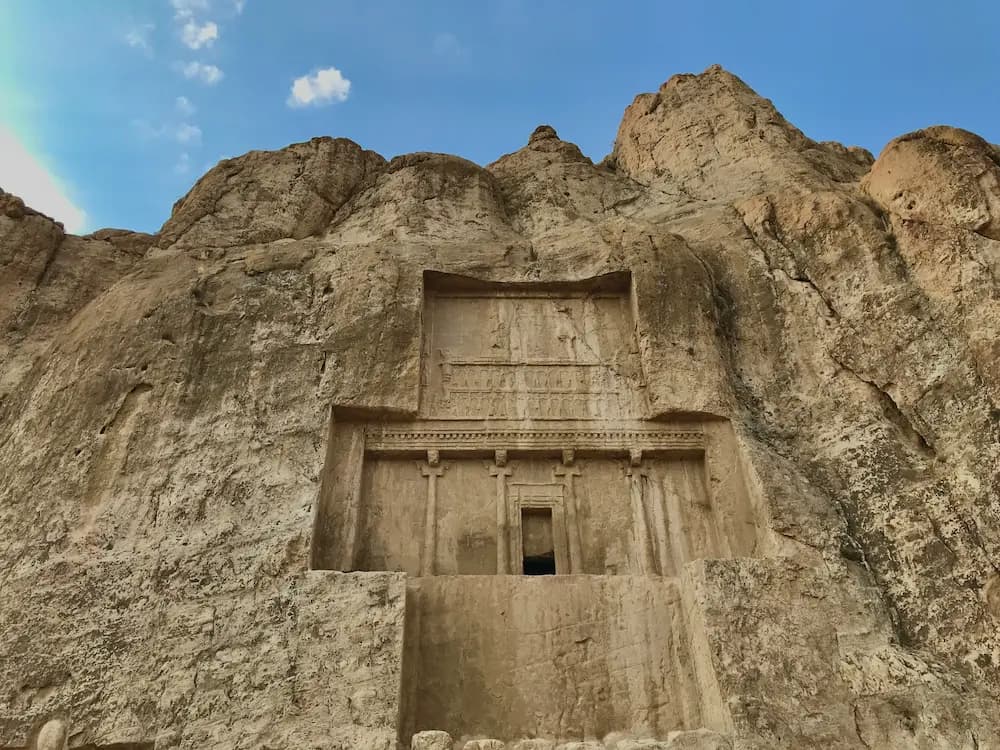
Welcome to Naqsh-e Rostam, an archaeological sanctuary that encapsulates the grandeur of ancient Iranian civilization. Located just a few kilometers northwest of Persepolis, this site is more than a mere collection of monuments; it is the dynastic necropolis of the mighty Achaemenid Empire and a towering stage for the Sassanid Empire’s most profound declarations of power. Here, towering rock cliffs serve as a historical canvas, displaying two millennia of royal authority and artistic genius. A visit to Naqsh-e Rostam is not just a detour from Persepolis—it is a mandatory pilgrimage into the heart of Persian history, offering an unparalleled view of the continuum of kingship and standing as one of the most significant historical treasures of Iran.

Nasir al-Mulk Mosque
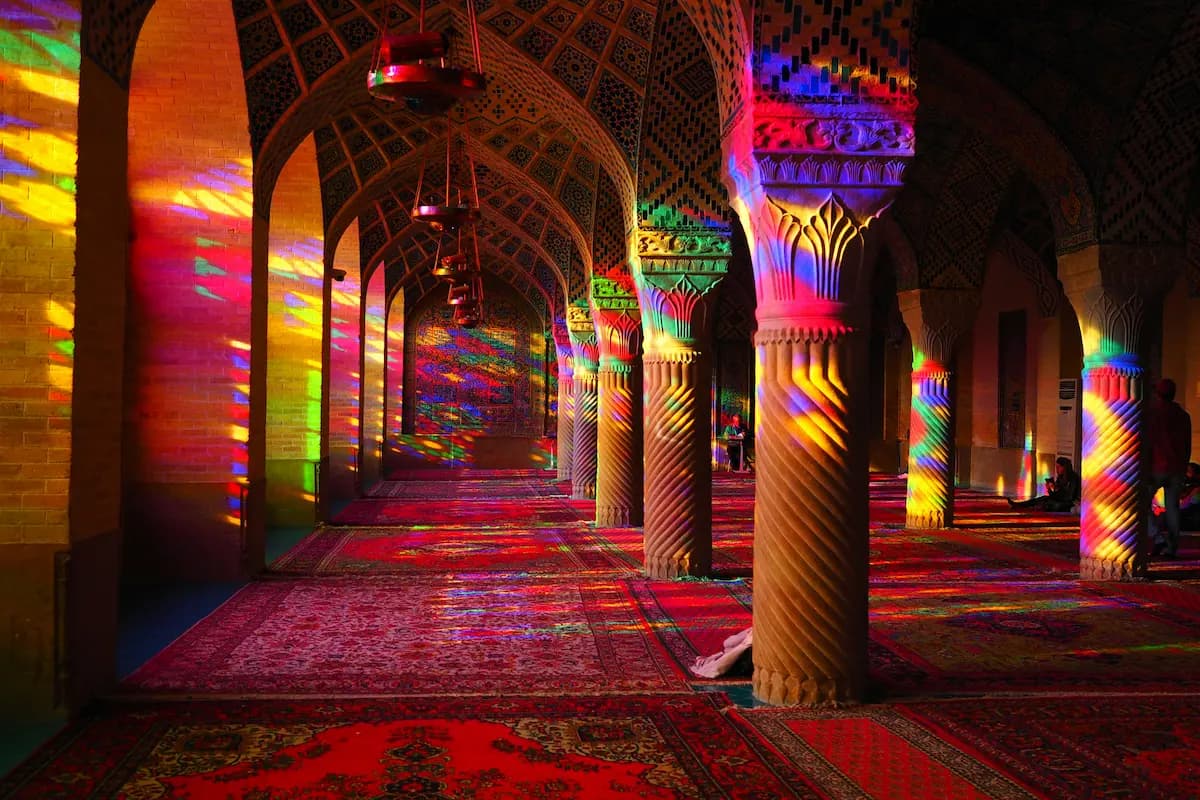
Step into the Nasir al-Mulk Mosque, and you are instantly immersed in a realm where light is engineered into art. This extraordinary monument in Shiraz is globally famous for its magnificent stained-glass windows that transform the prayer hall into a kaleidoscope of color every morning. It is not just a place of worship; it is a masterpiece of Qajar-era innovation, a testament to the sophistication of Persian architectural design, and a required stop on any journey through the <a href="/iran-attractions/historical">historical attractions of Iran</a>. For many travelers, the visual spectacle here is the pinnacle of their time in Iran.

Pasargadae: The Eternal Capital of Cyrus the Great
Welcome to Pasargadae, the majestic birthplace of the Achaemenid Empire and the enduring testament to the vision of its founder, Cyrus the Great. Located in the Fars Province of Iran, this UNESCO World Heritage site is more than a collection of ruins; it is the spiritual and historical epicenter of ancient Persia. Recognized globally as one of the most significant <a href="/iran-attractions/historical">Iran Historical Attractions</a>, Pasargadae offers an unparalleled glimpse into the philosophical foundations of the world’s first major superpower. To walk the serene, spacious grounds of Pasargadae is to step back to the very moment imperial Persian identity was conceived, a profound experience unmatched in the region.

Persepolis
Welcome to the heart of the ancient world. Persepolis, known to the Persians as Takht-e Jamshid (“The Throne of Jamshid”), is not merely a ruin; it is a declaration of imperial ambition, a sanctuary of art, and the enduring symbol of the Achaemenid Empire. Founded by Darius the Great in 518 BCE, this immense ceremonial capital stands as the most magnificent of all <a href="/iran-attractions/historical">historical attractions in Iran</a>, inviting visitors to walk the very steps where kings once received tribute from every corner of their vast empire. To stand before its colossal gates is to connect directly with the golden age of ancient Persia, a moment frozen in time.
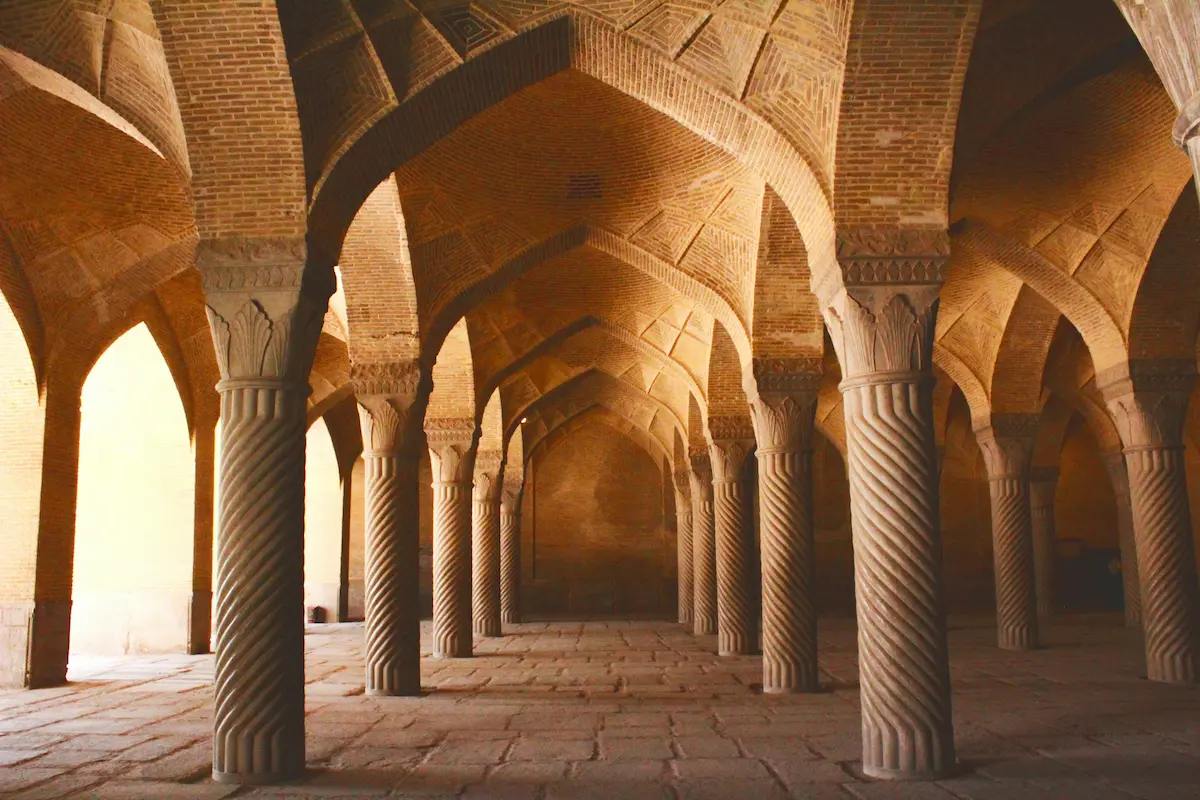
Vakil Complex
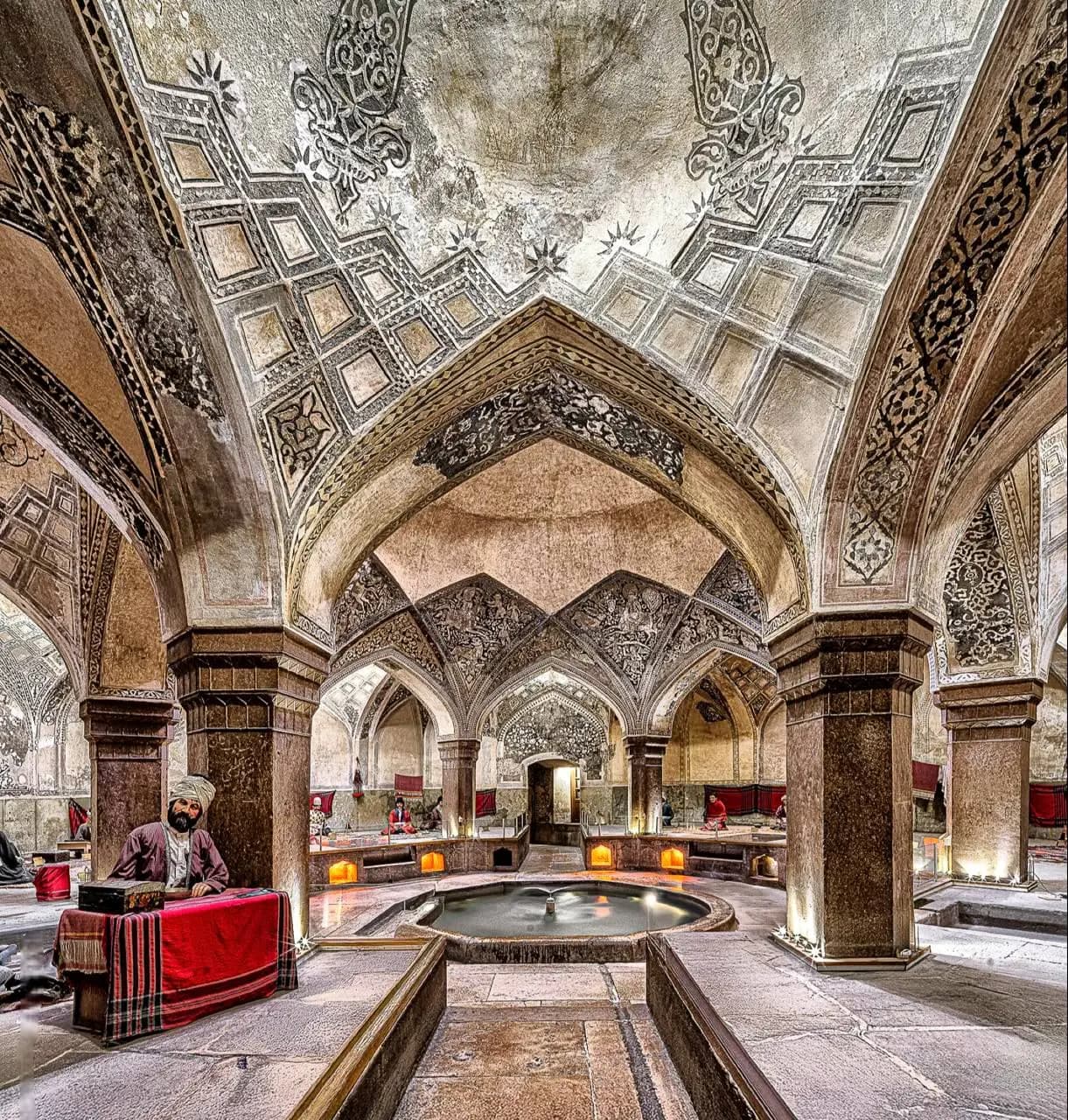
Welcome to the <a href="/iran-attractions/historical">Vakil Complex</a>, the architectural masterpiece that defines the soul of Shiraz. Conceived and constructed in the 18th century by Karim Khan Zand, the founder of the Zand dynasty, this monumental complex is more than just a historical site—it is a unified urban core that seamlessly integrates commerce, faith, and daily social life. Walking through the Vakil Complex is to step directly into the golden age of the Zand era, experiencing a profound continuity of Persian urban planning and architectural elegance.
Curated Shiraz Day Tours
Discover the best of Shiraz and its ancient wonders with our expertly designed excursions, blending history with breathtaking landscapes.
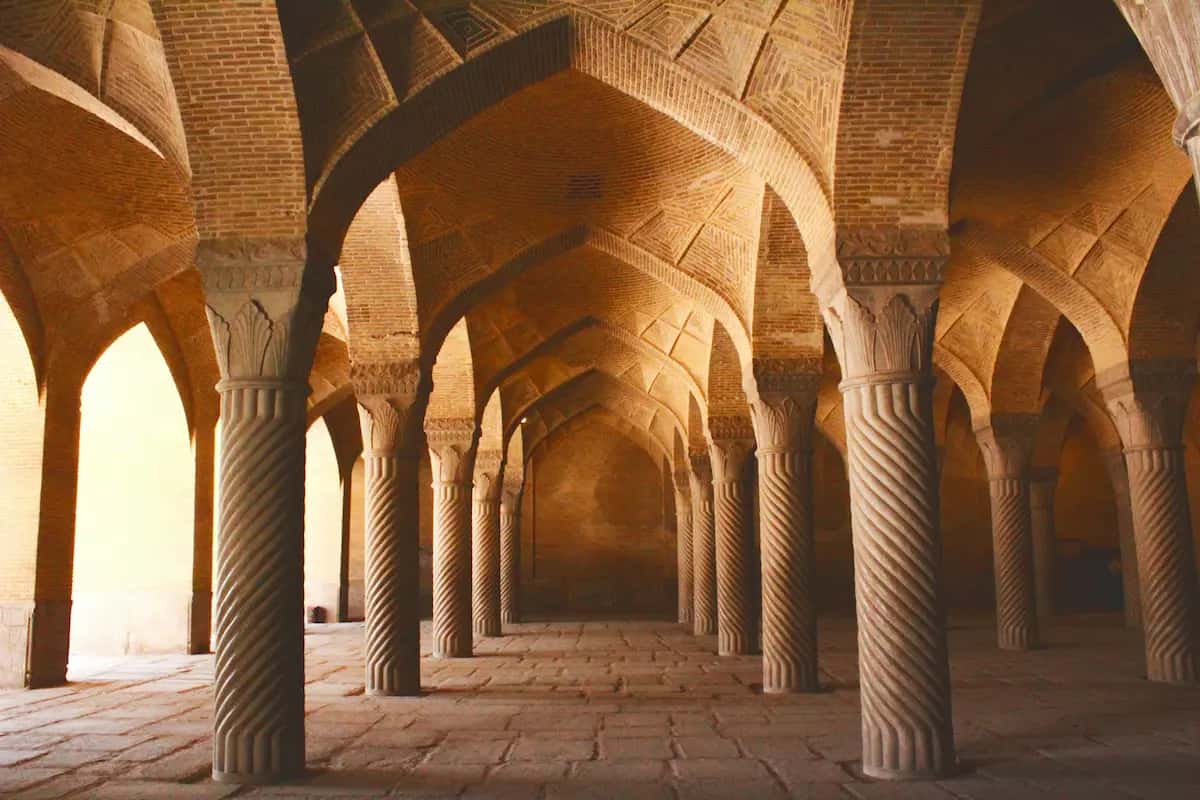
Shiraz: Echoes of Ancient Persia & Persian Gardens
Expert Local Guides
Enhance your journey with knowledgeable local guides from Deytrips for an authentic and insightful exploration of Shiraz.
Things to Do in Shiraz
Experience the city like a local, venturing beyond the famous landmarks to uncover Shiraz's unique charm.
Explore Persepolis and Pasargad
Step back in time at these UNESCO World Heritage sites, marveling at ancient Achaemenid ruins and the peaceful Tomb of Cyrus the Great.
Visit Nasir al-Mulk Mosque (Pink Mosque)
Capture the mesmerizing interplay of light and color through the stained glass in this iconic mosque, best visited between 9–11 AM for the full spectacle.
Stroll Through Eram Garden
Wander through this UNESCO-listed Persian garden, where ancient cypress trees and fragrant orange blossoms create a serene and picturesque escape.
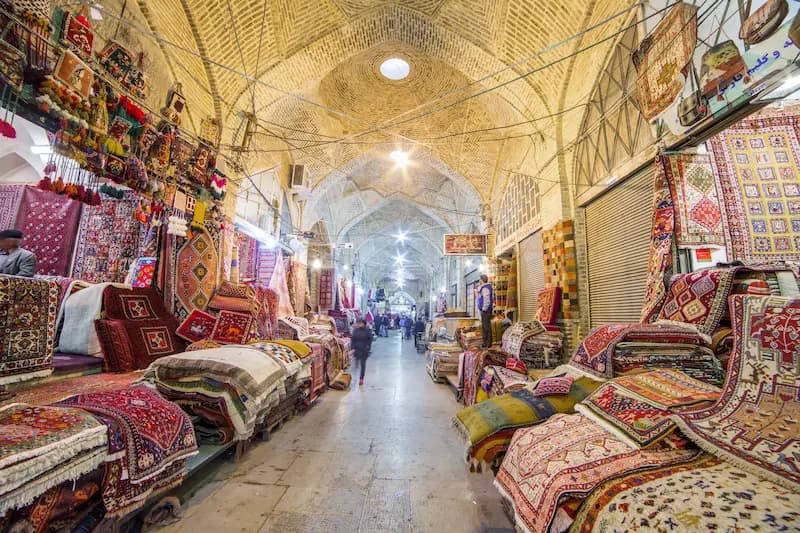
Experience Vakil Bazaar
Immerse yourself in the vibrant atmosphere of this historic market, shopping for exquisite carpets, aromatic spices, and intricate handicrafts.
Shiraz Cuisine: A Taste of Persia
Savor the delightful flavors of Shiraz with these traditional dishes, refreshing desserts, and authentic culinary experiences.
Kalam Polo Shirazi
A traditional cabbage rice dish, often featuring minced meat, fresh herbs, and spices, showcasing Shiraz’s love for sweet and savory combinations.
Faloodeh Shirazi
A refreshing and iconic dessert of thin rice noodles served in a semi-frozen sweet rosewater syrup, a must-try especially from local stalls.
Masqati & Ranginak
Masqati is a delicate starch-based sweet that pairs perfectly with Persian tea, while Ranginak is a date-based pastry, both popular local treats.
Plan Your Perfect Trip to Shiraz
Essential tips for a smooth, enjoyable, and enriching journey through the captivating city of Shiraz.
Best Time to Visit Shiraz
Getting Around Shiraz
Related Destinations
.webp&w=3840&q=75)
Frequently Asked Questions About Shiraz
Your essential guide to common queries for planning and enjoying your visit to this magnificent Persian city.
Ready to Discover the Enchantment of Shiraz?
Let Deytrips craft your unforgettable journey to the heart of Persian culture, poetry, and ancient wonders. Explore our curated tours and personalized experiences.
Plan Your Shiraz Adventure