Carpet Museum of Tehran

Tehran
Carpet Museum of Tehran
The Soul of Persian Art: An Introduction to the Carpet Museum of Tehran
Architectural Marvel: A Loom in the Heart of Tehran
The Iconic Loom Facade and Interior Design

Carpet Museum of Tehran

Embark on a vibrant journey through centuries of artistry at the Carpet Museum of Tehran, a true testament to Iran's rich cultural heritage. This remarkable institution beautifully showcases the intricate beauty and profound historical significance of Persian carpets, which are not merely floor coverings but living embodiments of Iranian civilization and historical narratives. It is an indispensable stop for anyone seeking to understand the soul of Iranian craftsmanship and art.

The Soul of Persian Art: An Introduction to the Carpet Museum of Tehran

The Soul of Persian Art: An Introduction to the Carpet Museum of Tehran

The carpet, or 'Farsh', is a profound art form that transcends mere decoration in Iranian culture. It represents a sophisticated blend of artistry and meticulous craftsmanship, whose enduring beauty has captivated the world for millennia. The Iranian carpet stands as one of the most genuine and valuable remnants of the artistic genius of the Iranian people, making a visit to the Carpet Museum of Tehran an essential experience for any discerning traveler. This dedicated institution preserves and presents this invaluable heritage, showcasing pieces that speak volumes about Iran’s storied past.

A Tapestry of History and Culture: The Ancient Origins

The global fascination with Iranian carpets dates back centuries, with significant collections compiled in Europe from the 16th to 19th centuries. However, the true antiquity of Persian weaving is best exemplified by the Pazirik Carpet. Discovered in 1949 AD during excavations in Central Asia, this small, incredibly delicate carpet dates back to the fifth century BC. With an astonishing 250 knots per square inch, the Pazirik Carpet is the oldest known knotted carpet in the world, serving as a powerful testament to the ancient Persian mastery of this craft. While the original resides elsewhere, its legacy is deeply felt and honored within the Carpet Museum of Tehran.

The Museum's Genesis and Mission

In recognition of the carpet's paramount cultural importance, various museums have been established across Iran to maintain and showcase this authenticity. The Carpet Museum of Iran, uniquely, is the country’s only dedicated museum exclusively displaying carpets and rugs. Officially opened in 1987 AD, its primary mission is to preserve and present some of the most valuable and historically significant examples of carpet weaving, offering visitors a comprehensive journey through the evolution of this extraordinary art form.

Architectural Marvel: A Loom in the Heart of Tehran

Architectural Marvel: A Loom in the Heart of Tehran

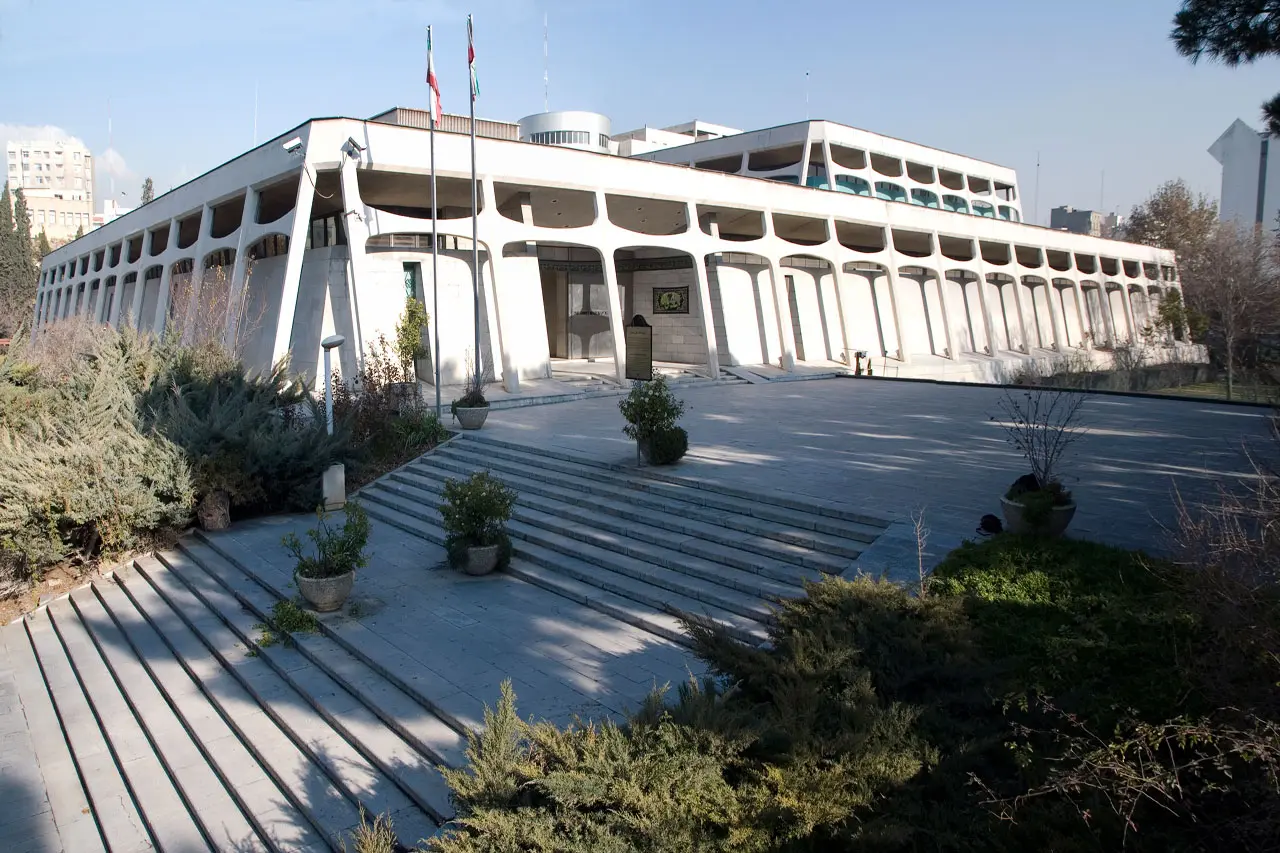
Beyond its invaluable collection, the Carpet Museum of Tehran is an architectural masterpiece in its own right. Designed by the renowned Iranian architect Abdol-Aziz Farmanfarmaian and inaugurated by Queen Farah Pahlavi in 1978, the building itself is a celebration of traditional Persian design reimagined with modernist functionality. Situated at the northwest corner of Laleh Park, its striking façade instantly communicates the museum's purpose, drawing visitors into its artistic embrace.

The Iconic Loom Facade and Interior Design

The Iconic Loom Facade and Interior Design
The most distinctive feature of the museum's design is its exterior facade, which is perforated with columns and geometric patterns that intentionally mimic a vertical carpet loom. These large perforations are not merely aesthetic; they play a crucial role in allowing natural light to filter into the main exhibition halls in a controlled manner. This ingenious design enhances the visual experience of the carpets while simultaneously protecting them from harmful direct sunlight. The blend of traditional Iranian arches, geometric Islamic patterns, and a modernist structure makes the building a significant piece of modern Iranian architecture, serving as a prelude to the intricate art housed within.

Navigating the Exhibition Halls

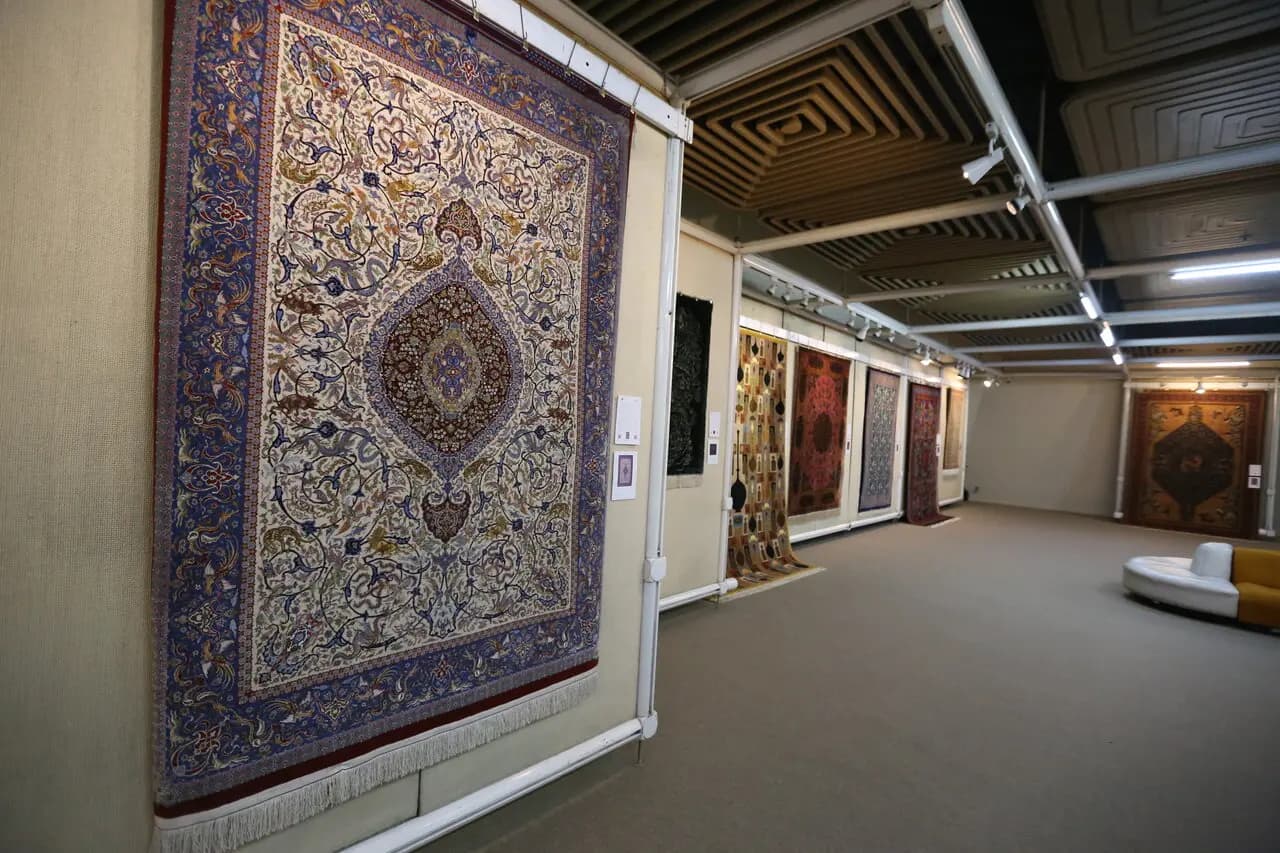
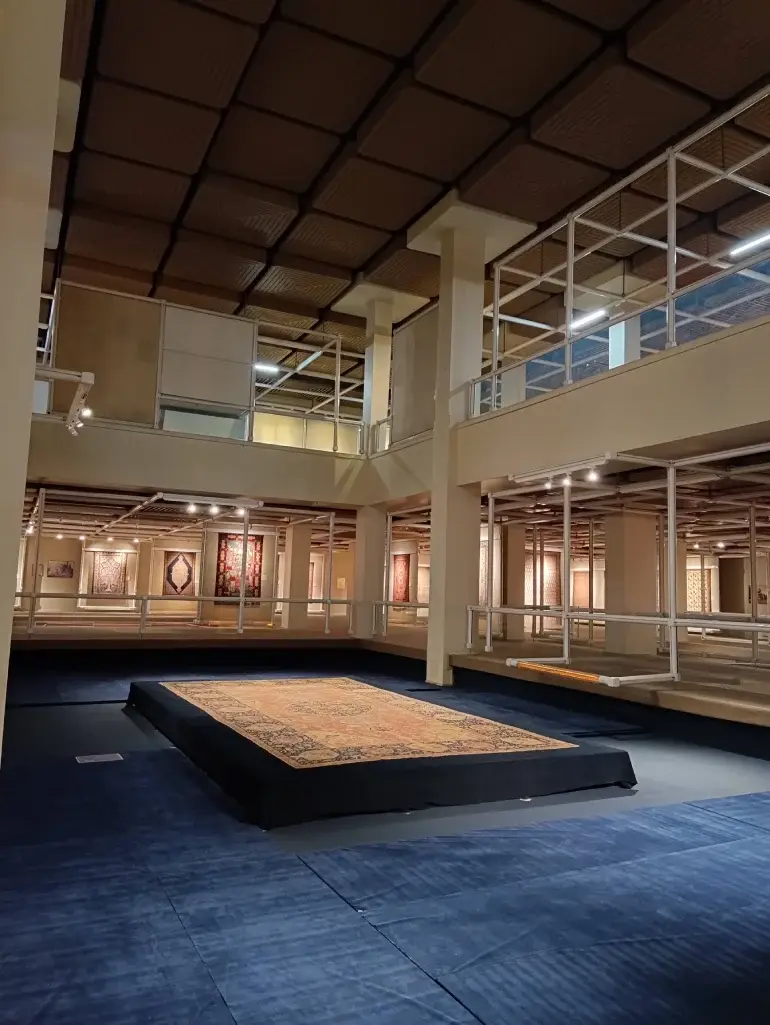
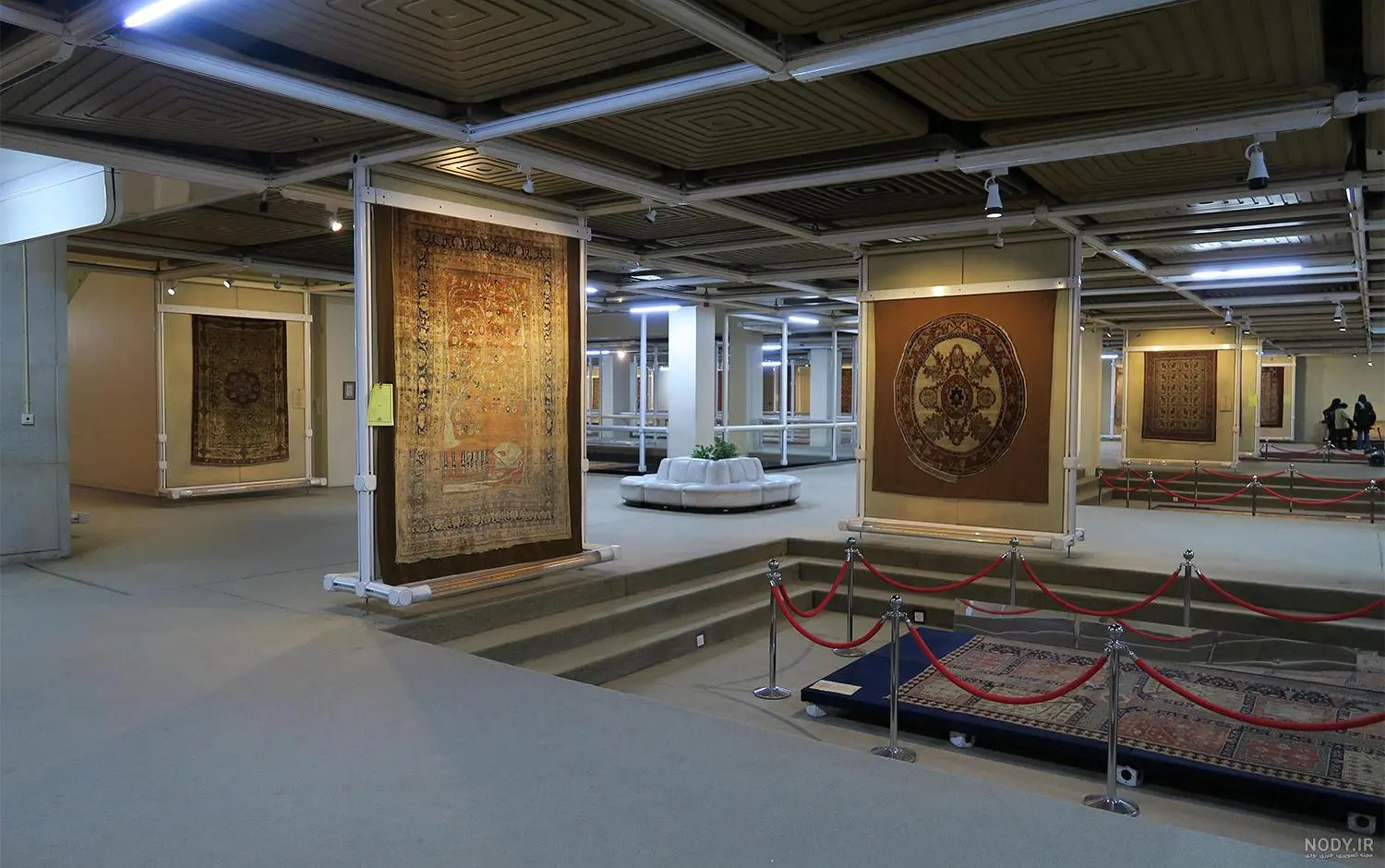
The exhibit area of the Carpet Museum of Iran spans approximately 3,400 square meters, intelligently divided into two distinct halls. The ground floor hall is dedicated to the museum’s permanent exhibitions, offering a chronological and thematic journey through Iran’s rich weaving history. In contrast, the upper hall is designed to host temporary rug and carpet exhibitions, ensuring that there is always something fresh and new for repeat visitors. This dynamic approach keeps the museum vibrant and engaging, highlighting different aspects and periods of carpet making.

Priceless Collections: Masterpieces of Iranian Weaving

Priceless Collections: Masterpieces of Iranian Weaving

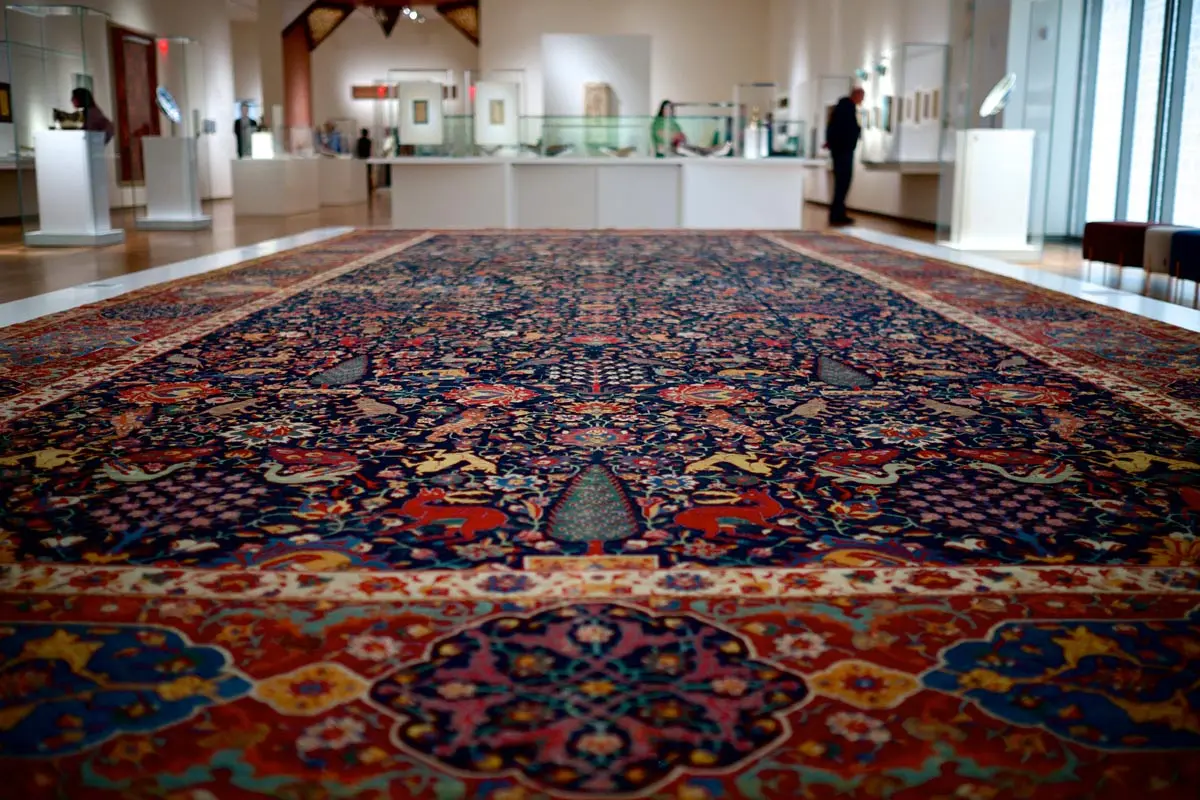
The showrooms of the Carpet Museum of Tehran house a truly breathtaking variety of handmade carpets and rugs, carefully preserved and displayed. These treasures are classified not just by their age, but also by the unique characteristics of Iranian carpet making, including regional variations in coloring, design, and texture. The collection showcases invaluable examples of Iranian carpets ranging from the 14th century to the contemporary era, offering a profound insight into the enduring legacy of this intricate art form. A cultural tour of Iran would be incomplete without witnessing these masterpieces.

Regional Diversity and Artistic Evolution

The ground floor hall typically displays about 135 masterpieces, each representing the significant centers of Iranian carpet weaving. These include renowned cities such as Kashan, Kerman, Tabriz, Isfahan, Kurdistan, and Khorasan. By classifying carpets according to these major weaving areas rather than strictly by age, the museum provides visitors with a deeper geographical and stylistic understanding of the art. Most of the carpets in the permanent collection of the Carpet Museum of Iran primarily belong to the 18th and 19th centuries, offering a glimpse into a flourishing period of carpet production.

Iconic Carpets and Their Stories

Among the museum's many treasures are several priceless pieces that every visitor should seek out. These highlights vividly illustrate the incredible range and skill of Iranian weavers:
  • The Earliest Inscribed Carpet: An 18th-century silk carpet with 80 rows, bearing a unique inscription detailing its creation by Haji Aqa in 1211 AH.
  • The Oldest Knotted Carpet in Iran: A rare 15th-century piece with 60 rows, believed to have been woven in Tabriz.
  • Mel’liat (Nationality) Carpet: Woven in Kerman in the early 19th century, featuring a tree of life, fruits, animals, and motifs representing various nationalities, symbolizing unity.
  • Darvazeh Behesht Carpet (Gate-of-Paradise Carpet): An 18th-century masterpiece from Isfahan with 75 rows, also known as Mehrabi Durnama, depicting a majestic gateway to paradise.
  • Bahram Gaur Hunting Carpet: A detailed 18th-century Kashan weave depicting the legendary hunting scene of Bahram Gaur.
Each carpet tells a unique story, reflecting the historical, cultural, and artistic nuances of its time and place of origin.

Beyond the Threads: Educational Resources and Workshops

The Carpet Museum of Tehran extends its role beyond mere exhibition, serving as a vital educational and research hub for the art of carpet weaving. It offers valuable insights into the intricate process of carpet making, from raw materials to the meticulous finishing touches. This comprehensive approach makes the museum not just a repository of art, but a living testament to an enduring craft, setting it apart from other cultural institutions like the National Museum of Iran.

The Art of Creation: Materials and Tools

Visitors can explore samples of natural materials essential to carpet weaving, including fine wool, luxurious silk, and a fascinating array of natural vegetable and mineral dyes. These dyes, derived from sources like reseda, grape leaves, walnut skin, and cochineal, highlight the sustainable and traditional methods employed by master weavers. Alongside these materials, the museum displays various tools used in carpet and rug workmanship from different regions of Iran, such as scissors, hooks, combs, and knives. An impressive example of a Tabriz loom, complete with an artist demonstrating the weaving process, provides a tangible link between the raw materials and the magnificent finished art form.

Enriching Your Visit: Library, Theater, and More

The Carpet Museum of Tehran offers several additional comprehensive sections designed to enrich the visitor experience:
  • The Library: A specialized resource boasting 3,500 volumes in multiple languages (Persian, Arabic, French, English, and German), dedicated entirely to the art and history of carpet weaving. It's a treasure trove for scholars and enthusiasts alike.
  • A Theater: Utilized for educational purposes, presentations, and showcasing documentaries related to Persian carpets.
  • A Carpet-Weaving and Repairing Workshop: Here, visitors can witness the living tradition of the craft firsthand, observing the meticulous work required for both new creations and the restoration of antique pieces.
  • A Magazine Sales Department and a Chaharkhaneh: The latter is a traditional coffee shop and rest area, offering a tranquil spot to reflect on the beauty seen within the museum.

What to Do at the Carpet Museum of Tehran

Marvel at the Pazirik Reproduction

Seek out the exquisite modern reproduction of the ancient Pazirik Carpet. While the original is not here, this piece from the late 19th century beautifully captures the design of the world's oldest carpet, offering a glimpse into millennia of weaving history.

Explore Regional Weaving Styles

Dedicate time to understanding the geographical classification of carpets. Observe the distinct coloring, design, and texture variations from major weaving centers like Kashan, Kerman, Tabriz, and Isfahan, appreciating the unique artistic signatures of each region.

Witness Live Weaving Demonstrations

Visit the carpet-weaving and repairing workshop. Seeing a weaver at work on a traditional loom provides invaluable insight into the meticulous skill and dedication required to create these masterpieces.

Delve into the Specialized Library

For those with a deeper interest, explore the museum's specialized library. With thousands of volumes on carpet art and history in various languages, it's a unique resource for research and further learning.

Your Practical Guide to Visiting the Carpet Museum of Tehran

Best Time to Visit

The best time to visit the Carpet Museum of Tehran is during the cooler months of autumn and spring (October to May) to enjoy Tehran's pleasant weather. To avoid crowds, aim for early morning hours (9:00 AM) on weekdays (Tuesday to Thursday). The museum itself is temperature-controlled, making it a comfortable visit year-round. Allocate at least 2 to 3 hours to fully appreciate the permanent collection and any temporary exhibitions.

Getting There

The Carpet Museum of Tehran is conveniently located in the city center, at the northwest corner of Laleh Park, on the intersection of Dr. Fatemi and Kargar Streets. By Metro: The easiest way to reach the museum is via the Tehran Metro. Take Line 4 (yellow line) to Enghelab Square Station. From there, it's a pleasant 15-20 minute walk north through the bustling streets towards Laleh Park. By Taxi/Snapp: Any local taxi or ride-sharing service (like Snapp, Iran's equivalent of Uber) can take you directly to the museum. Simply search for 'Carpet Museum of Iran' or 'Museum-e Farsh'.

Entrance Fee

For foreign tourists, the estimated entrance fee for the Carpet Museum of Tehran is approximately $5.00 USD. Prices are subject to change, so it's advisable to check upon arrival. Payment is typically made in Iranian Rials.

Visiting Hours

The Carpet Museum of Tehran is generally open every day of the week, with the exception of public holidays and Mondays. Specific timings vary seasonally: Spring and Summer (roughly March 21st to September 22nd): 9:00 AM to 7:00 PM Autumn and Winter (roughly September 23rd to March 20th): 9:00 AM to 5:00 PM Always confirm current hours before your visit, especially around national holidays.

Frequently Asked Questions

Author: Deytrips Team
Was this content helpful?

Discover Iran's Artistic Heart

Ready to weave your own travel story? Our expert-led tours can guide you through Iran's most captivating cultural sites.

Plan Your Persian Adventure