Isfahan: Half the World's Masterpiece

Isfahan: Half the World's Masterpiece

Discover the breathtaking beauty and rich history of Iran's cultural capital, a city of unparalleled art and architecture.
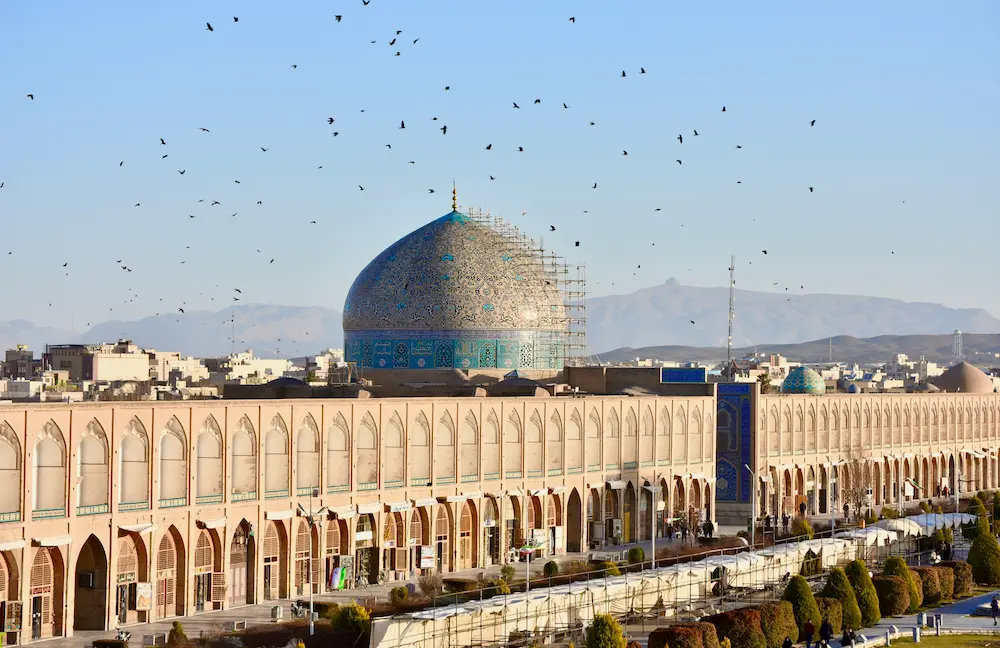
Isfahan: Nesf-e Jahan (Half the World)
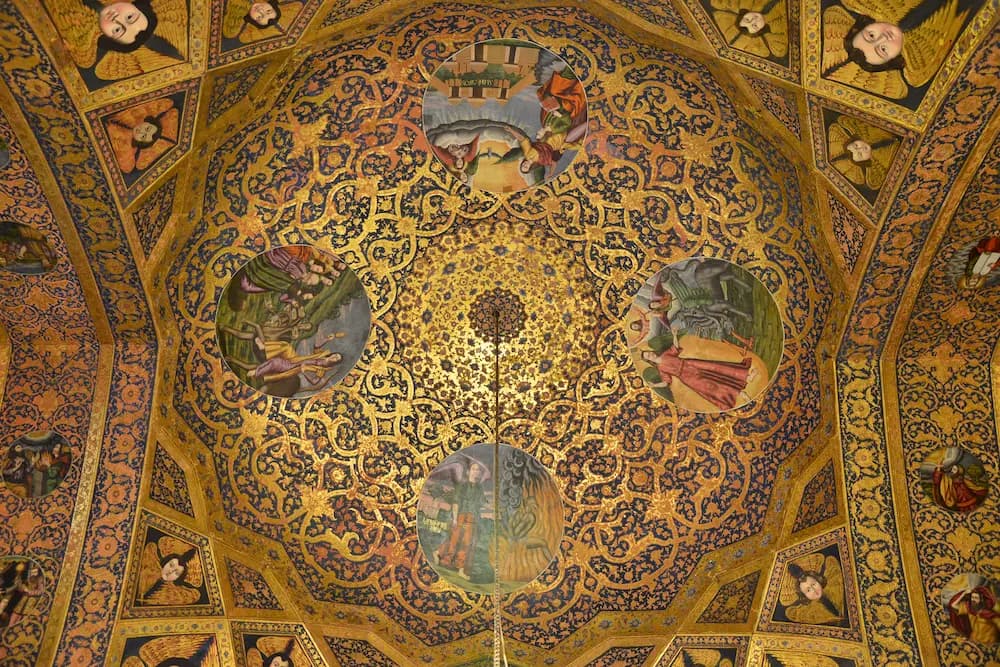
Isfahan: Nesf-e Jahan (Half the World)

Isfahan is not merely a city; it is a declaration of artistic faith and the apex of Islamic art and civilization. An ancient Persian proverb declares: 'Isfahan, Nesf-e Jahan' (Isfahan is half the world). This legendary title is not an exaggeration but a testament to the city’s staggering collection of masterpieces. With an estimated 6,000 historical monuments dating from pre-Islamic to Islamic eras, each piece of Isfahan architecture stands complete in its beauty and craft. The city’s global significance is recognized by UNESCO, which has designated three major historical sites within its borders as World Heritage Sites. With such a rich tapestry of color, motif, and history, Isfahan rightfully holds the title of Iran’s cultural capital.
Why Visit Isfahan?

Why Visit Isfahan?

To visit Isfahan is to walk through a living museum, making it an irresistible destination for any serious traveler. Few cities globally can boast three UNESCO World Heritage Sites within such close proximity: Naqsh-e Jahan Square, Chehel Sotoun Palace, and Isfahan’s Jameh Mosque. The city's residents live amidst history. It feels as if the people are residing within a monumental museum. The enduring culture, the famous warm hospitality, and the distinct local accent offer a unique and memorable cultural experience.

Architectural Zenith

Isfahan is the high point of Iranian-Islamic architecture. The city showcases diverse styles of domes, tiling, stucco work, murals, and calligraphy spanning over a thousand years. These artistic elements not only display the religious devotion of their creators but also transport the viewer into a world rich with light, grace, and historical emotion.

The Safavid Dream

The city reached its glorious zenith under Shah Abbas I of the Safavid Dynasty. His vow to turn his capital into a haven of artistic excellence led him to gather the most skilled artisans, whose breath-taking, unparalleled masterpieces embody deep spiritual belief.
History of Isfahan

History of Isfahan

The multitude of names ascribed to Isfahan throughout history reflects the countless political and cultural shifts the city has undergone. While the Safavid era marks its peak, Isfahan played a crucial role long before it became a royal capital. Following the advent of Islam in Persia, the name Espahan transitioned into the Arabicized form, Isfahan, which is used today. During the early Islamic centuries, Isfahan was a vibrant cultural and intellectual hub. It saw periods of prominence under various dynasties, including the Buyids and the Seljuks.

Ancient and Early Civilizations

The history of the Isfahan region stretches back to prehistory, evidenced by the ancient Sialk Hill, considered one of the oldest centers of human settlement on the Iranian Plateau. The city was known by ancient appellations such as Anzan, Gabian, Gabieh, Gabi, and Gaba. The name's etymology is most commonly traced back to the Sasanian period, known as Espahan (Espadana or Aspedan), meaning 'the gathering place of the army'.

The Safavid Golden Age (16th–18th Centuries)

The zenith of Isfahan’s history came when Shah Abbas I (reign 1588–1629) of the Safavid dynasty relocated the capital from Qazvin to Isfahan. Shah Abbas had a singular vision: to create the most spectacular city in the world. He commissioned architectural marvels built around the newly expanded Naqsh-e Jahan Square. The Safavid era transformed Isfahan into an international center of trade, diplomacy, and art, cementing its reputation as 'Half the World'.

Architecture of Isfahan

The architectural relics of Isfahan represent a comprehensive collection of Iranian design over a millennium, showcasing profound religious belief fused with exceptional artistic skill. The Zayandehrud River is spanned by several historical Safavid bridges that are masterpieces of civil engineering and public space design, such as Si-o-se Pol and Khaju Bridge.

The Icon: Naqsh-e Jahan Square (Maidan-e Imam)

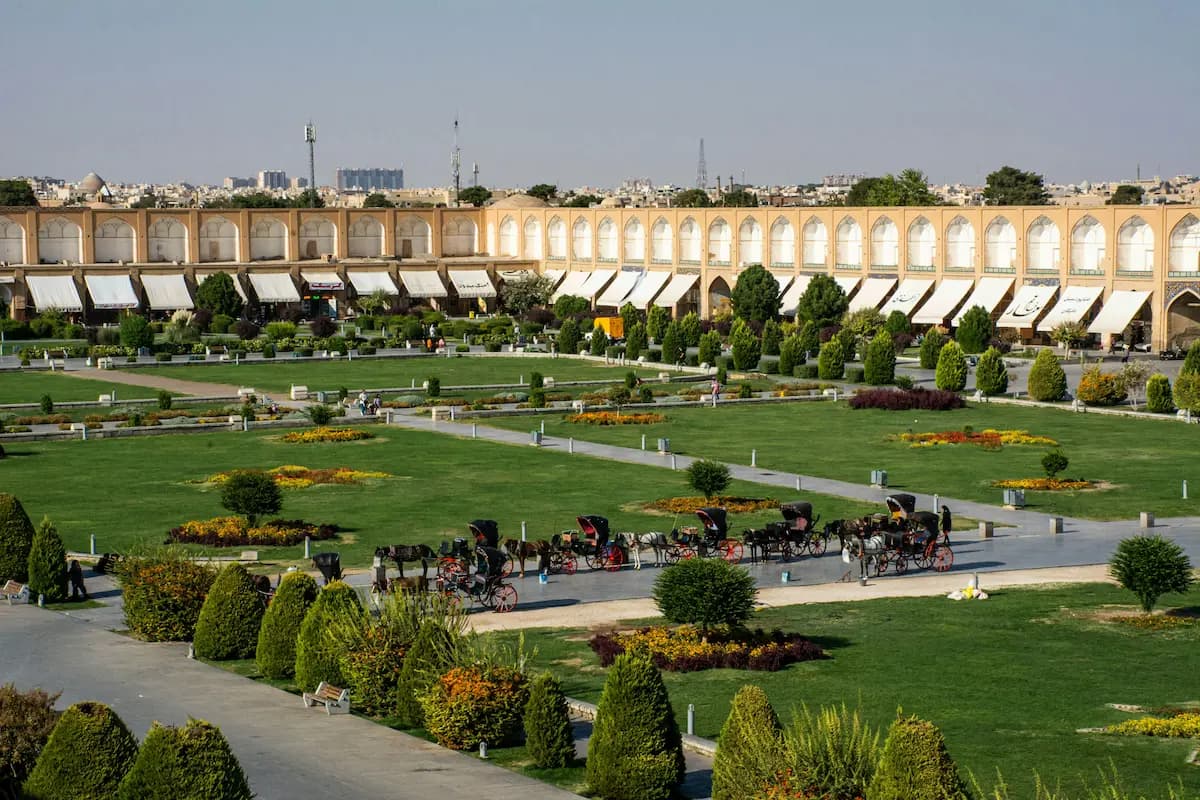
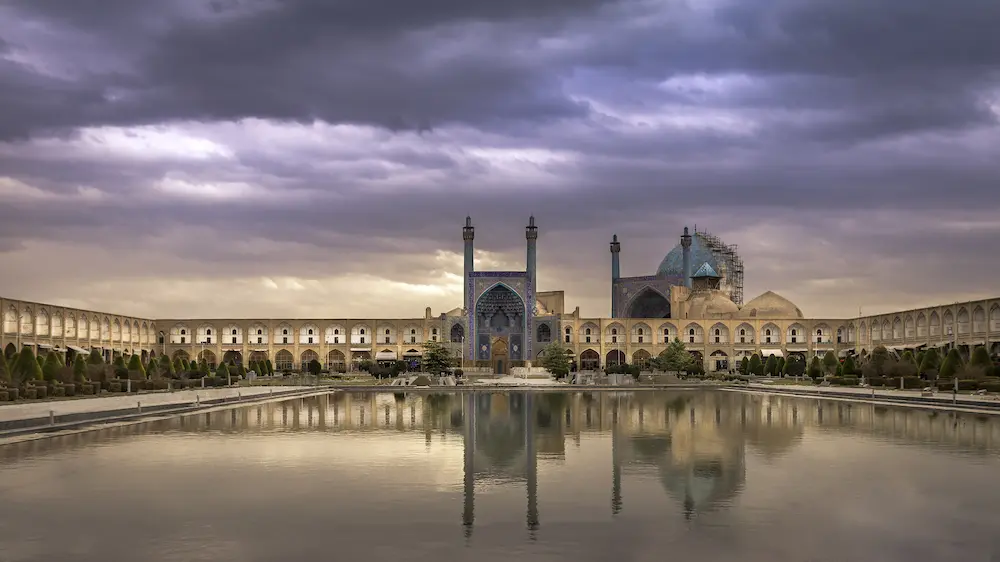
The heart of Isfahan is Naqsh-e Jahan Square, the second-largest public square in the world and a UNESCO World Heritage Site. Four monumental structures frame the square, making it a singular display of architecture: the Ali Qapu Palace (royal residence), the Shah Mosque (Imam Mosque) (public worship), the Sheikh Lotfollah Mosque (private royal worship), and the Qeysarie Gate leading into the Grand Bazaar (commerce).

Religious Monuments

The Imam Mosque (Shah Mosque) is a seminal achievement of Iranian Islamic architecture, renowned for its delicate artistry and acoustic marvels. The Sheikh Lotfollah Mosque, unique for its lack of minarets and cream/tan-colored dome, was built for the royal family. The Jameh Mosque of Isfahan (Atiq Mosque), another UNESCO site, serves as an architectural encyclopedia, showcasing the evolution of Iranian mosque design from the 8th to the 20th centuries.

Iconic Attractions in Isfahan

Explore Isfahan's UNESCO World Heritage Sites and natural wonders.
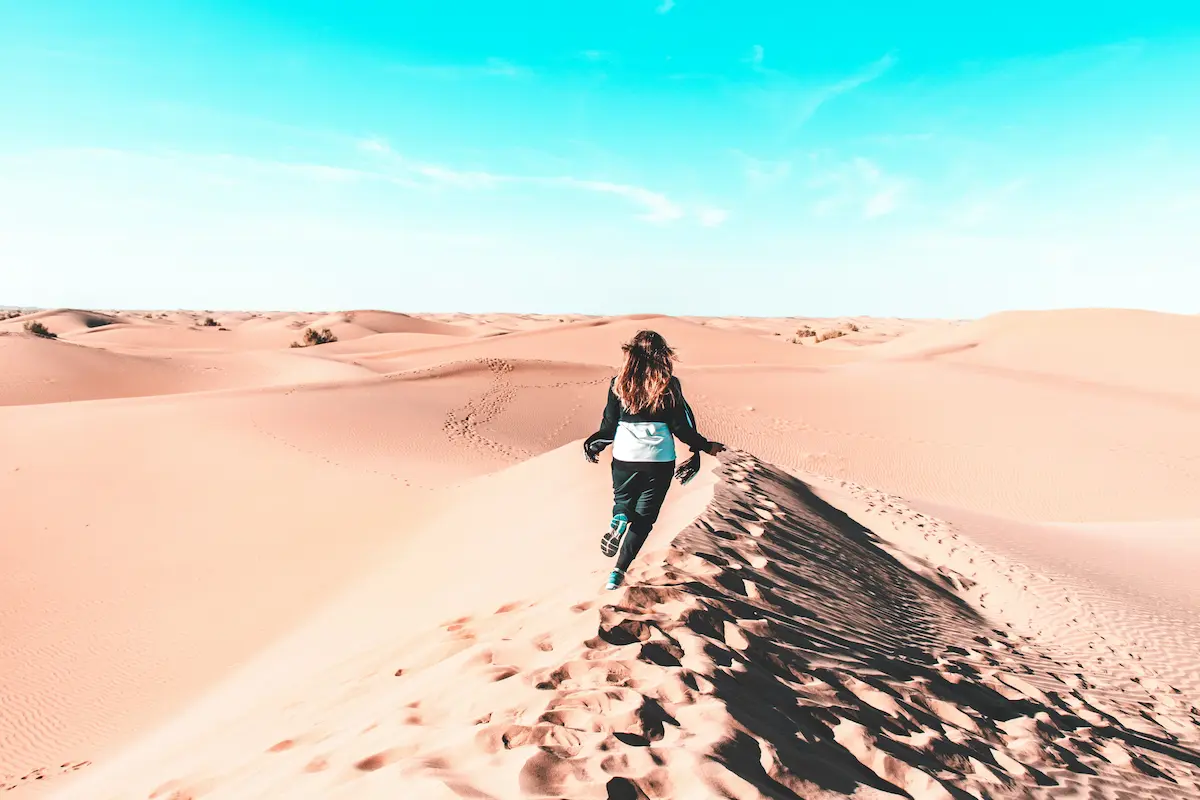
Curated Isfahan Tours

Discover the city with expert local guides and tailored itineraries.

Your Expert Isfahan Guides

Unlock deeper insights with our knowledgeable local guides.

Things to Do in Isfahan: Beyond the Monuments

Immerse yourself in Isfahan's vibrant culture and unforgettable experiences.

Wander Naqsh-e Jahan Square

Wander Naqsh-e Jahan Square

Spend an entire day exploring the four masterpieces surrounding the UNESCO square and sipping tea at a rooftop café overlooking the magnificent dome of the Sheikh Lotfollah Mosque.
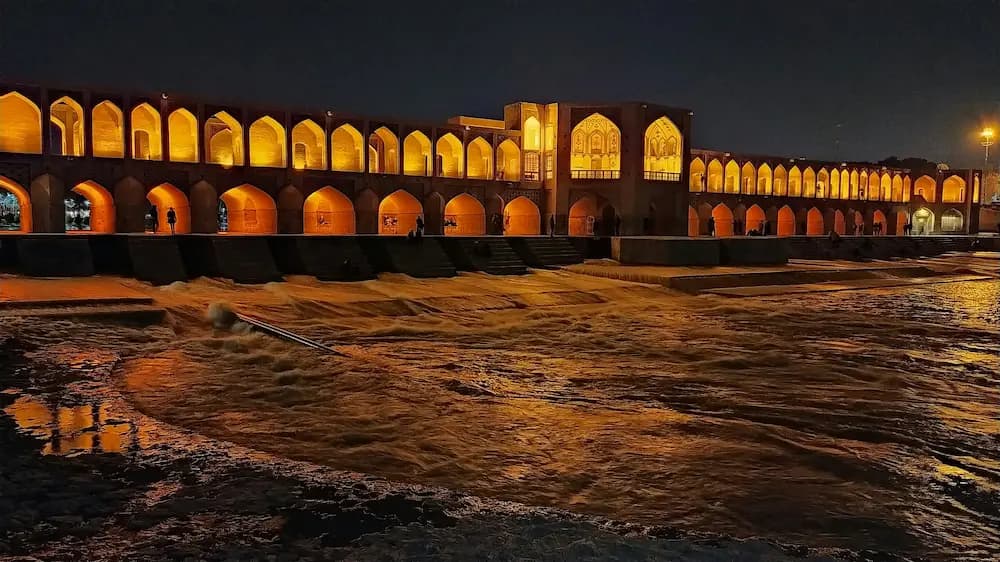
Walk the Historical Bridges at Sunset

Walk the Historical Bridges at Sunset

Stroll along the Si-o-se Pol and Khaju Bridge as the sun sets, when the stones glow and the atmosphere is at its most romantic.

Get Lost in the Grand Bazaar

Enter through the Qeysarie Gate and haggle for traditional handicrafts like Mina-Kari (enamel work) and Khatam-Kari (inlay work).

Taste Biryani

No visit to Isfahan is complete without sampling the city’s most famous traditional dish, Biryani, at a specialized Beryani restaurant.

Isfahan's Culinary Delights

Savor the unique flavors of Isfahan's traditional dishes and sweets.

Biryani

The most famous Isfahani dish. This is minced lamb or beef, cooked over an open fire in a special pan, served on a piece of bread (usually sangak), and topped with cinnamon and nuts.

Khoresht-e Mast (Yogurt Stew)

A sweet, saffron-infused dessert-like stew made from lamb or beef, yogurt, and sometimes shredded chicken. It is served cold.

Haleem Bademjan

A savory thick dish made from meat, mashed eggplant, and lentils, often topped with kashk (whey) and served with bread.

Planning Your Trip to Isfahan

Essential tips for a seamless and memorable visit.

Best Time to Visit Isfahan

Due to its arid climate, timing your visit to Isfahan is crucial for comfort and experience. The best times are during Spring (March-May) and Autumn (September-November). Spring offers delightfully mild weather and vibrant surroundings, though Nowruz (late March/early April) is very crowded. Autumn provides excellent weather with crisp air and fewer crowds. Summers (June-August) are hot and dry, while winters (December-February) are cold but offer cheaper travel and fewer tourists.

Getting Around Isfahan

Public and private transport in Isfahan is efficient, making attractions easily accessible. The historic center is highly walkable, allowing you to soak in the atmosphere. Taxi-hailing apps (like Snapp or Tapsi) are widely used, reliable, and inexpensive. Isfahan also has an organized bus and metro network, which is very affordable, though navigating it might require some familiarity with Farsi. Booking a tour with a professional operator like DeyTrips eliminates all internal transport worries.

Frequently Asked Questions About Isfahan

Your questions answered for a smooth journey.

Ready to Discover Half the World?

Let DeyTrips craft your unforgettable journey through the artistic marvels and rich history of Isfahan.

Plan Your Isfahan Adventure