Maranjab Desert

Kashan
Maranhab Desert
Discovering the Allure of the Maranjab Desert
A Gateway to Ancient Routes
Unparalleled Natural Beauty

Maranjab Desert

For travelers seeking the quintessential desert experience without venturing into the extreme remoteness of the Lut Desert, the Maranjab Desert offers a captivating blend of accessibility, history, and raw natural beauty. Located in the northern reaches of Isfahan province, this desert is not merely a landscape of sand and sky; it is a gateway to the ancient Silk Road, a sanctuary for unique wildlife, and a stunning stage for celestial observation. Its high, golden dunes and historical structures make the Maranjab Desert a mandatory stop on any comprehensive journey through Iran's historical attractions and natural wonders.

Discovering the Allure of the Maranjab Desert

Discovering the Allure of the Maranjab Desert

The Maranjab Desert, an accessible gem in central Iran, beckons adventurers and history enthusiasts alike. Unlike the vast, challenging scale of the Dasht-e Kavir, the beauty of the Maranjab Desert is intimate and inviting, anchored by the magnificent 17th-century caravanserai that gives the area its name. It offers a relatively gentle introduction to the Iranian wilderness, making it ideal for first-time desert travelers and families seeking both serenity and adventure. This desert is a testament to the perseverance of life in an arid environment, showcasing a unique ecosystem that includes a vast salt lake and thriving resilient flora.

A Gateway to Ancient Routes

A Gateway to Ancient Routes
The historical significance of the Maranjab Desert stems from its strategic location on ancient trade routes. It served as a vital stopover for merchants and caravans traversing the Silk Road, providing a much-needed sanctuary in the challenging desert terrain. Today, remnants of this glorious past, including the Maranjab Caravanserai, offer a tangible connection to centuries of human endeavor. This area isn't just about natural beauty; it's a living museum, making it a compelling destination for those interested in the rich tapestry of cultural tours of Iran.

Unparalleled Natural Beauty

Unparalleled Natural Beauty
The appeal of the Maranjab Desert is deeply rooted in its breathtaking landscapes. From towering, golden sand dunes that shift with the desert winds to the stark, shimmering expanse of the nearby salt lakes, the visual diversity is astounding. The remote location and minimal light pollution also transform the Maranjab Desert into an astronomer's paradise, offering unparalleled opportunities for stargazing and celestial observation. It's a place where the grandeur of nature truly takes center stage.

Geographic Splendor and Unique Landscapes

The Maranjab Desert is a geological tapestry showcasing a variety of dramatic landscapes that shift with the seasons, presenting a truly unique experience within Iran's diverse natural attractions. Located in the northern part of Isfahan Province, near the city of Aran va Bidgol, it forms part of the sprawling Dasht-e Kavir, yet maintains its distinct charm.

The Majestic Maranjab Dunes

The Majestic Maranjab Dunes
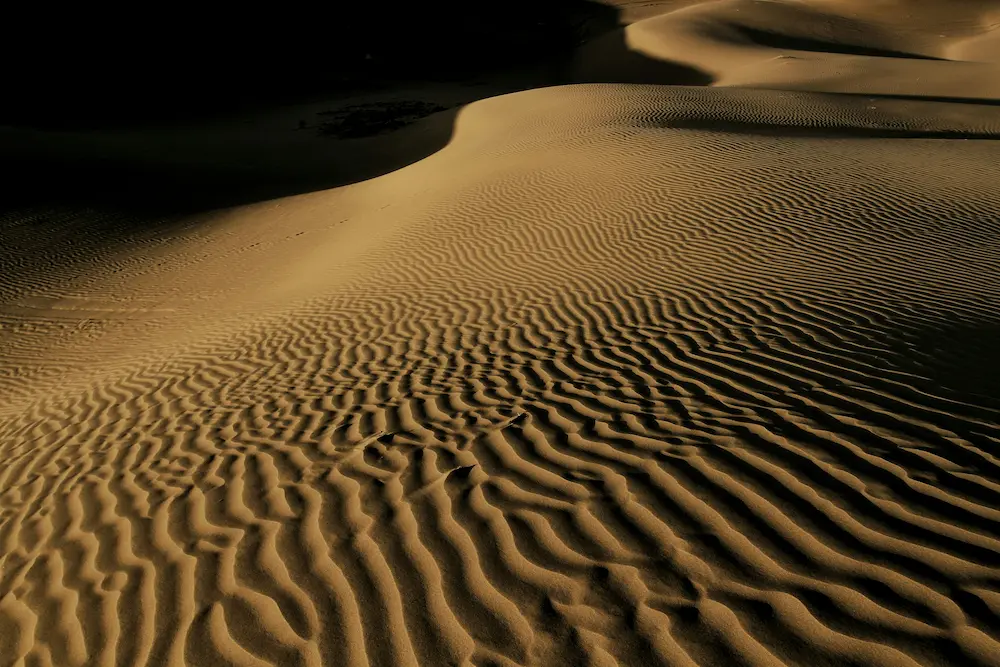
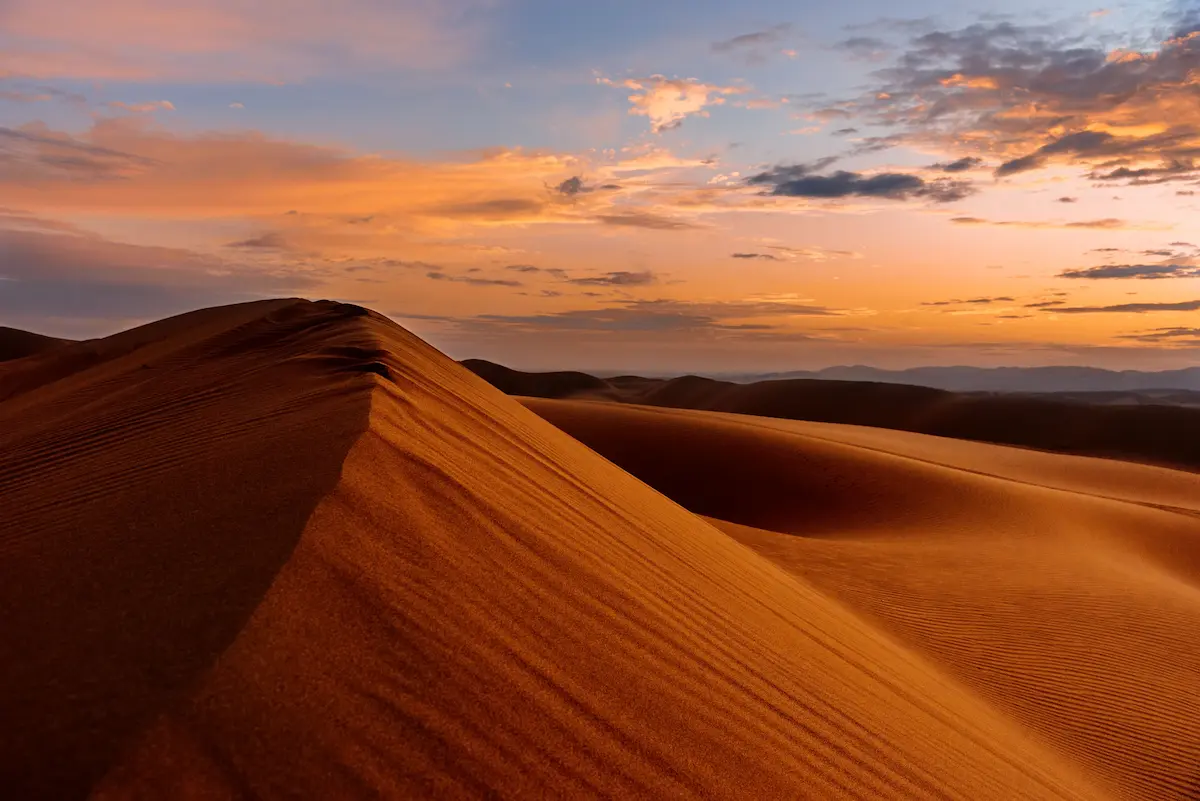
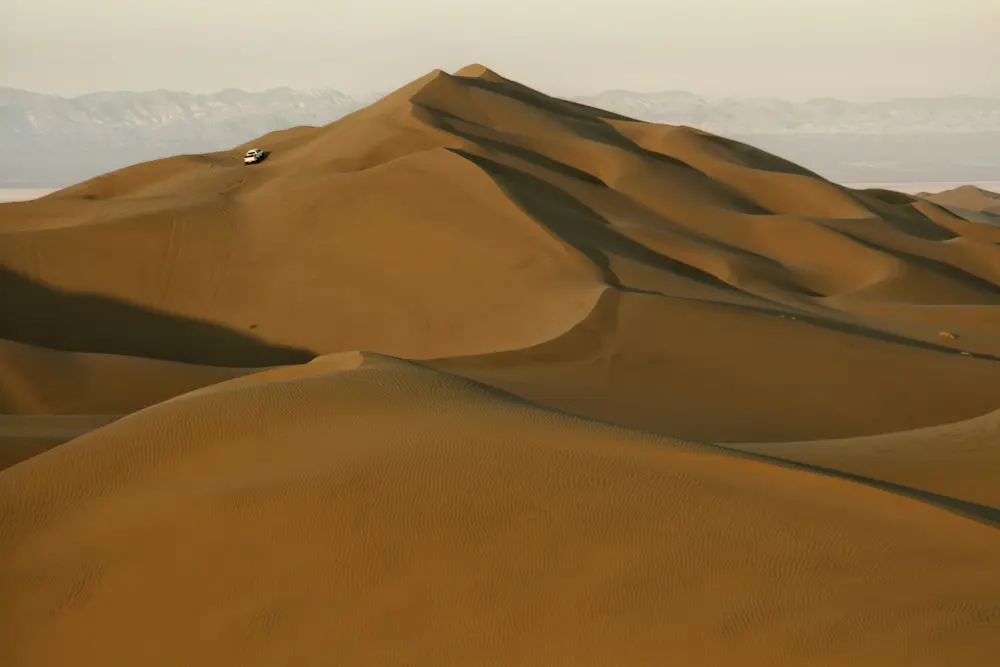
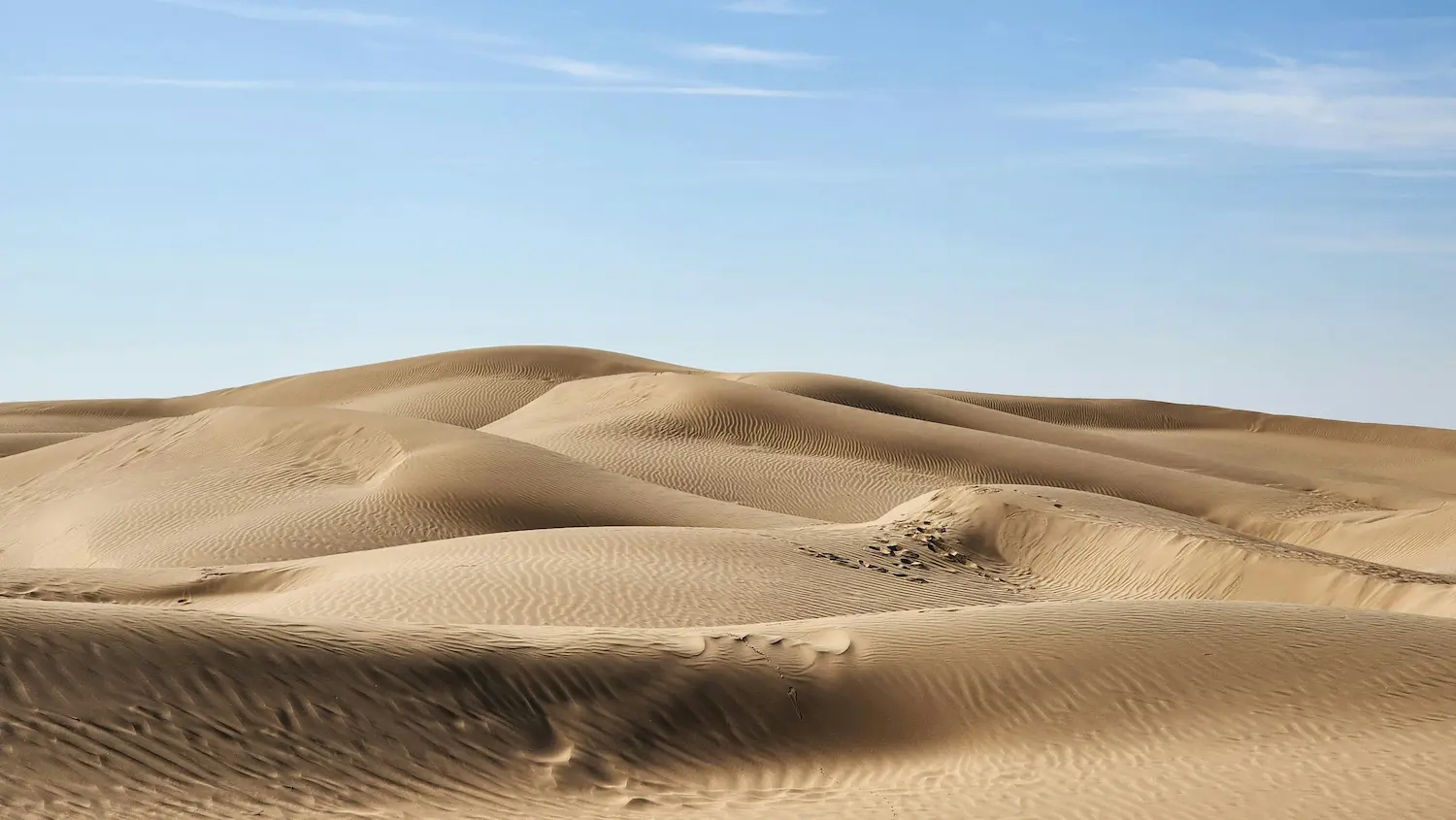
The signature attraction of the Maranjab Desert is its tall, sinuous sand dunes. These dunes, formed by wind-blown sediment, are perfect for climbing and sandboarding. Unlike the flat expanses often found in other arid regions, the dunes here provide an undulating, dynamic environment that is visually stunning. The relatively soft sand and manageable slopes make dune hiking a rewarding activity, especially during the cooler hours of sunrise and sunset. The proximity of the largest dunes to the caravanserai makes them incredibly accessible, offering stunning views just a short trek from the historical site.

The Enigmatic Salt Lakes

The Enigmatic Salt Lakes
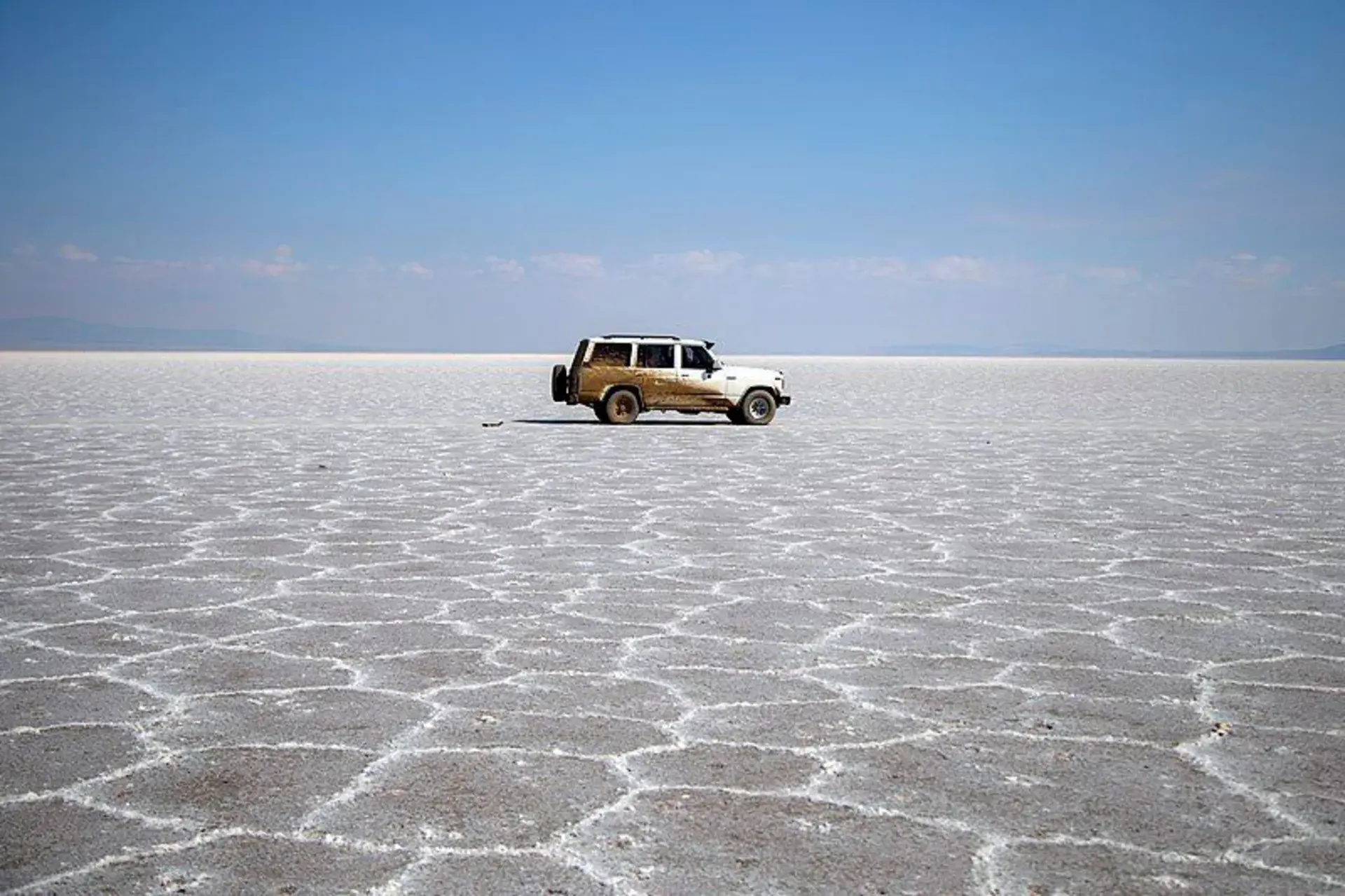
Adjacent to the Maranjab Desert lies the vast Salt Lake of Aran va Bidgol, which, in the dry season, transforms into a stark white expanse of crystallized salt. The surface of the lake, known locally as Daryacheh Namak, fractures into hexagonal geometric shapes, creating a surreal and unforgettable landscape. This salt plain is a stark, almost lunar environment that provides a dramatic contrast to the softness of the nearby golden dunes. Adding to the regional geological splendor, the nearby Salt Lake of Qom (or Howz-e Soltan) is a vast, shallow seasonal lake, famous for its bright red hue during certain seasons and its massive, shimmering white surface when dry, similar to parts of the Lut Desert. This unique geological feature makes the journey to the Maranjab Desert a multi-faceted natural experience, combining both sand and salt environments.

Kavir National Park's Ecological Significance

The Maranjab Desert serves as a vital transition zone to the immense Kavir National Park, one of the most important protected ecological areas in Iran. This park, characterized by its vast salt marshes and semi-arid plains rather than massive dunes, highlights the need for responsible tourism in the region. Its proximity to the Maranjab Desert means the entire region shares a unique ecosystem, essential for the preservation of specialized wildlife and emphasizing the delicate balance of life in this arid zone.

Echoes of History: Maranjab's Ancient Heart

The Maranjab Desert is rich in history, sitting directly on ancient trade routes and featuring magnificent architectural remnants that tell tales of empires and caravans. This historical depth adds a profound layer to its natural beauty, inviting travelers to step back in time.

The Enduring Maranjab Caravanserai

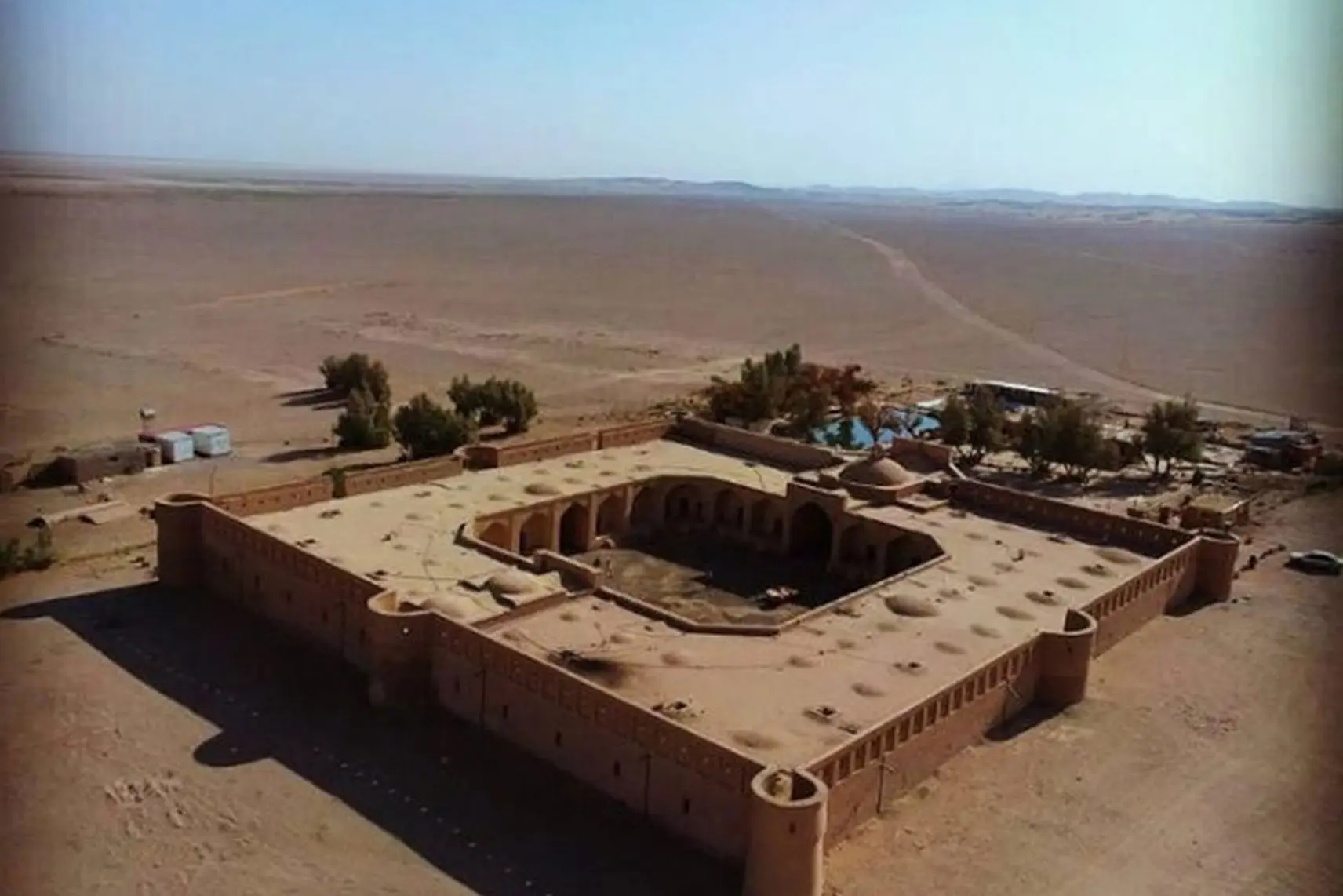
The centerpiece of the Maranjab Desert’s history is the Maranjab Caravanserai. Built by order of Shah Abbas I in 1603 CE, this fortress was strategically placed to protect the vital trade route from Khurasan to Isfahan, ensuring the safety of caravans. Today, the sturdy mud-brick structure is preserved and serves as a guesthouse, allowing travelers to experience the solitude and atmosphere that ancient merchants once knew. Staying overnight in the Maranjab Caravanserai offers a unique historical immersion, a true highlight of any visit to the Maranjab Desert.

Royal Outposts and Hidden Cities

Nearby, the Qasr-e Bahram Caravanserai stands as another majestic historical outpost within the borders of the Kavir National Park. This former Safavid-era hunting lodge and resting spot for the royal family is a grand, stone structure that contrasts sharply with Maranjab’s mud-brick architecture, showcasing the royal attention given to the region. Before venturing into the desert, travelers also have the unique opportunity to explore the Nushabad Underground City, located just outside Kashan. This incredible architectural marvel, a vast three-story subterranean complex, offers a fascinating look into ancient Persian ingenuity and provides a powerful contrast to the open expanse of the Maranjab Desert.

Kashan: The Historical Oasis

The city of Kashan, a short drive from the Maranjab Desert, acts as the primary historical gateway to the region. Kashan itself is a treasure trove of Persian culture, famous for its historic houses (like the Tabatabaei and Borujerdi Houses) and its proximity to the UNESCO-listed Fin Garden. Kashan serves as the logistical and cultural base for any trip to the Maranjab Desert, offering travelers a fascinating transition from the grandeur of an ancient city to the quiet majesty of the desert.

Life Thrives: Flora and Fauna of the Arid Lands

Despite its arid conditions, the Maranjab Desert supports a unique collection of plant and animal life, perfectly adapted to the extreme climate and saline soil. This ecosystem is a testament to nature's resilience and diversity.

Resilient Desert Vegetation

The stability and color of the Maranjab Desert landscape are largely thanks to resilient desert flora. The Tagh (Haloxylon) tree is vital, possessing deep root systems that anchor the shifting sand dunes, preventing massive wind erosion. These hardy shrubs are often found clustered around the dunes. The Gaz (Tamarix) tree, or tamarisk, is equally important, known for its ability to thrive in high-saline soils. The sight of these green, low-lying trees provides pockets of life and relief against the golden and white hues of the Maranjab Desert, demonstrating the tenacity of nature.

The Secrets of Nocturnal Wildlife

The wildlife of the Maranjab Desert is highly specialized and predominantly nocturnal to cope with the extreme daytime heat. Mammals commonly observed include the sand fox (known for its large, heat-dissipating ears), and the ubiquitous rabbit. The desert is also home to a unique population of reptiles and arthropods, including several venomous species. Visitors should be aware of the presence of the horned viper and the saw-scaled viper (Mar-e Ja’fari), as well as scorpions (including dangerous yellow and black varieties) and tarantulas, underscoring the need for careful camping and night observation. The silence of the Maranjab Desert is often punctuated by the subtle movements of these creatures, which maintain the ecological balance of the region.

What to Do in the Maranjab Desert

Desert Trekking and Dune Hiking

Climb the accessible, high sand dunes of the Maranjab Desert for magnificent panoramic views, especially rewarding during sunrise and sunset for stunning light and cooler temperatures.

Off-road Safaris and Adventure Tours

Embark on an adrenaline-pumping 4x4 safari over rolling dunes and vast plains. These tours must be conducted by experienced, licensed drivers to ensure safety and environmental protection.

Stargazing and Celestial Observation

Due to its remote location and minimal light pollution, the Maranjab Desert offers spectacular stargazing opportunities. Witness the Milky Way in stunning detail, making overnight camping a memorable experience.

Visiting the Wandering Island (Jazireh Sargardan)

Discover the unique 'Wandering Island,' a fascinating natural phenomenon in the Salt Lake of Aran va Bidgol. Visible only when the lake is completely dry, mirages make it appear to float or 'wander'.

Your Essential Maranjab Desert Travel Guide

Best Time to Visit

The best time to visit the Maranjab Desert is during the cool seasons: late autumn (October–November), winter (December–February), and early spring (March–April). These months offer pleasant daytime temperatures ideal for hiking and exploration. For the best photography and to avoid midday heat, plan your activities during early morning or late afternoon (golden hour). Travel during the summer (June–August) is strongly discouraged due to extreme, dangerous heat. Winter nights can be very cold, requiring adequate warm gear for camping.

Getting There

The primary and easiest access point to the Maranjab Desert is from the city of Kashan. From Kashan, travelers drive approximately 60 kilometers to the city of Aran va Bidgol. From there, follow a well-maintained off-road track directly to the Maranjab Caravanserai. While the track is generally firm, a 4×4 vehicle is highly recommended, as the distance from the paved road to the caravanserai is approximately 45 kilometers. Guided tours from Kashan are widely available and recommended for hassle-free travel.

Entrance Fee

While there is no formal 'entrance fee' for the Maranjab Desert itself, visitors typically pay a small fee (approximately $5-10 USD, depending on current exchange rates and whether you enter with a guided tour or individually) to local authorities or the caravanserai management for vehicle access or overnight stays in the core zone. This contributes to local conservation efforts and facility maintenance.

Visiting Hours

The Maranjab Desert is open 24 hours a day, 7 days a week, allowing for sunrise and sunset viewing, as well as nighttime stargazing. However, if you plan to stay at the Maranjab Caravanserai, it is advisable to check their specific booking and check-in/check-out times. For organized tours, arrival and departure times will be set by your tour operator to optimize your experience.

Frequently Asked Questions

Author: Deytrips Team
Was this content helpful?

Plan Your Unforgettable Desert Adventure!

Ready to explore the mystical landscapes and ancient history of the Maranjab Desert? Let our expert team craft a personalized itinerary for you.

Contact Us Now