.webp&w=3840&q=75)
Kashan: Gateway to Ancient Persia's Enduring Soul
Step into a sun-drenched city where 8,000 years of civilization whispers through stunning architecture, vibrant traditions, and a resilient desert spirit.
Discover Kashan: Abode of the Faithful
A Journey Through Time: The Rich History of Kashan
Ancient Roots: The Legacy of Sialk Tepe
Medieval Resilience & Safavid Flourishing
Qajar Grandeur: The Birth of Iconic Houses
Kashan's Enduring Culture and Artistry
Living Traditions: Festivals of Kashan
- Golāb Gīrī (Rosewater Distillation Ceremony): The most famous ritual, running from mid-May to early June. The air in areas like Qamsar, Barzak, and Niasar becomes saturated with the sublime scent of Mohammadi roses.
- Nakhl Gardānī (Palm-Carrying): A significant Shia religious ceremony performed during the mourning period of Muharram, where a large, wooden, palm-leaf-shaped structure (Nakhl) is carried through the streets.
- Qālī Shūyān (Carpet Washing Ceremony): Predominantly held in Mashhad-e Ardehal, this ancient ritual honors Ali ibn Mohammad al-Baqir (A.S.) and is a unique display of religious devotion and local custom.
Artisanal Heritage: Handicrafts and Souvenirs
- Rosewater and Herbal Distillates: Beyond Golāb, Kashan is famed for other high-quality distillates like Bīdmushk (willow catkin) and mint.
- Pottery and Ceramics: With a legacy stretching back over 7,000 years, Kashani pottery is a must-buy.
- Kashi (Tiles): The very name “Kashan” may derive from its fame for producing exquisite, high-quality tiles, seen on historic buildings and sold as decorative pieces.
- Persian Carpets: Kashan produces over 70% of Iran’s carpets, known for their cotton warps, natural dyes, and incredible skill. The best places to purchase these are the Historic Kashan Bazaar and surrounding traditional markets.

Architectural Marvels: Ingenuity in the Desert
Traditional Houses: Oases of Design
- Windcatchers (Bādgīr): Ingenious towers that catch cool breezes and funnel them into the house.
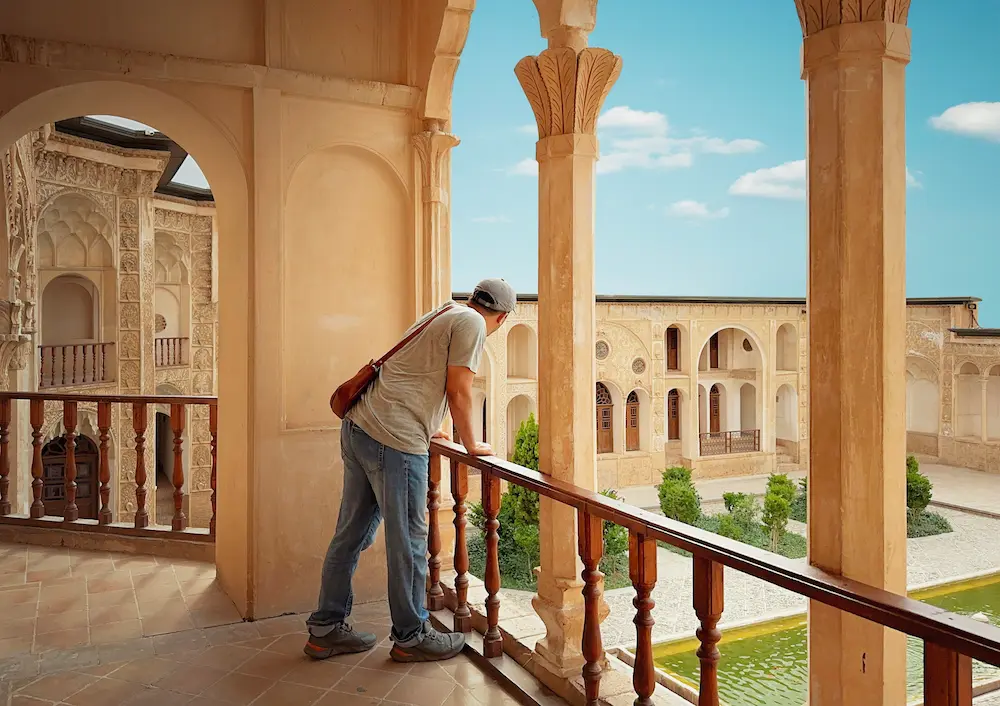
- Inner and Outer Courtyards: Divided into bīrūnī (public) and andarūnī (private) areas, centered around lush courtyards with water features, providing micro-climates.
- Ornamentation: Houses like the Tabatabaei House are renowned for breathtaking stucco work, mirror mosaics, and intricate tilework.
Sacred Spaces & Verdant Paradises
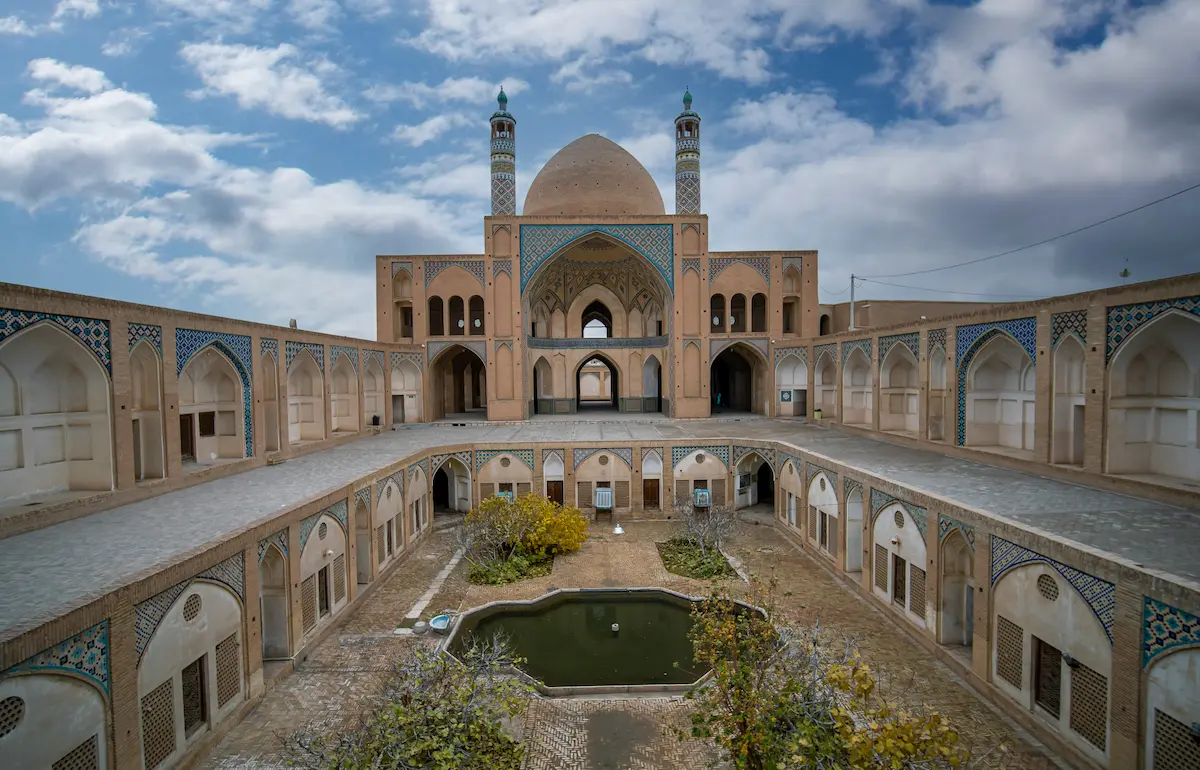
- Agha Bozorg Mosque and School: A stunning example of 18th-century Islamic architecture, famous for its grand scale and beautiful deep pit courtyard.
- Fin Garden (Bāgh-e Fīn): A UNESCO World Heritage Site and the epitome of the Persian garden ideal—a perfect, lush, symmetrical paradise in the middle of a harsh environment. Water channeled from the Soleymanieh Spring flows through pools and fountains, providing a sensual and visual coolness. It is a defining landmark for any Kashan travel guide.
Top Attractions in Kashan
Discover the intimate elegance and artistic soul of Kashan through its iconic historical houses, enchanting gardens, and vibrant bazaar.

Aqa Bozorg Mosque
The Aqa Bozorg Mosque (Masjed-e Aqa Bozorg) in Kashan stands as one of the most magnificent and revered <a href="/iran-attractions/historical">historical monuments in Iran</a>. This stunning Qajar-era mosque-school is a testament to sophisticated engineering and spiritual depth, offering visitors a unique glimpse into Persia's architectural and intellectual heritage.

Fin Garden
Nestled on the edge of Iran's Central Desert, the Fin Garden (Bagh-e Fin) in Kashan stands as a magnificent testament to ancient Persian ingenuity and aesthetic brilliance. This UNESCO-listed site is one of Iran's most celebrated <a href="/iran-attractions/historical">historical treasures</a>, offering visitors a serene oasis where lush greenery, intricate water features, and significant historical events converge. A true highlight for any traveler exploring Iran's rich cultural tapestry, the Fin Garden captivates with its timeless beauty and profound heritage.
Maranjab Desert
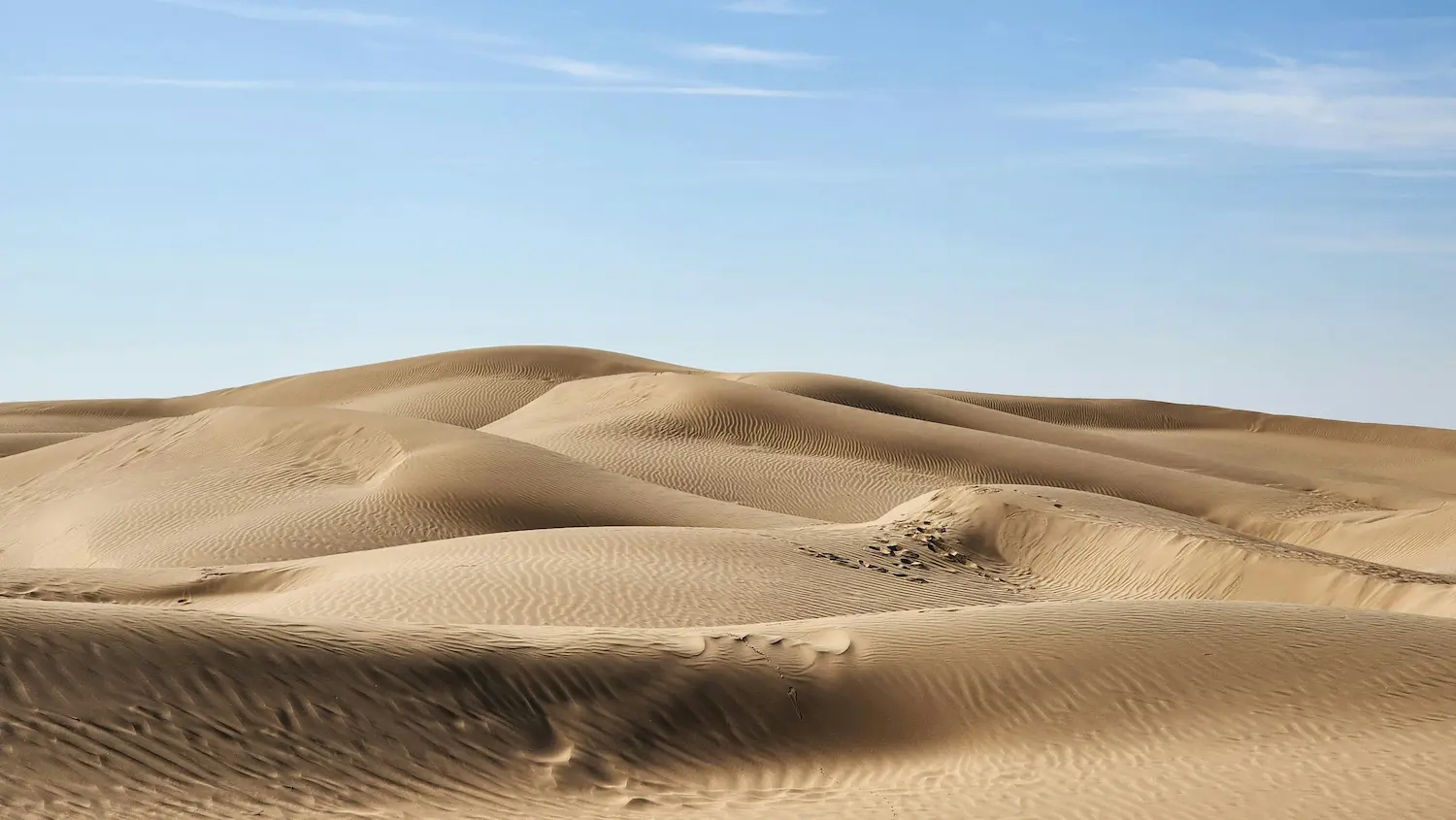
For travelers seeking the quintessential desert experience without venturing into the extreme remoteness of the Lut Desert, the Maranjab Desert offers a captivating blend of accessibility, history, and raw natural beauty. Located in the northern reaches of Isfahan province, this desert is not merely a landscape of sand and sky; it is a gateway to the ancient Silk Road, a sanctuary for unique wildlife, and a stunning stage for celestial observation. Its high, golden dunes and historical structures make the Maranjab Desert a mandatory stop on any comprehensive journey through Iran's <a href="/iran-attractions/historical">historical attractions</a> and natural wonders.
Nearby Villages
Explore charming villages around Kashan.
Kashan Tours: Explore the City Like a Local
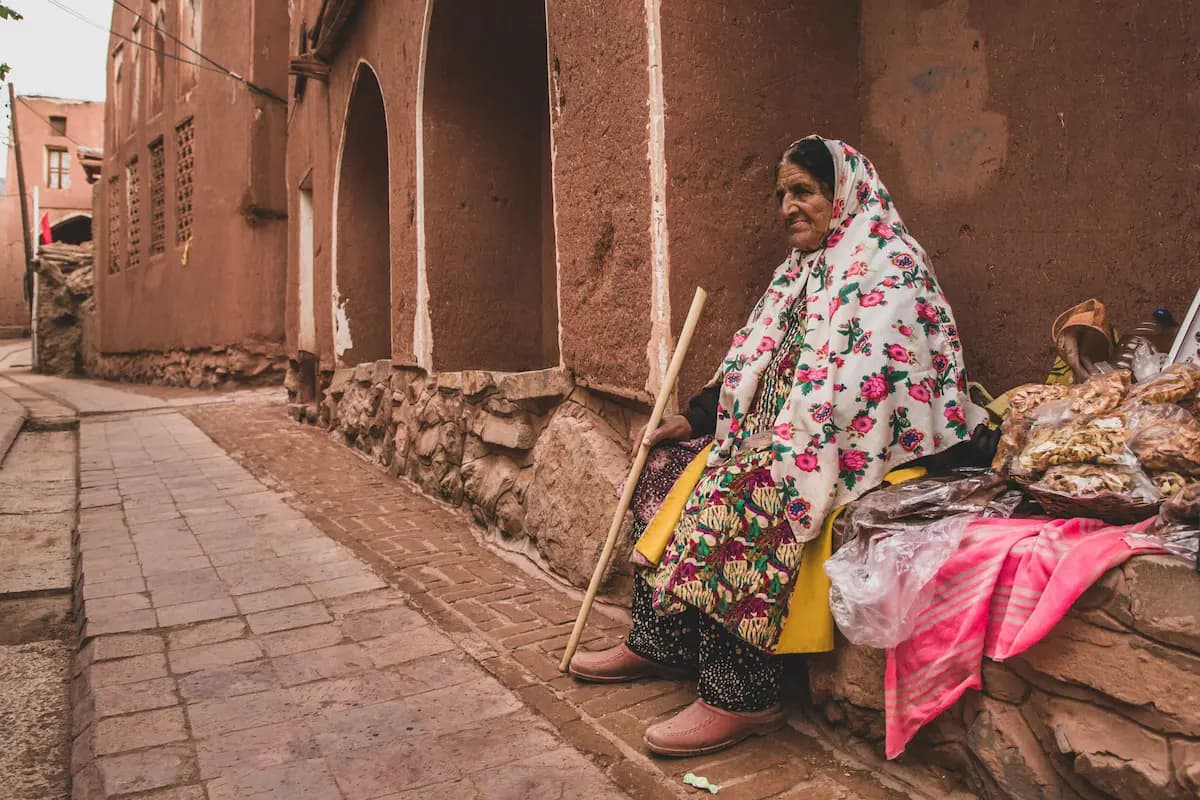
Discover Kashan through guided experiences that reveal both its iconic landmarks and hidden treasures. With a local guide, you’ll uncover stories and traditions that most travelers miss, transforming your visit into an unforgettable journey.
Expert Guides for Your Kashan Journey
Uncover the city's hidden stories and traditions with knowledgeable local guides who transform your visit into an unforgettable journey.
Things to Do in Kashan
Beyond sightseeing, Kashan is a city to be felt. Wander through shaded alleys, join locals in teahouses, and immerse yourself in living traditions.
Walk the Historic Bazaar
Get lost in the labyrinthine corridors of the Kashan Bazaar, culminating in the architectural masterpiece of the Amin-o-dowleh Timcheh. This is the heart of the city's commerce and history.
Experience the Rosewater Festival
If visiting in mid-May to early June, witness the mesmerizing Golāb Gīrī (Rosewater Distillation Ceremony) in areas like Qamsar, where the air is filled with the sublime scent of Mohammadi roses.
Escape to the Desert
Take a guided tour to the stunning sand dunes of the Maranjab or Abouzeidabad deserts. Enjoy dune walking, safari tours, and unparalleled stargazing under the clear desert night sky.
Stroll the Fin Garden
Walk the symmetrical, water-fed paths of this UNESCO-listed Persian Garden, imagining the tranquility sought by the Safavid shahs who commissioned its creation.
Food & Restaurants in Kashan
Delight your palate with hearty local dishes and exquisite desserts, rooted in regional flavors and traditions.
Gousht Lūbīā (Meat and Bean Stew)
Perhaps the most beloved traditional dish, a savory and rich concoction that is a staple for many locals, particularly during religious occasions. A must-try for authentic Kashani flavor.
Shofteh-ye Anār (Pomegranate Meatballs)
A delightful variety of Shofteh (meatballs), offering a unique sweet and sour taste from the pomegranate paste, a true regional specialty.
Kāshī Halvā
A rich semolina-based dessert, often infused with Kashan's famous rosewater and flavored with cardamom, saffron, and pistachios. Perfect for those with a sweet tooth.
Planning Your Trip to Kashan
An ideal trip requires thoughtful planning to maximize the experience and comfortably navigate this unique desert city.
Best Time to Visit Kashan
Getting Around Kashan
- Walking: The best way to explore the historic core, as most major historical houses, the Agha Bozorg Mosque, and the bazaar are clustered together.
- Taxis and Ride-Hailing Services: Essential for destinations like Fin Garden, Tepe Sialk, and the train station. Apps like Snapp/Tapsi are readily available and affordable.
- Day Trip Transport: For external attractions like Nushabad Underground City or the Maranjab Desert, hiring a private taxi for the day or booking a specialized tour is recommended due to distance and road conditions.
- Public Transport: Local buses exist but are not practical for most tourist routes; Kashan is too small for a metro system.
Related Destinations
Frequently Asked Questions
Everything you need to know before you visit Kashan.
Ready to Uncover Ancient Wonders?
Let us craft your unforgettable journey to Kashan, where history, culture, and desert beauty converge. Explore our curated tours and personalized itineraries.
Plan Your Kashan Adventure