Mesr Desert

Isfahan

Mesr Desert
Unveiling the Allure of Mesr Desert
Mesr Village: The Heart of the Oasis
A Landscape of Stunning Contrasts

Mesr Desert

For many, the image of Iran is one of vast, arid extremes, but the Mesr Desert offers a surprising and captivating narrative. Located in the heart of Iran’s central plateau, this region, named after its anchoring village, is one of the most accessible and mesmerizing desert destinations in the country. It is a place of profound solitude, where towering dunes meet lush green oases and the night sky is an astronomical marvel. This is not just a place for an adventure; it is an invitation to experience the very soul of the Iranian desert, a landscape rich with historical wonders and natural beauty.

Unveiling the Allure of Mesr Desert

Unveiling the Allure of Mesr Desert

Sparsely populated yet brimming with natural beauty, a journey to the Mesr Desert, Iran, is an essential experience for any traveler seeking authenticity. The landscape is a powerful showcase of resilience, where life—from unique plants to specialized wildlife—thrives in the most challenging conditions. This comprehensive guide will take you through the desert’s unique geology, its surprising biodiversity, the cultural significance of its oasis communities, and all the practical advice needed for a safe and unforgettable trip. Prepare to discover why Mesr Desert stands as one of the most beloved natural attractions in all of Iran, offering an experience far beyond the ordinary.

Mesr Village: The Heart of the Oasis

Mesr Village: The Heart of the Oasis
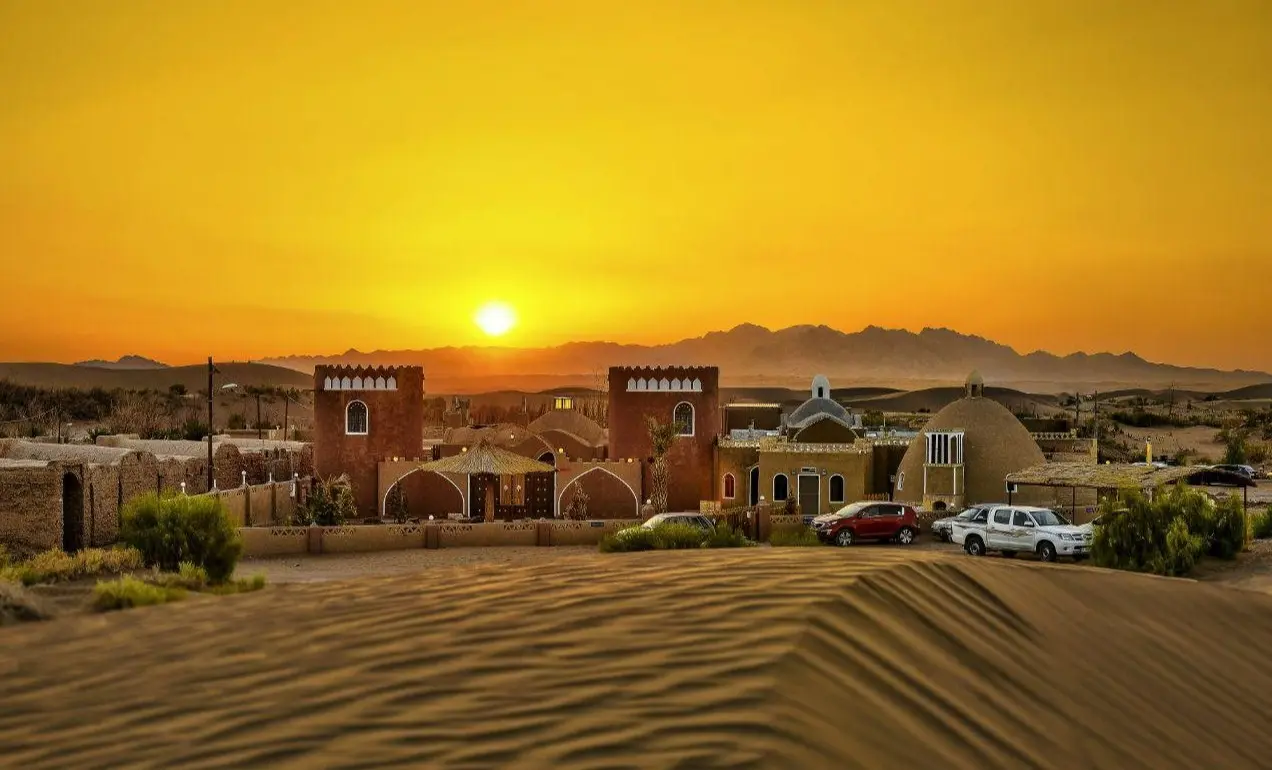
The village of Mesr itself is a testament to human perseverance in the face of nature. A true oasis, it utilizes precious groundwater resources to sustain not only its resilient inhabitants but also its surrounding date palm groves and agricultural fields. The sight of the traditional, mud-brick architecture of the village, framed by the vibrant green of the palms and the dramatic gold of the dunes, perfectly captures the ancient ideal of a desert haven. This small community serves as the primary base for exploring the wider Mesr Desert region.

A Landscape of Stunning Contrasts

A Landscape of Stunning Contrasts
The Mesr Desert showcases a fascinating collection of natural wonders, many of which highlight the stark contrast between intense aridity and vibrant life. From the iconic towering sand dunes to the unexpected lushness of hidden reed beds, the visual spectacle is captivating. This striking duality makes the Mesr Desert, Iran, a truly unique destination, where every turn reveals a new facet of its incredible natural artistry.

Natural Wonders and Unique Ecosystems of Mesr Desert

Natural Wonders and Unique Ecosystems of Mesr Desert

The Mesr Desert is not just endless sand; it's a dynamic environment teeming with geological marvels and surprising ecological pockets. Its distinct features make it a prime location for naturalists and adventurers alike, showcasing how life finds a way to flourish against all odds in the heart of Iran's central desert plateau.

The Verdant Reed Beds (Neizar)

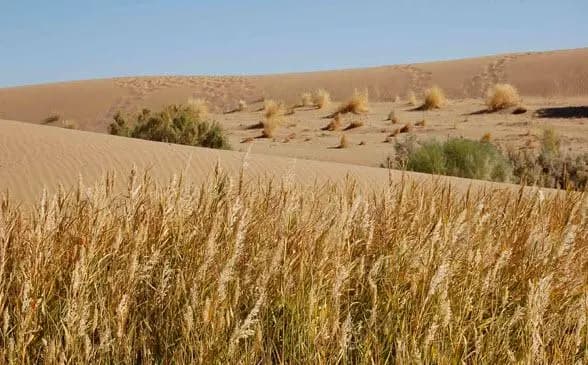
One of the most unique and surprising sights in the Mesr Desert is the presence of its lush reed beds, or Neizar. Located approximately an hour from Mesr village, these vibrant green patches flourish unexpectedly in the heart of the desert, often immediately adjacent to large sand dunes. This phenomenon occurs due to a shallow watershed basin that channels groundwater close to the surface, allowing the reeds to grow. This visual contrast of tall, green reeds against the background of towering golden sand is a truly singular ecological display within the Mesr Desert, Iran, offering stunning photographic opportunities.

Tall, Shifting Sand Dunes & Oasis Farms

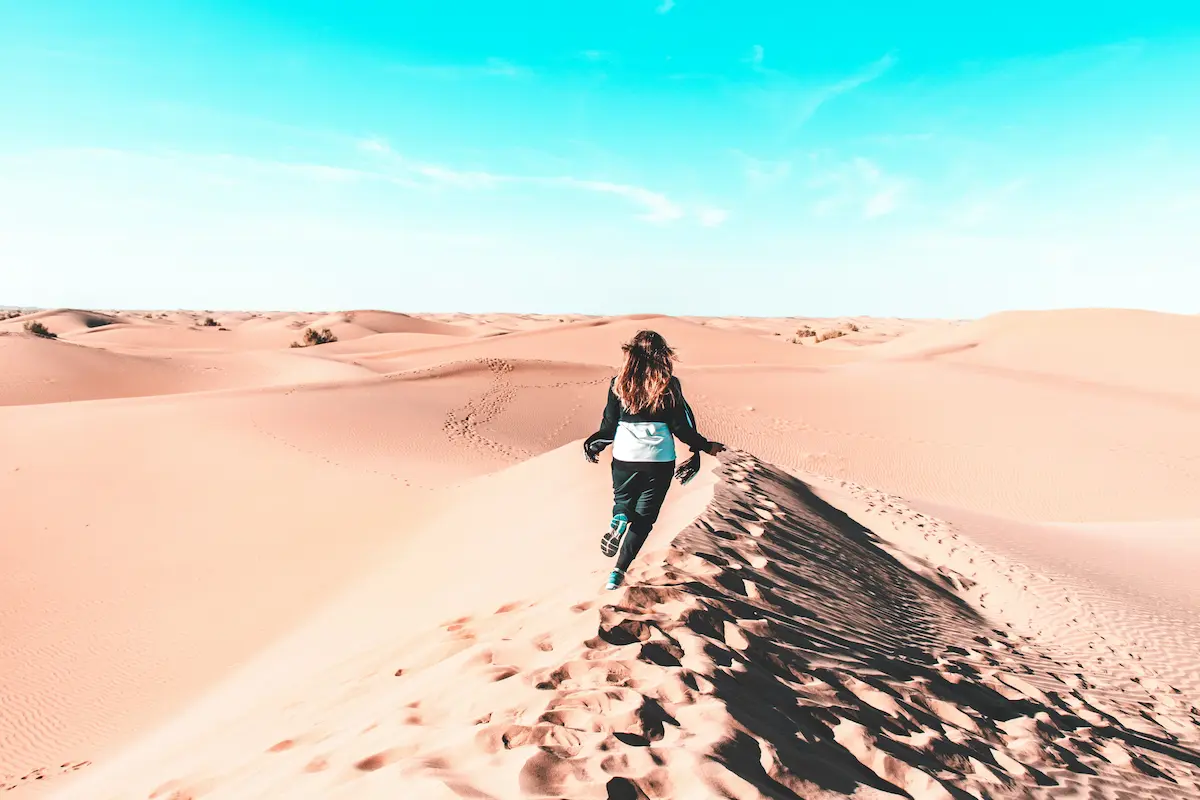
The most recognized natural feature of the Mesr Desert is its towering, ever-shifting sand dunes. Formed by relentless wind erosion, these dunes can reach considerable heights, providing spectacular panoramic views of the entire desert landscape. The texture and color of the sand—ranging from soft cream to a rich gold—make the Mesr Desert a prime location for photography, especially during sunrise and sunset. Further highlighting the miracle of the oasis, the land surrounding the villages supports surprisingly productive agricultural farms. These include fields of cotton, which, when in season, present a striking visual contrast: vast white cotton bolls growing against the backdrop of the golden Isfahan province landscape. These farms rely on the delicate balance of the local water table and represent the enduring ingenuity of the local farmers in Mesr Desert.

Life Thrives in Aridity: Flora and Fauna of Mesr Desert

Despite the seemingly harsh conditions, the Mesr Desert is home to a remarkable array of plants and animals that have adapted to survive and even thrive in this arid environment. Understanding this unique biodiversity enriches the visitor's experience, revealing the desert as a vibrant, living ecosystem.

Resilient Plant Life: Tagh and Gaz Trees

The vegetation of the Mesr Desert, Iran, is characterized by exceptionally resilient species. Two of the most important are the Tagh (Haloxylon) and Gaz (Tamarix) trees. The Tagh is crucial for stabilizing the massive sand dunes, as its deep roots anchor the sand and prevent erosion, playing a vital role in maintaining the desert's structure. The Gaz tree, often found near areas of higher moisture, is known for its incredible salt tolerance and ability to tap into deeper water sources, serving as a symbol of life’s perseverance in the Mesr Desert. These plants are a testament to nature's adaptability.

Adapted Wildlife: Mammals, Birds, and Reptiles

The Mesr Desert supports hardy mammals, primarily active during the cooler hours. This includes the elusive sand fox, well-known for its large ears that help regulate heat, and the quick-moving rabbit. Birds of prey such as the magnificent falcon often patrol the vast skies above the Mesr Desert, hunting for small prey and adding a powerful element to the aerial landscape. The area is also rich in highly specialized reptiles and arthropods adapted to its hot, dry sands. Visitors should be aware of the presence of various snake species, including the venomous saw-scaled viper (or mar-e ja’fari), alongside imposing scorpions and large tarantulas. These creatures are mainly nocturnal and are essential to the desert’s food chain, underscoring the unique, wild environment of the Mesr Desert, Iran.

Cultural Tapestry and Unforgettable Desert Adventures

The Mesr Desert region is not merely a natural wonder; it holds a deep cultural and historical significance tied to the ancient routes of trade and travel across the Iranian plateau. Beyond its cultural roots, the desert offers an array of thrilling activities, making it an ideal destination for an authentic desert adventure tour.

Legends and Ancient Routes of the Oasis

The most cherished local story is the legend of the village’s naming. The village was named Mesr by its founder, Youssef, who invoked the story of Joseph and the biblical land of abundance (Mesr, or Egypt) when his well dried up. The name is a testament to the local people’s faith and their enduring belief in prosperity, making the village’s name a cultural touchstone in the narrative of the Mesr Desert. Historically, the region surrounding Mesr Desert was part of the vital network of secondary routes connected to the major Silk Road paths. Numerous ruins of ancient caravanserais (roadside inns) and historical castles in the area attest to its strategic importance as a crucial stopping point for caravans. The oasis provided essential water and supplies for travelers crossing the center of Iran, cementing its historical role as a desert haven.

Exploring the Enchanting Surroundings

The area surrounding Mesr Desert is rich with historical and natural sites, easily accessible for day trips. The Salt Lake of Khor and Biabanak is a remarkable sight, where during the dry season, the lake’s surface crystallizes into vast, geometric patterns of salt, forming a surreal, white landscape. The historical Bayazeh Castle is an impressive mud-brick fortress offering panoramic views. Garmeh and Farahzad are ancient oasis villages known for their date palms, warm natural springs, and traditional houses, perfect examples of life thriving against the odds in the Mesr Desert, Iran. Each of these nearby attractions adds another layer to the rich tapestry of experiences available in this captivating region.

What to Do at Mesr Desert

Desert Trekking and Dune Hiking

The soft, manageable dunes of the Mesr Desert are perfect for trekking and hiking. Climbing the towering dunes to watch the sunrise or sunset provides spectacular, ever-changing views and is a profoundly serene experience.

Stargazing and Astrophotography

With virtually zero light pollution, the Mesr Desert, Iran, offers an unparalleled view of the night sky. The sheer clarity and darkness make it a top destination for both casual stargazers and professional astrophotographers. Witnessing the brilliance of the Milky Way arching across the horizon is an unforgettable experience.

Camel Riding and Dune Safaris

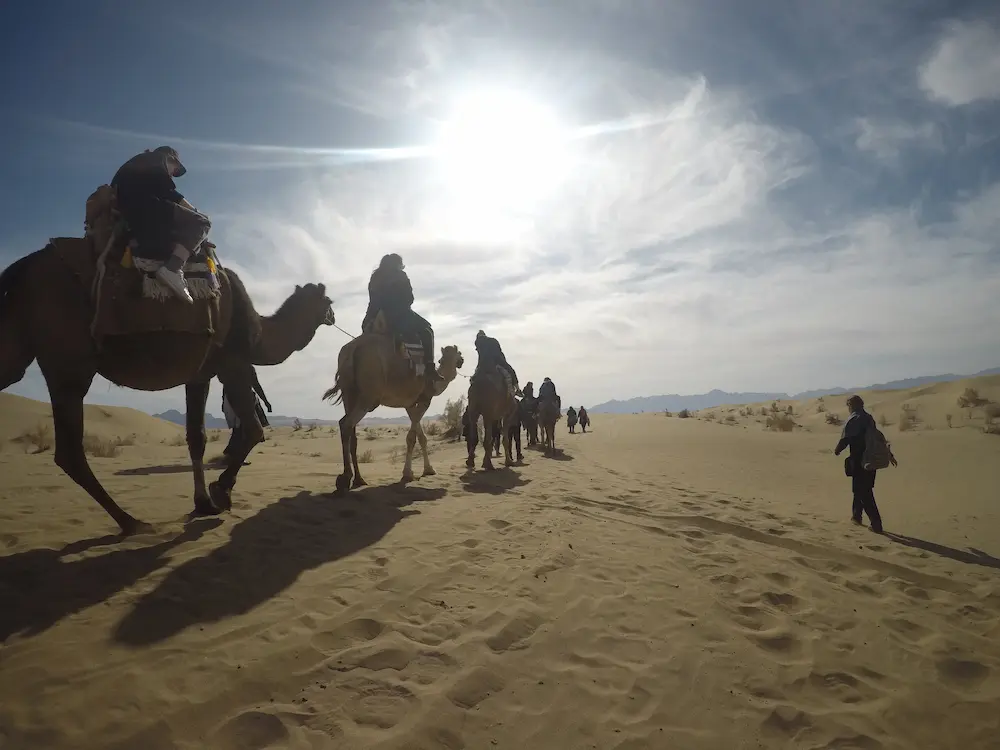
For adventure, guided 4x4 dune safaris provide a thrilling way to explore the vast expanse of the Mesr Desert and climb the steepest slopes. For a more traditional, reflective experience, camel riding allows travelers to move across the sands at a peaceful pace, reminiscent of the ancient caravans.

Exploring Local Oasis Villages

Visiting the nearby oasis villages, such as Garmeh and Farahzad, is a wonderful opportunity to experience authentic Mesr Desert culture. Travelers can explore traditional mud-brick architecture, meet local artisans, and stay in charming, locally-run eco-lodges.

Your Practical Guide to Visiting Mesr Desert

Best Time to Visit

The best time to visit the Mesr Desert is during the cooler months of autumn (October to November) and spring (March to May), when temperatures are pleasant for outdoor activities. Winters can be quite cold, especially at night. For photography and activities, early mornings (for sunrise) and late afternoons (for sunset and golden hour) are highly recommended to avoid the midday heat.

Getting There

The most common route to Mesr Desert, Isfahan, is by private car or chartered bus from major cities like Isfahan or Yazd. Travelers typically head towards the town of Khor and then follow well-paved roads to the villages of Mesr and Farahzad. The area is highly accessible compared to other major desert destinations in Iran, but having a private driver or joining an organized tour is recommended for convenience and safety.

Entrance Fee

There isn't a direct 'entrance fee' to access the vast Mesr Desert itself. However, costs will apply for guided tours (which are highly recommended), activities like 4x4 safaris or camel riding, and stays at eco-lodges or guesthouses in the oasis villages. For visiting specific historical sites or local museums in nearby villages, small local fees may be requested, typically around $2-5 USD for foreign tourists.

Frequently Asked Questions

Author: Deytrips Team
Was this content helpful?

Plan Your Mesr Desert Adventure Today!

Ready to explore the breathtaking landscapes and unique culture of Mesr Desert, Iran? Our expert team can craft a personalized itinerary.

Contact Us for a Custom Tour