Mount Damavand
Tehran
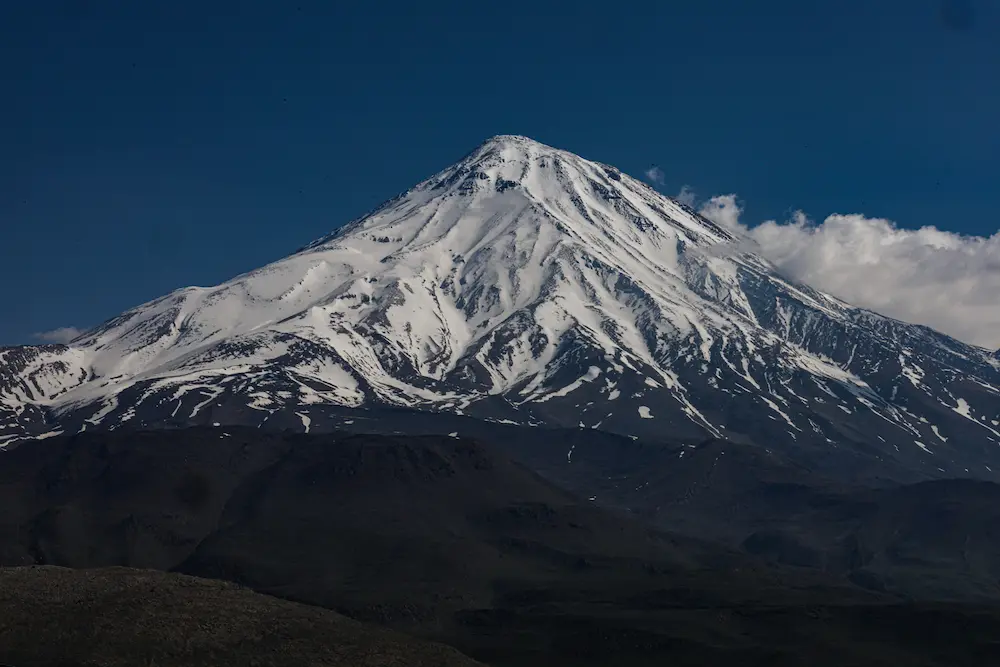
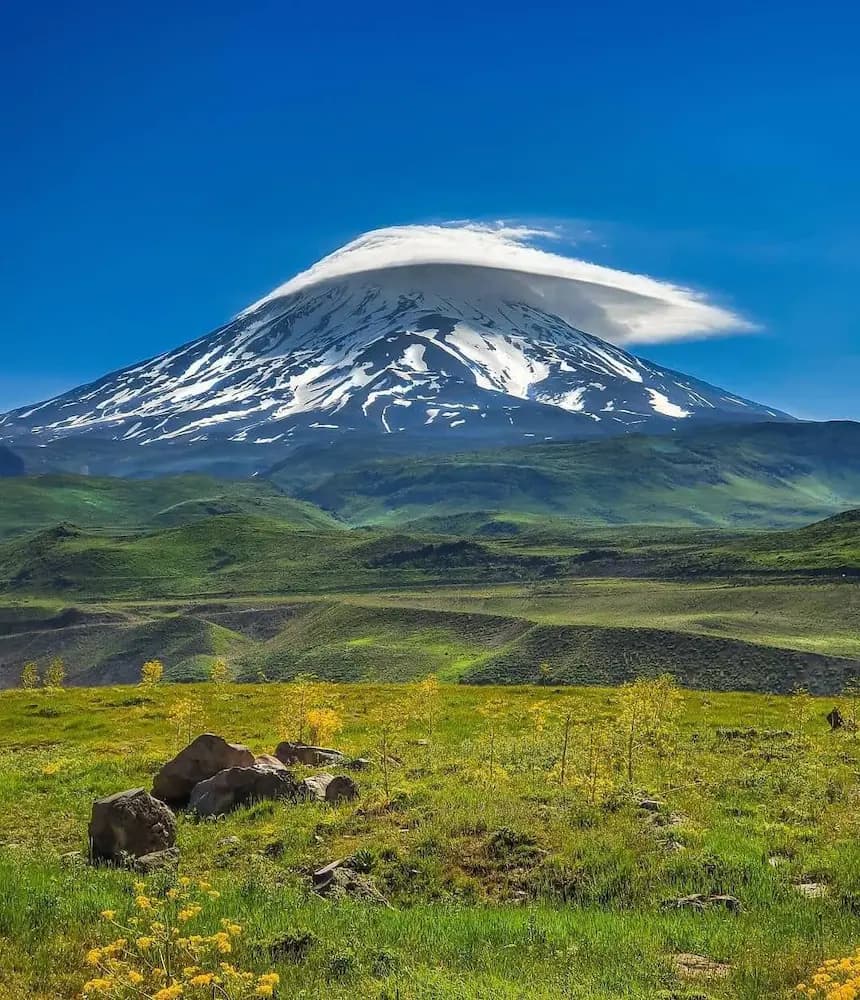
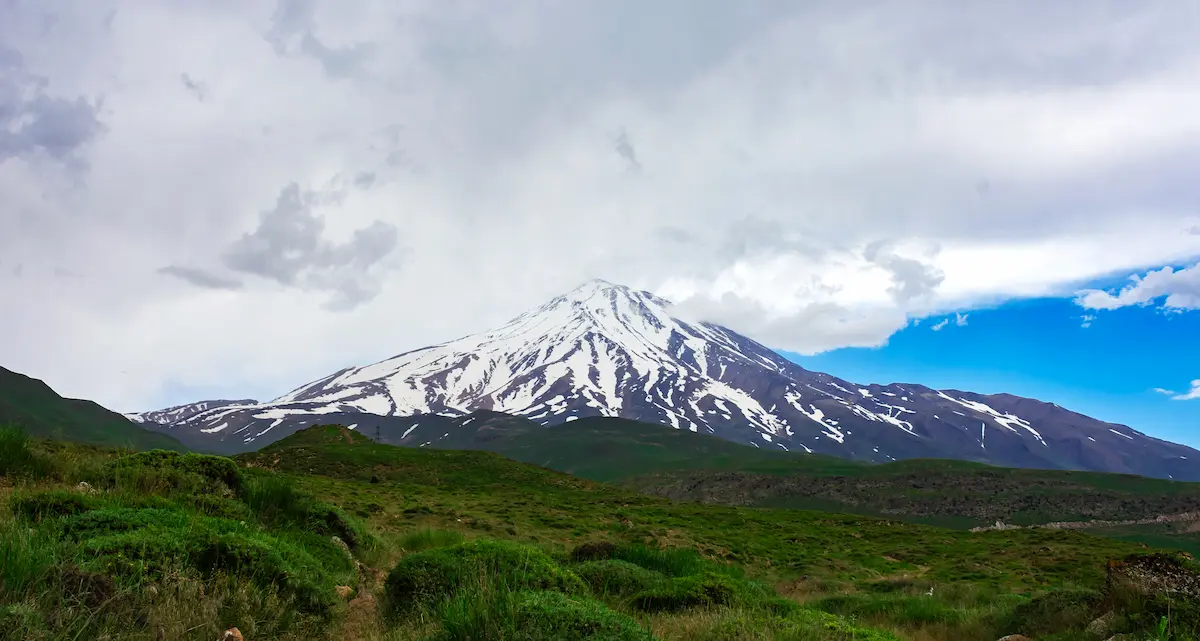
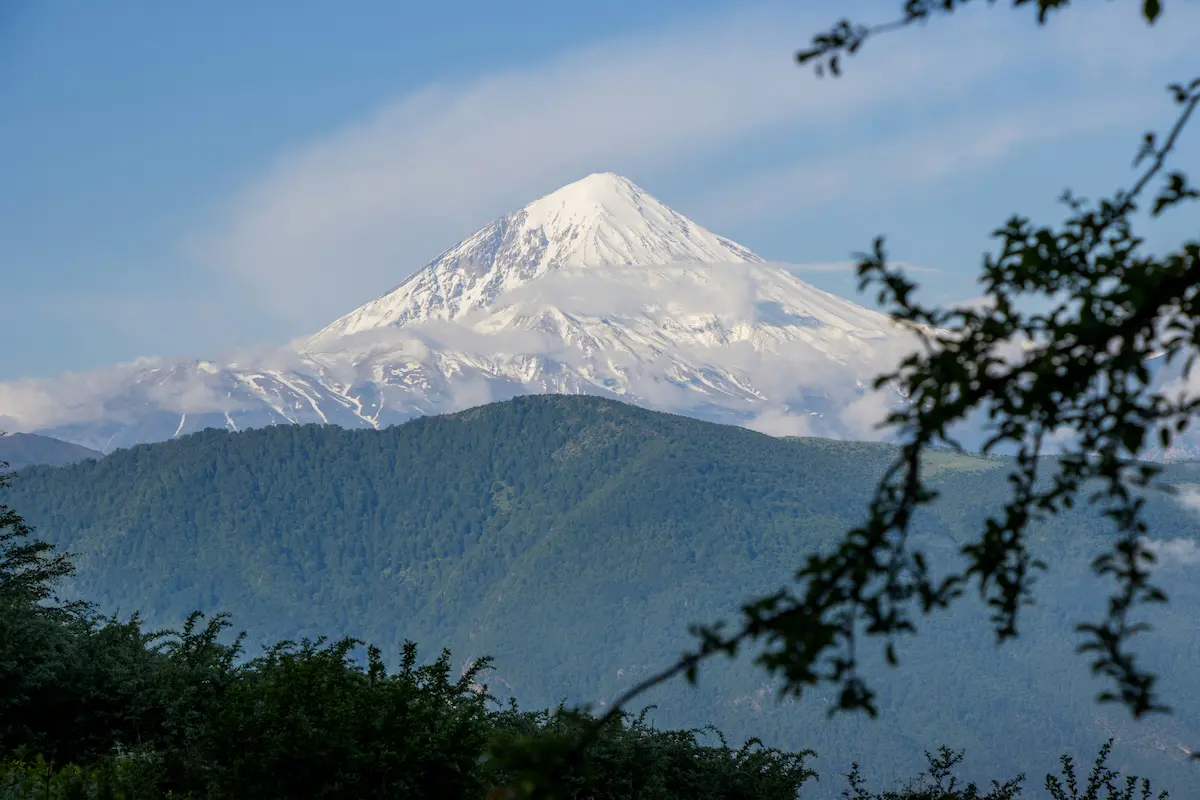
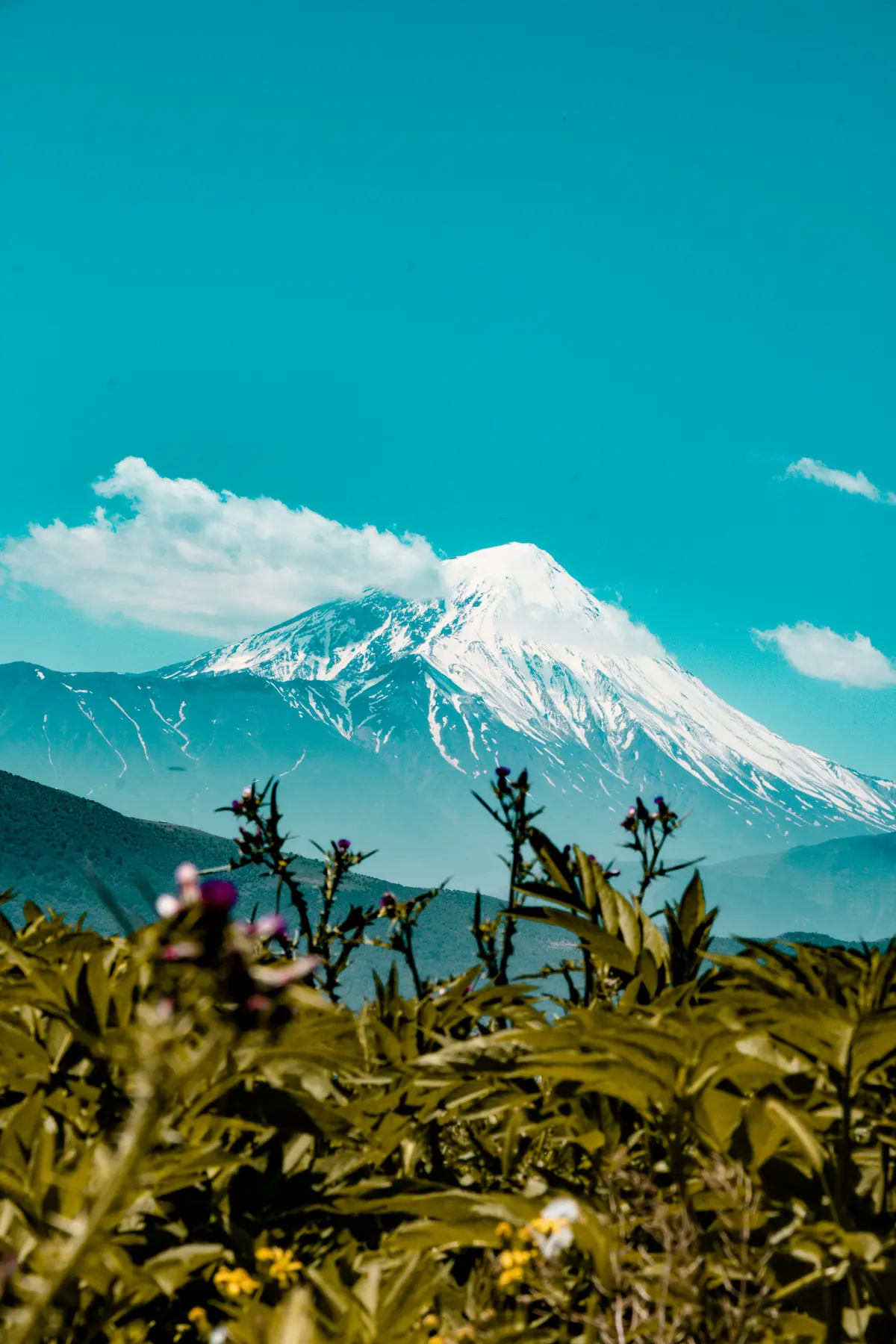
Mount Damavand
The Majestic Peak of Persia: An Icon Unveiled
Mount Damavand, an ethereal sentinel of the Iranian plateau, is not merely a geological formation but a living legend etched into the very spirit of the nation. Its towering presence, visible for miles, serves as a constant reminder of the raw, untamed power that sculpted this ancient land. For centuries, this iconic mountain has inspired poets, artists, and adventurers, becoming a focal point of national identity and pride.
Geographical Grandeur and Global Significance
At an astounding 5,610 meters (18,406 feet) above sea level, Mount Damavand proudly claims its title as the highest volcano in Asia and the zenith of the Middle East. Its sheer scale and isolated prominence make a Damavand climbing expedition a significant milestone for high-altitude trekkers worldwide. While not technically demanding in the climbing sense, the immense elevation gain, unpredictable weather, and requirement for careful acclimatization classify it as a serious mountaineering challenge. This majestic Damavand Peak is often considered an essential stop for those aspiring to conquer even more formidable global summits.
A Tapestry of Myth and National Pride
Few natural landmarks are as deeply intertwined with a nation's cultural narrative as Mount Damavand. In the sacred texts of Zoroastrianism and the epic poems of Ferdowsi's Shahnameh, Mount Damavand is portrayed as a locus of immense spiritual power and a symbol of steadfast endurance. Legend whispers of the three-headed dragon Azi Dahaka, imprisoned within its slopes until the end of time. This rich mythological heritage imbues every Damavand climbing attempt with a profound cultural resonance, transforming a physical endeavor into a journey through Persian history and spirit. Today, the image of Mount Damavand continues to inspire national pride, resilience, and a deep connection to ancestral lands.
Unveiling Damavand's Natural Wonders: Geology and Ecosystems
Understanding the intricate geology and unique ecosystems of Mount Damavand is paramount for any aspiring climber or nature enthusiast. This dormant volcano offers a microcosm of diverse natural phenomena, from its fiery heart to its icy crown and vibrant alpine meadows.
The Heart of a Dormant Volcano: Crater and Fumaroles
Mount Damavand is a stratovolcano, a classic conical shape sculpted by countless ancient eruptions during the Quaternary period. Though currently dormant, its inner fire is not entirely extinguished. Evidence of its residual activity is strikingly visible at the summit crater, approximately 400 meters across. Here, intrepid climbers are greeted by the captivating sight of yellow sulfuric plumes, primarily sulfur dioxide, gracefully rising from fumaroles. These vents offer a tangible connection to the powerful geological forces that shaped this magnificent Damavand Peak. While the sulfur fumes add an element of intrigue, climbers should exercise caution, as prolonged exposure can be irritating.
Glacial Embrace and Alpine Life
The upper echelons of Mount Damavand are cradled by several permanent glaciers, predominantly adorning its northern and northeastern faces. The most significant of these is the majestic Yakhar Glacier, a testament to the mountain's perpetual chill. These icy giants are vital, acting as lifeblood for the surrounding valleys. Beyond the icy reaches, the slopes of Mount Damavand foster a resilient and unique alpine ecosystem. Below the perpetual snowline, vast pastures explode with endemic wildflowers, a vibrant mosaic of life exclusive to this region. Hardier alpine grasses and low-lying shrubs define the higher altitudes. While elusive, brown bears, wild goats (Kūhī), and wild sheep (Qūch) roam the lower, protected areas, adding to the rich biodiversity of this natural marvel. This blend of ice and flora creates a uniquely challenging and beautiful environment for Damavand climbing.
Conquering the Heights: Routes, Strategy, and Safety
Embarking on a Damavand climbing expedition is a journey that demands meticulous planning, strategic execution, and profound respect for the mountain's grandeur and challenges. Each step towards the summit is a dance between human will and nature's might.
Navigating Damavand's Diverse Climbing Routes
Mount Damavand offers four primary routes, each presenting a distinct adventure. The South Face Route, accessible via Polour or Rineh, is the most popular due to its established infrastructure, including the Bargah Sevom (Camp 3) shelter at 4,250 meters. It's often the preferred choice for first-time high-altitude climbers. The West Face, moderately difficult and known for spectacular sunsets, features the Simorgh Shelter (4,200 m) but is significantly windier. For the seasoned mountaineer seeking a true test, the North Face Route is the most challenging, requiring technical skills and glacier travel, with only basic shelters. Lastly, the Northeast Face, the longest standard route, offers isolation and a multi-day approach, leading to the Takht-e Fereydoun shelter (4,400 m). Choosing the right path is crucial for a successful Damavand climbing experience.
Mastering the Ascent: Acclimatization and Essential Season
The key to a successful Damavand climbing expedition lies in rigorous acclimatization. Climbers are strongly advised to spend at least one night at a lower altitude camp (around 3,000 m, such as the Polour or Rineh Federation buildings) before ascending to the higher Camp 3/Base Camp (4,200 m) for another night of rest and acclimatization. The optimal season for a Damavand ascent is from mid-June to mid-September, when weather conditions are most stable, and snow levels on the South Face are manageable. Outside this window, extreme cold, heavy snow, and strong winds make the climb considerably more hazardous. Starting the summit bid before dawn is a common strategy to utilize frozen ground and descend before potential afternoon thunderstorms.
Prioritizing Safety: Altitude and Expert Guidance
Altitude sickness remains the most formidable challenge when undertaking a Damavand climbing adventure. Symptoms like headaches, nausea, and fatigue are common, but a slow, gradual ascent and consistent hydration are your best defenses. Never attempt the summit alone, and always heed the advice of your experienced local guide. Retreating if symptoms worsen is not a sign of weakness, but a critical safety protocol. Furthermore, all non-Iranian nationals require a climbing permit from the Iranian Mountaineering Federation (IMF), often facilitated by a reputable tour operator. A licensed guide, often from a reputable adventure tours specialist like Deytrips, is indispensable, possessing crucial knowledge of routes, weather, and high-altitude emergency procedures to ensure your safety and success on this majestic Damavand Peak.
Beyond the Summit: Exploring Damavand's Enchanting Surroundings
The allure of Mount Damavand extends far beyond its formidable peak. The surrounding region is a treasure trove of natural wonders, offering diverse landscapes and experiences that complement the high-altitude challenge, inviting explorers to delve deeper into Iran's natural heritage.
Lar National Park: A Sanctuary of Biodiversity
Nestled on the southern and western flanks of Mount Damavand, Lar National Park is a sprawling protected area celebrated for its breathtaking Lar Lake, verdant alpine meadows, and rich biodiversity. This idyllic setting transforms into a bustling hub during summer, drawing visitors for fishing, camping, and trekking amidst stunning natural beauty. The park is a haven for unique flora and fauna, including various migratory birds and wild sheep, highlighting its significance as a crucial conservation zone. Access is regulated, often requiring permits, ensuring the preservation of this pristine environment.
Subterranean Secrets and Serene Valleys
The region around Mount Damavand also harbors geological marvels beneath the surface and serene oases at its base. Gole Zard Cave, or “Yellow Flower Cave,” is a captivating limestone cavern inviting adventurous spelunkers to explore its depths. Adorned with stunning stalactites, stalagmites, and intricate chambers, it reveals the complex geological tapestry woven beneath the Alborz range, offering a cool, dark contrast to the sun-drenched peaks. Nearby, Zaman Valley presents a picturesque gorge, where a cool, shallow river meanders between towering rocky walls. This valley is a favored spot for refreshing day hikes and peaceful picnics, providing an accessible natural escape perfect for acclimatization days or for those who wish to soak in the regional beauty without undertaking the full Damavand climbing challenge. These unique geographical features offer a compelling contrast to the country's ancient cities like Isfahan, showcasing Iran's incredible natural diversity.
Things to Do at Mount Damavand & Nearby
Summit Mount Damavand
Undertake the challenging but incredibly rewarding ascent to the highest point in Iran and the Middle East, experiencing breathtaking panoramic views from the iconic Damavand Peak.
Explore Lar National Park
Spend time in this beautiful protected area, enjoying activities like fishing in Lar Lake, camping in alpine meadows, or birdwatching amidst diverse wildlife on the lower slopes of Mount Damavand.
Hike Zaman Valley
Enjoy a refreshing day hike through the scenic Zaman Valley, walking through its cool river waters surrounded by dramatic cliffs – an excellent option for acclimatization or a leisurely outing.
Discover Gole Zard Cave
Delve into the subterranean wonders of Gole Zard Cave, exploring its intricate limestone formations, stalactites, and stalagmites for a unique caving adventure near Mount Damavand.
Your Essential Mount Damavand Travel Guide
Best Time to Visit
Getting There
Entrance Fee
Frequently Asked Questions
Ready to Conquer Persia's Roof?
Embark on an unforgettable adventure to Mount Damavand. Our expert guides ensure a safe and memorable ascent to Iran's majestic peak.
Plan Your Damavand Trek