Abyaneh Village: Iran's Ancient Red Jewel

Abyaneh Village: Iran's Ancient Red Jewel

Step into a living history museum where vibrant culture meets breathtaking architecture amidst the Karkas Mountains.
Discover Abyaneh: Iran's Timeless Red Village
Discover Abyaneh: Iran's Timeless Red Village

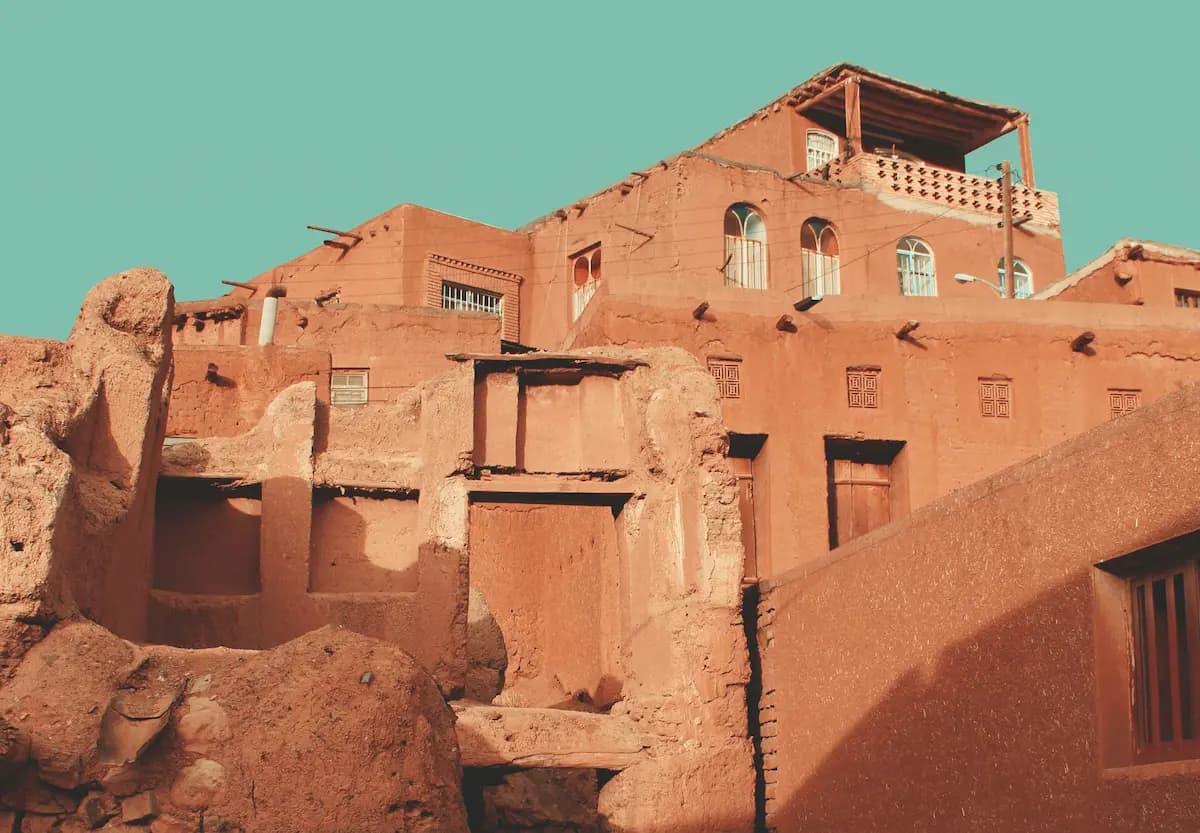
The Abyaneh Village is an enchanting, historical settlement often dubbed 'The Red Village' of Iran due to its distinctive reddish-hued soil. Located on the northern slope of the Karkas Mountain range, this unique village presents a striking tableau against the arid Iranian landscape. Its geographical isolation and remarkable cultural preservation make it one of the most exceptional and captivating destinations in the Middle East. Conservatively estimated to be around 1,500 years old, Abyaneh stands as one of the oldest continuous human habitats on the periphery of the Dasht-e Kavir, reflecting a deep history through monuments spanning Sassanid, Seljuk, Safavid, and Qajar eras.
A Tapestry of History: Key Sites of Abyaneh Village

A Tapestry of History: Key Sites of Abyaneh Village

The Abyaneh Village is a veritable open-air museum, where every alleyway and house holds a piece of Iranian history. While the entire village is an attraction itself, several key buildings and sites deserve special mention for their historical and cultural significance, offering a journey through millennia of heritage.

Jame'a Mosque & Harpak Fire Temple

The Jame'a Mosque is one of the most important religious buildings in the Abyaneh Village, housing a remarkable wooden inlaid pulpit dated to 1703 AD, showcasing exquisite craftsmanship. Contrasting this Islamic heritage is the Harpak Fire Temple, a Sassanid-era relic positioned on the lower slopes, arguably the oldest surviving monument, speaking volumes of Abyaneh's deep Zoroastrian roots before the advent of Islam.

Shrines, Castles & Communal Structures
In the southern part of Abyaneh Village, the shrines of Shazde Isa and Shazde Yahya serve as significant pilgrimage spots, adorned with beautiful Safavid and Qajar-era details. High above, the remains of Abyaneh Castle (Jom’eh Castle) offer panoramic views, a testament to the village's strategic defensive history. Other historical structures include the Yosmoun Mosque, the Hardeh Bathhouse, Daneshvari-e Abyaneh School, and the Palizeh-e Abyaneh Water Storage (Ab Anbar), all reflecting the ingenuity and community spirit of the Abyanian people. Don't miss the age-old, richly carved wooden doors, often featuring unique knockers and ancient inscriptions.
The Enduring Spirit: Abyaneh's Vibrant Culture

The Enduring Spirit: Abyaneh's Vibrant Culture

The true essence of the Abyaneh Village is not just in its stones and bricks, but in the vibrant, persistent culture of its people. The villagers, known as Abyanian people, have been praised for their strong sense of communal saving and foresight, which has allowed their traditions to survive largely intact, making Abyaneh a living heritage experience.

Distinctive Attire and Ancient Dialect

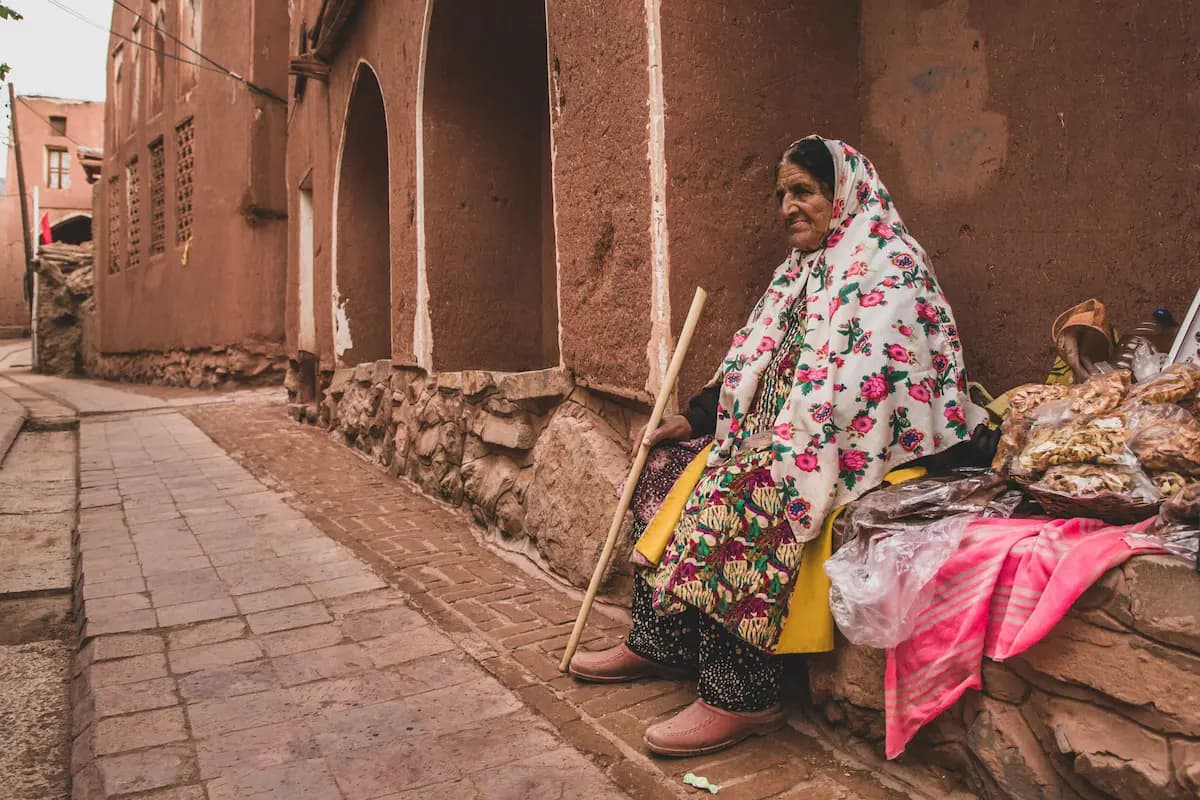
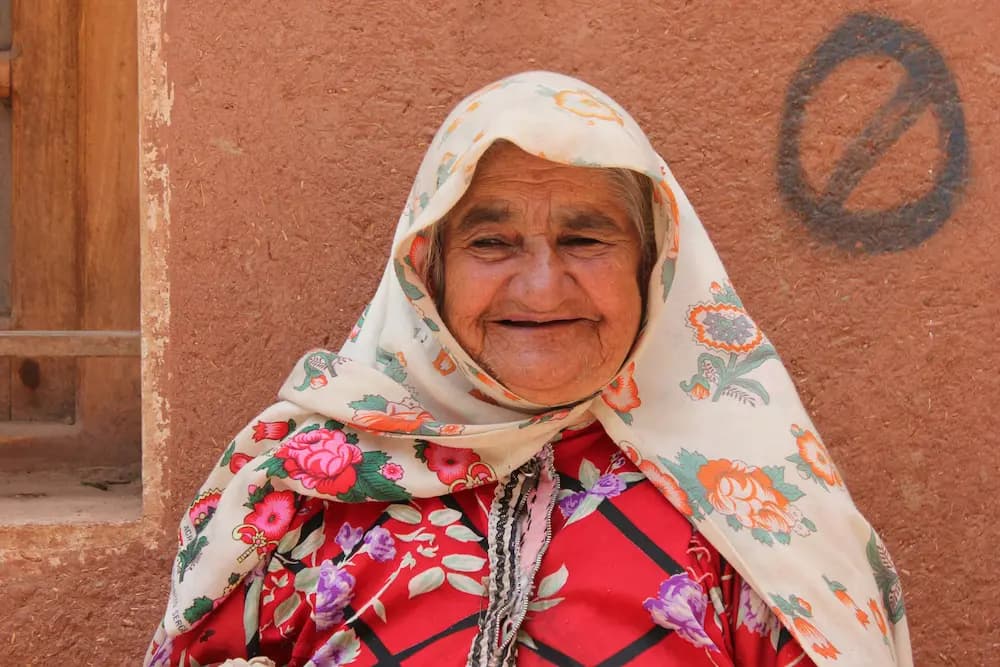
Perhaps the most immediately striking feature of the local people in the Abyaneh Village is their distinctive local covering and clothing. Abyanian women traditionally wear floral chadors and frilly, pleated skirts in vibrant colours, a stark contrast to more common dark garments. Men, though now often in modern clothing, retain traditional wide, baggy trousers during ceremonies. Furthermore, the local accent and dialect of the Abyaneh Village is a precious linguistic relic—an ancient, unwritten form of Middle Persian (Pahlavi), preserved by the village's isolation.

Social Customs and Community Life

Historically, the Abyanian community held strong social policies to preserve their lineage and culture. This included strict endogamy, where daughters rarely married non-Abyanians, and a strong disapproval of selling land to 'foreigners.' Interestingly, women in Abyaneh Village enjoyed social and economic parity with men, reflected in their unique clothing. To ensure resource conservation, women traditionally married later (around age thirty), and families typically had no more than three children. While some norms have evolved, the underlying spirit of communal preservation defines Abyaneh Village.

Architectural Marvel: The Red Genius of Abyaneh

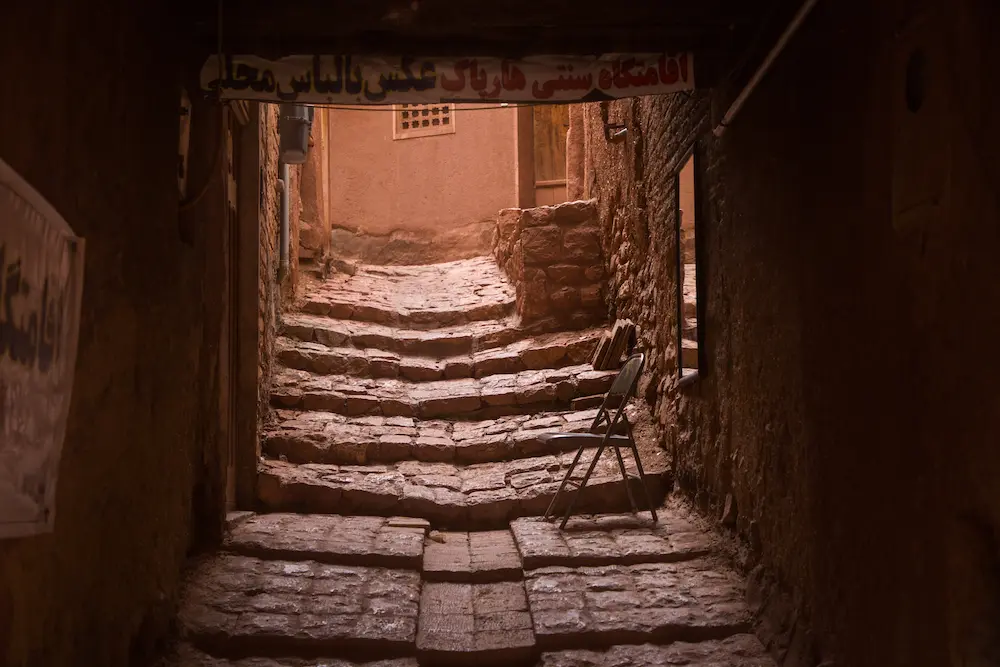
The architecture of the Abyaneh Village is a perfect synergy of function, material, and tradition, making it one of the most aesthetically pleasing and practical examples of mountainous habitat adaptation in Iran. The most distinguishing feature is the colour: almost all structures are built using reddish-brown adobe (clay) mixed with straw, sourced from a nearby mine. This naturally occurring red soil (Sarkh) gives the entire village its striking, cohesive red hue, blending the human settlement seamlessly into the slopes of the Karkas Mountains. The defining structural characteristic is the cascading, stepped formation. As the village is built on a very steep slope, houses are essentially stacked one upon the other, meaning the flat roof of a lower house functions as the courtyard or terrace of the house directly above it. This unique approach optimizes limited buildable land, aids in passive solar gain, and creates a communal flow, reinforcing social bonds. Traditional houses often feature wooden windows and balconies, interiors with a Howz Khaneh (pool house) and Ayvan (verandah), and an Aftab Ro, a small, enclosed space designed for maximum sunlight to dry food and provide warmth during winter. Sophisticated water management through Qanats and streams ensures precious mountain spring water is distributed for household use and irrigation of terraced fields below the village.

Unveiling Abyaneh's Historic Treasures

Explore the ancient sites and architectural wonders.

Journey Through Time: Abyaneh Tours

Curated experiences to immerse you in Abyaneh's charm.

Your Local Guides to Abyaneh

Expert insights for an unforgettable exploration.

Experiences in Abyaneh

Activities to enrich your visit to the Red Village.

Wander Through Red-Hued Alleys

Lose yourself in the labyrinthine alleys of Abyaneh Village, admiring the unique stepped architecture and the distinctive red adobe houses that blend seamlessly with the mountain landscape. Each corner offers a new photographic opportunity.

Engage with Locals & Discover Handicrafts

Interact with the friendly Abyanian people, known for their unique dialect and vibrant traditional attire. Discover local handicrafts and perhaps find a unique souvenir while experiencing their preserved ancient culture firsthand.

Capture Breathtaking Panoramas

Hike to the remains of Abyaneh Castle or other elevated spots for stunning panoramic views of the entire red village cascading down the mountainside, set against the dramatic backdrop of the Karkas range and the Barzrud valley.

Savoring Abyaneh: Local Flavors

Taste the authentic cuisine of the Karkas Mountains.

Dizi (Abgoosht)

A traditional, hearty lamb and chickpea stew, slow-cooked to perfection and often served with fresh bread. It's a nourishing and flavorful dish, perfect for the mountainous climate.

Kashk-o Bademjan

A delicious and savory dip made from roasted eggplants blended with Kashk (fermented whey), mint, and garlic. It's a popular appetizer or light meal in traditional Iranian homes.

Ash-e Jo (Barley Soup)

A wholesome and comforting barley soup, often prepared with vegetables, pulses, and herbs. This warm and nutritious dish is a staple in Iranian villages, especially during cooler months.

Plan Your Abyaneh Adventure

Essential tips for a seamless journey.

Best Time to Visit

The best time to visit Abyaneh Village is during spring (late March to late May) for mild weather and vibrant greenery, or autumn (late September to late November) for crisp air and stunning fall foliage. Summer is warm but tolerable due to elevation, while winter offers a unique snowy landscape but can be challenging for access.

Getting to Abyaneh

Abyaneh is best accessed by private transport. You can hire a driver for a day trip from Kashan (approx. 80 km) or Natanz (approx. 40 km). Organized tours from major cities like Kashan and Isfahan are also convenient. Public transport is very limited, usually requiring a combination of shared taxis and private hire for the final mountainous stretch.

Your Questions About Abyaneh

Answers to common queries about this historic village.

Ready to Experience Abyaneh?

Let DeyTrips craft your unforgettable journey to Iran's ancient Red Village, a place where history lives and traditions thrive.

Plan Your Trip Now