Kerman Travel Guide: Where Ancient History Meets Desert Majesty
Uncover the timeless wonders of Kerman, from UNESCO sites and vibrant bazaars to the breathtaking Kaluts of the Lut Desert.
About Kerman: Where History Meets the Desert
Kerman's Enduring Legacy: A Tapestry of Time and Culture
Kerman, often called the “City of Mines,” boasts an antiquity that predates even the inscriptions of Darius the Great. Its history is so profound that, as historian Jelen Aubin noted, “If one reads the history of Kerman, it is as if one has read the history of all of Iran.” Despite enduring numerous invasions from Alexander to the Mongols, and even the horrific acts of Agha Mohammad Khan Qajar, Kerman has never truly surrendered. Its resilient spirit and cultural depth remain defining characteristics.
The cultural life of Kerman is a beautiful tapestry woven from Persian identity and the unique challenges of the desert environment, manifesting in its enduring traditions, skilled handicrafts, and contributions to the arts. This blend has fostered a distinctive local culture.
Ancient Echoes: Jiroft and Beyond
Archaeological excavations in the region reveal that an advanced civilization, the Jiroft civilization, flourished here even before Mesopotamia, demonstrating sophisticated engineering, infrastructure, and even complex medical procedures. The history of human settlement in Kerman dates back to the fourth millennium BCE. Ancient texts confirm the presence of 'Kermanian' people, potentially one of the six original Persian tribes mentioned by Herodotus. Before the Aryans, indigenous tribes like the Aratta thrived along the fertile banks of the Hirmand River in southern Kerman.
Cultural Riches and Desert Traditions
Kerman’s inhabitants are deeply cultured, celebrating numerous Iranian festivals such as Nowruz, Sadeh, Chaharshanbe Suri, and Shab-e Yalda. Unique local customs also mark the holy month of Ramadan, including the '27th Night' ceremony where women seek rock candy, and youth chant 'Allah-e Ramazoni' poems. The region's harsh yet rich environment has profoundly influenced Persian literature and art, with works from poets like Khajou-ye Kermani reflecting its enduring spirit and connection to nature. The vastness of the Lut Desert continues to inspire artists with its silent grandeur.
Architectural Marvels and Desert Ingenuity
The architecture of Kerman is a direct response to its arid climate, blending practical cooling techniques with the grand artistic expressions of Persian civilization. This fusion creates structures that are both functional and breathtaking, showcasing a mastery of environmental adaptation and aesthetic beauty.
Oasis Gardens and Traditional Dwellings
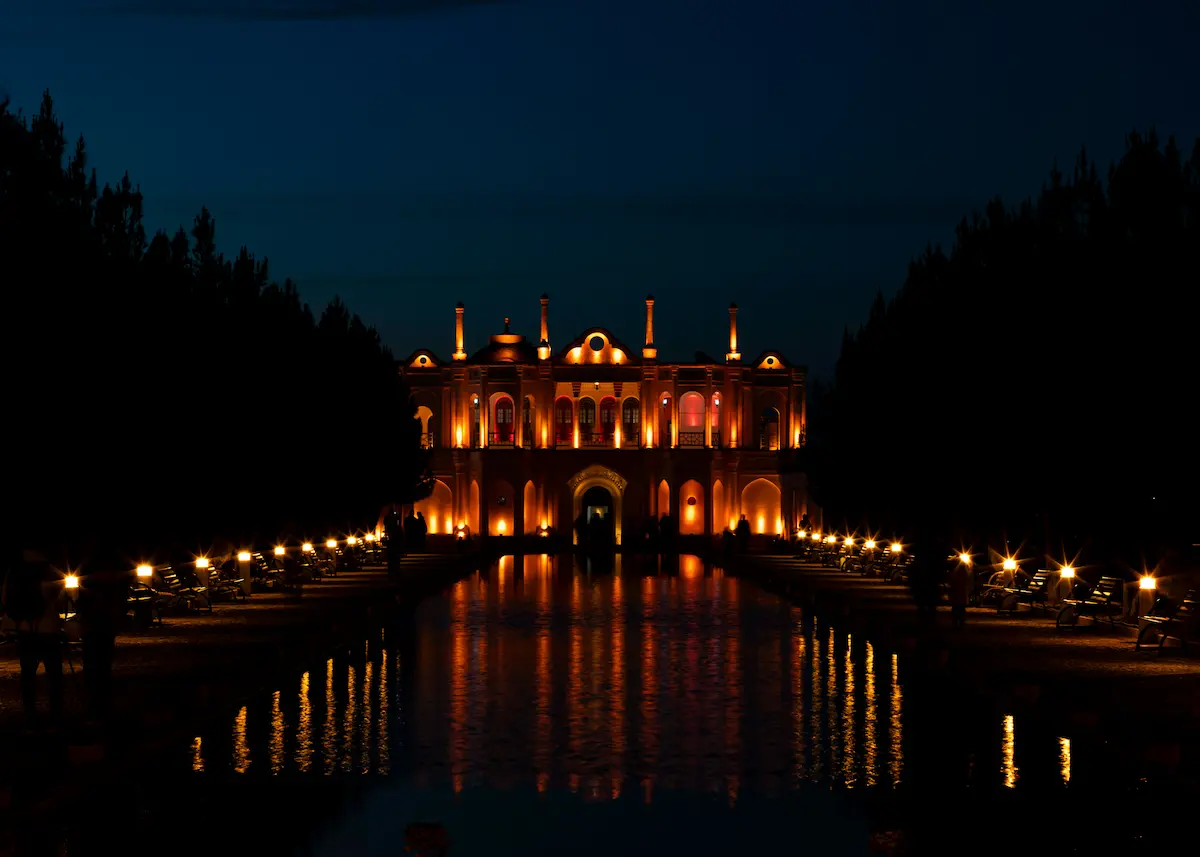
Traditional Kerman houses are ingeniously designed to maximize shade and natural cooling, featuring thick adobe walls, deep courtyards (Hayats) that act as micro-climates, and often subterranean rooms (Sardabs) for escaping summer heat. These courtyards frequently house a central pond and garden, offering a beautiful contrast to the surrounding desert. The UNESCO-listed Shazdeh Garden in Mahan epitomizes Persian Garden design, a miraculous oasis demonstrating ancient Persian engineering in channeling water through barren land.
Sacred Spaces: Mosques and Shrines
Religious architecture in Kerman is characterized by impressive tilework, towering minarets, and grand domes. The Jameh Mosque of Kerman stands as a stunning example, featuring a magnificent Iwan (entrance portal) and exquisite calligraphy. Shrines, such as the Shah Nematollah Vali Shrine in Mahan, showcase intricate Safavid and Qajar artistry, serving as vital spiritual and historical centers that reflect centuries of devotion and craftsmanship.
Kerman's Geographic Allure and Climate Diversity
Kerman is the largest province in Iran, serving as a major industrial, cultural, political, scientific, religious, and agricultural hub in the southeastern region. Geographically, much of the city is surrounded by mountains, with an average elevation of 1760 meters above sea level, making it one of Iran’s highest provincial capitals. Despite its vastness, the province has a relatively low population density, allowing for expansive natural landscapes.
Kerman experiences a diverse climate across its regions. The northern and northwestern parts are characterized by a dry and cold climate, while the south and southeast are warmer and more humid. Snow and rain are common from autumn through mid-spring, with temperatures gradually warming into spring and summer. This climatic diversity offers varied experiences depending on the season and specific region explored.
Iconic Wonders: Must-See Attractions in Kerman
Step into history and nature at Kerman's most captivating sites.

Bam Citadel
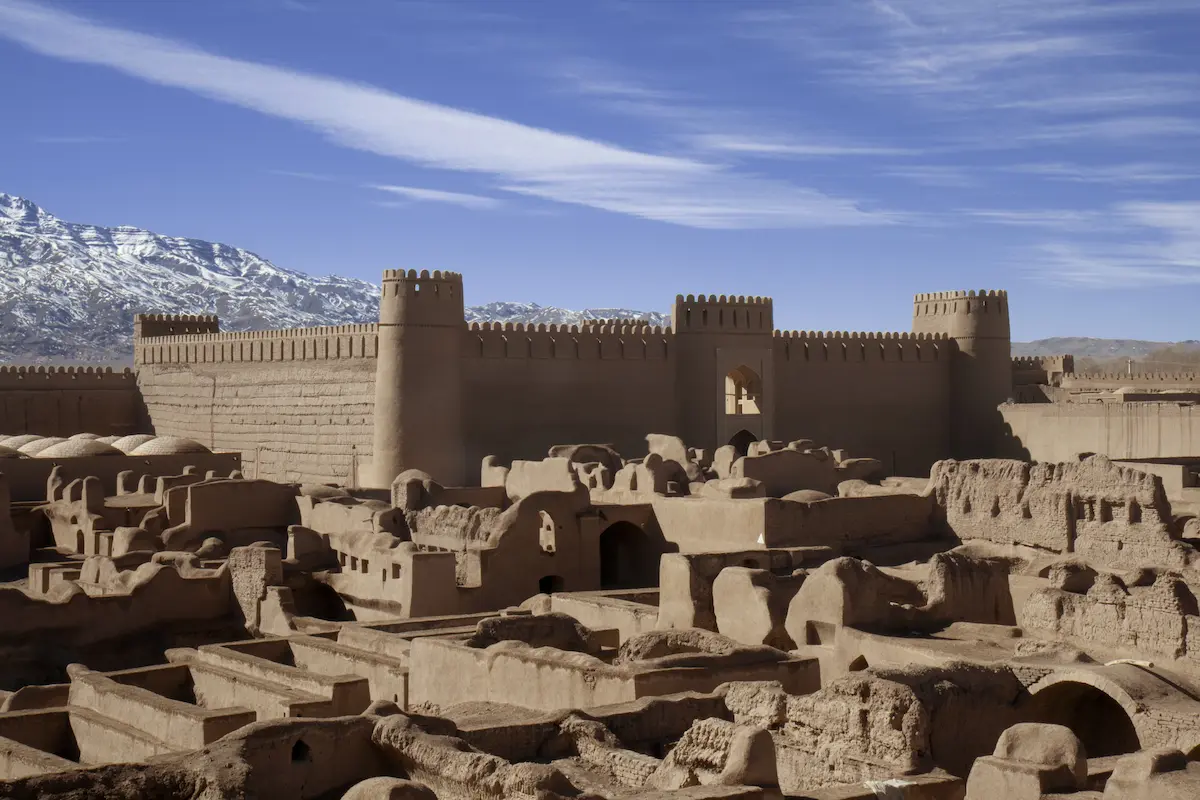
The Bam Citadel, or Arg-e Bam, stands as the largest mud-brick structure in the world, an awe-inspiring testament to the ingenuity and longevity of ancient Persian architecture. For two millennia, this magnificent fortress city rose from the Kerman desert, dominating the landscape and serving as a vital hub on the legendary Silk Road. Though tragically struck by a devastating earthquake in 2003, the Bam Citadel's story is not one of ruin, but of unparalleled resilience, global solidarity, and painstaking rebirth. A visit to Arg-e Bam is an essential pilgrimage for any serious traveler, offering a unique opportunity to walk through a completely preserved, ancient urban landscape and delve deeper into <a href="/iran-attractions/historical">Iran's historical attractions</a>.
Lut Desert
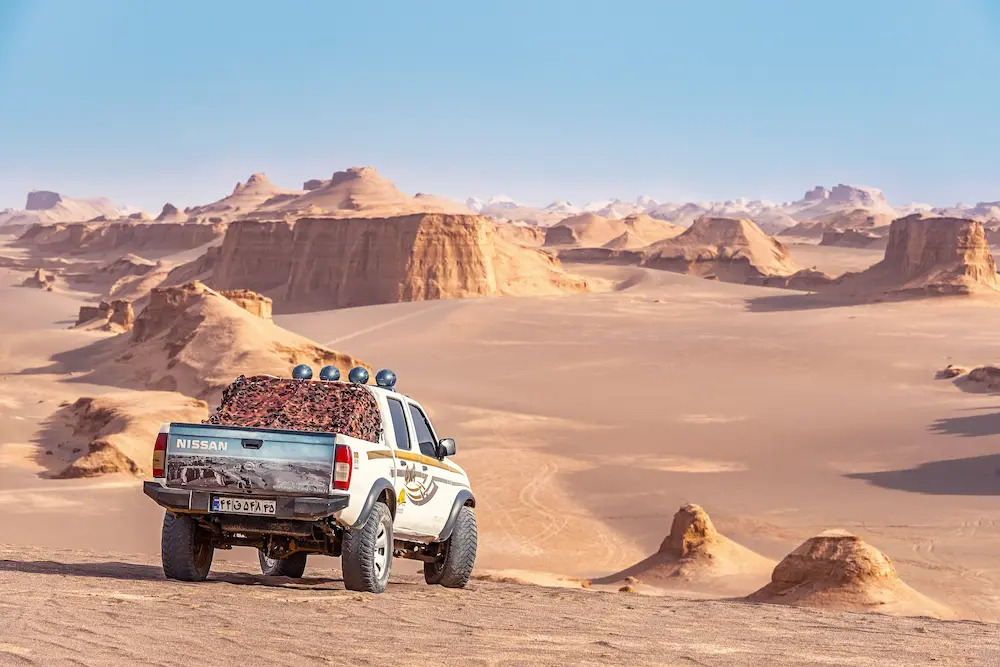
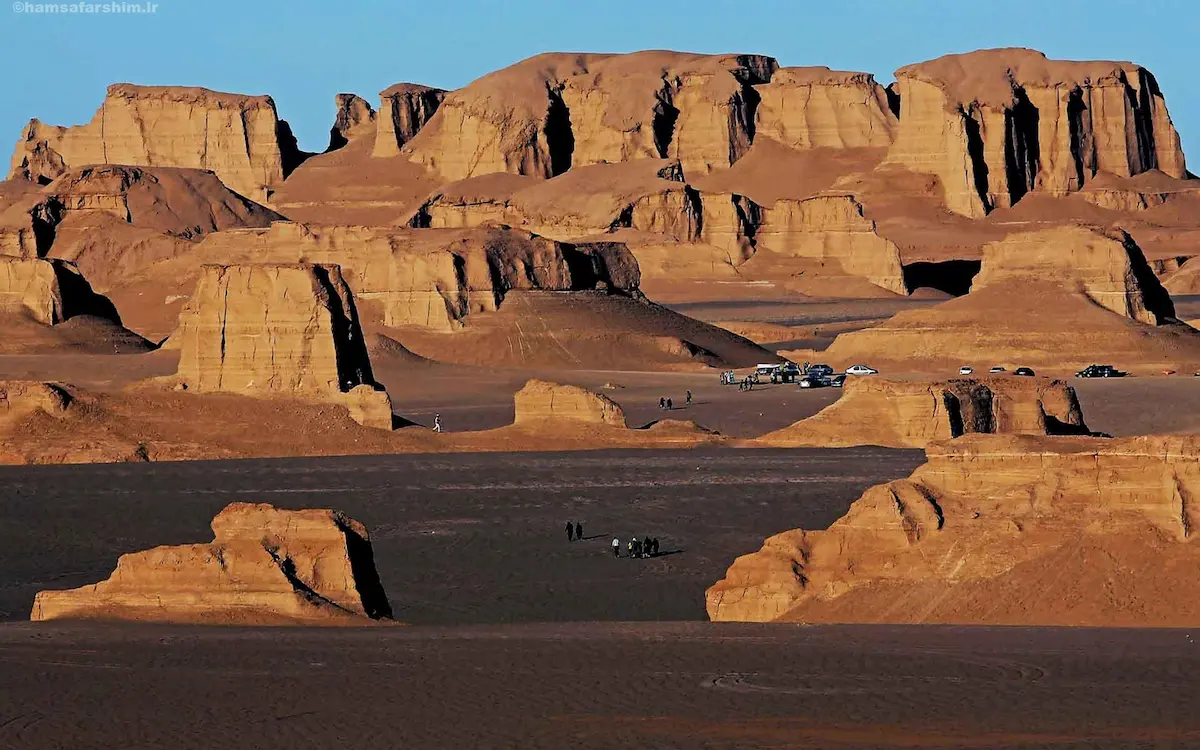
The Lut Desert, known locally as Dasht-e Lut, is one of the world's most compelling and mysterious natural wonders. For many, the image of Iran is one of <a href="/iran-attractions/historical">ancient bazaars and ornate mosques</a>, but the Lut Desert, Iran, reveals a different, wilder side of the country—a landscape of geological extremes, profound silence, and haunting beauty. This is not merely a destination; it is a pilgrimage into the vast, raw heart of the Earth, offering a humbling perspective on time and nature. This comprehensive guide invites you to explore the secrets held within the shifting sands and towering formations of this iconic desert, a landscape so unique it has been granted the highest global recognition.
Curated Journeys: Explore Kerman with Expert Tours
Uncover Kerman's treasures with our specialized historical, cultural, and desert expeditions.
Local Insights: Your Expert Kerman Guides
Enhance your journey with experienced local guides who bring Kerman's stories to life.
Beyond the Sights: Unforgettable Experiences in Kerman
Immerse yourself in Kerman's vibrant culture and breathtaking landscapes.
Wander Through the Kerman Grand Bazaar
One of the oldest and longest covered bazaars in Iran, the Kerman Grand Bazaar is a vibrant artery of the city. Lose yourself in its maze of alleys, from coppersmiths' rhythmic hammering to the rich aroma of spices. It's the best place to find unique souvenirs and interact with local merchants.
Explore the Ganjali Khan Complex
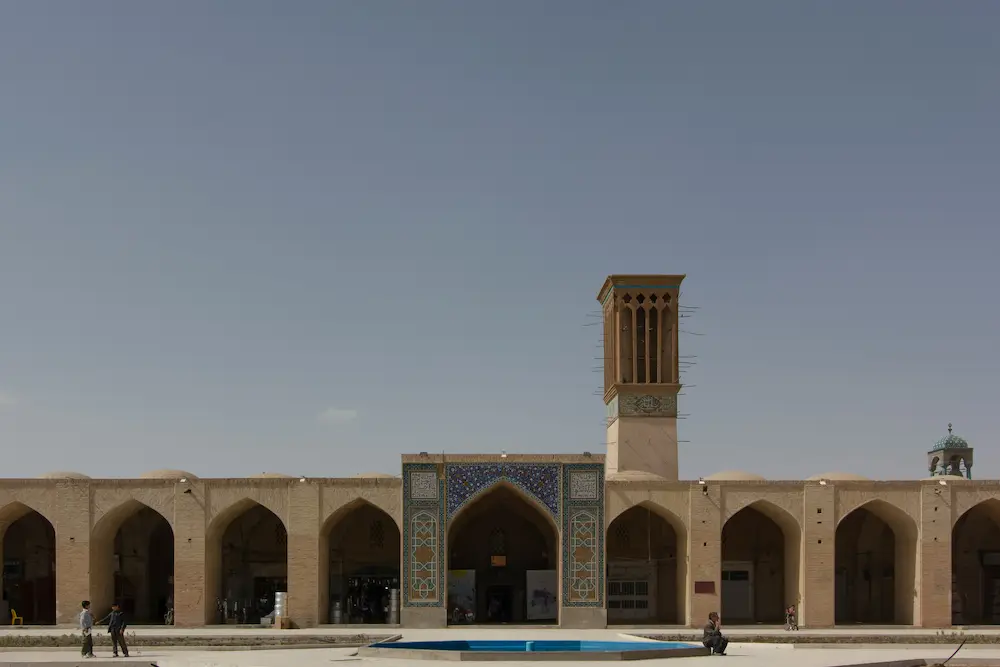
This magnificent Safavid-era complex is the beating heart of old Kerman, featuring a beautiful square, mosque, caravanserai, and a stunning bathhouse converted into an anthropology museum. The Ganjali Khan Bathhouse, with its intricate tilework and frescoes, is a must-see.
Take a Trip to the Lut Desert and its Kaluts
A visit to Kerman is incomplete without venturing into the otherworldly landscapes of the Lut Desert. Witness the massive 'Kaluts' or yardangs, sand and earth formations carved by wind erosion, especially surreal at sunset when the sky paints the formations in fiery colors.
A Taste of Kerman: Culinary Delights
Savor the unique flavors and traditional dishes of Kerman.
Boz Qormeh
A hearty and famous stew made with mutton, chickpeas, and a generous amount of Kashk (whey), offering a rich and comforting flavor unique to Kerman.
Qavoot
Kerman’s most famous sweet; an energy-boosting powder made from a mixture of ground seeds, nuts, spices, and grains, including fragrant cumin – a must-try local delicacy.
Komach-e Sehan (کماچ سهن)
A traditional Kermani cake made with wheat sprouts flour, dates, walnuts, and aromatic spices, perfect for pairing with tea.
Plan Your Perfect Kerman Adventure
Essential tips and information for a seamless and memorable trip.
Best Time to Visit Kerman
The best time to visit Kerman is during the spring (March - May) and early autumn (late September - early November). During these periods, the weather is mild and pleasant, ideal for sightseeing and exploring both the city and the desert landscapes. Spring brings comfortable temperatures and blooming nature, while early autumn offers a welcome break from the summer heat, with very suitable temperatures. Winters can be severely cold, and summers are extremely hot, especially in the Lut Desert, making outdoor activities challenging or even dangerous.
Getting Around in Kerman
Navigating Kerman is relatively straightforward. The historical core, including the Grand Bazaar and Ganjali Khan Complex, is best explored on foot. For longer distances within the city, taxi apps like Snapp and Tapsi (similar to Uber) are widely used, affordable, and highly recommended. Local buses are an extremely low-cost option for main routes. For visiting remote attractions such as the Lut Desert, Bam, or Meymand, booking guided tours is essential for safety, convenience, and an optimal experience. Deytrips provides professional tour services for all destinations.
Related Destinations
.webp&w=3840&q=75)
Your Kerman Questions Answered
Find quick answers to common inquiries about visiting Kerman.
Ready to Explore the Heart of Persia?
Let Deytrips craft your unforgettable journey to Kerman, a city where ancient wonders meet desert grandeur. Contact us to start planning your bespoke adventure.
Plan My Kerman Trip