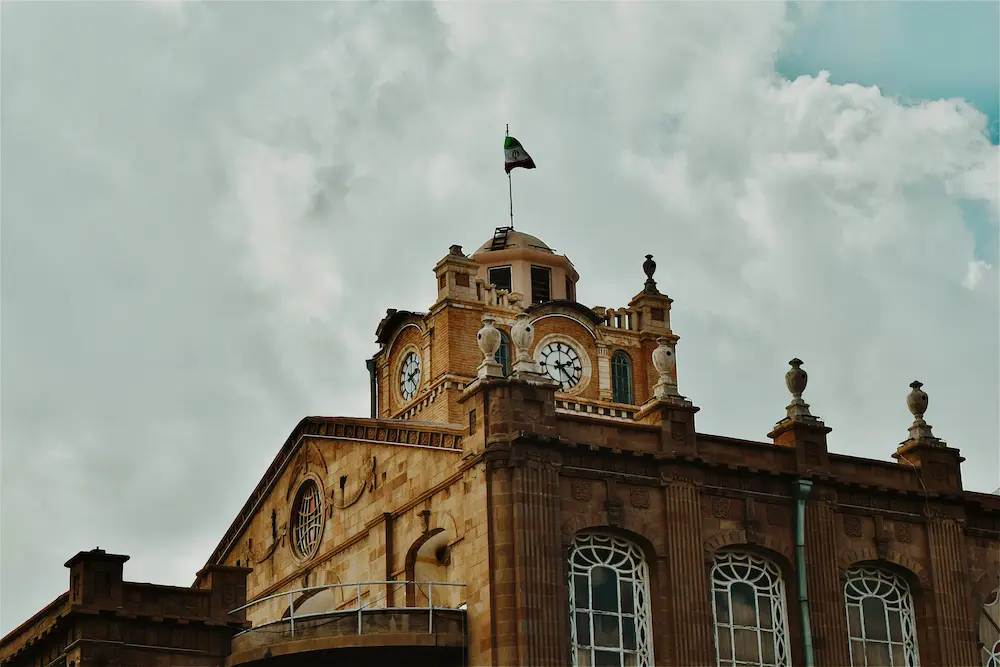
Tabriz Travel Guide: Uncover the 'City of Firsts' and UNESCO Grand Bazaar
Explore Tabriz, a city where ancient history meets modern spirit, famous for its vibrant culture, exquisite cuisine, and unparalleled hospitality.
Welcome to Tabriz: The City Where History and Modernity Converge
Tabriz city is a study in contrasts: ancient, yet a cradle of Iranian modernity. While its history dates back over three millennia, it was at the forefront of modern trends, with the first signs of modernity appearing here in the mid-19th century. Yet, this forward-looking nature coexists with sites like the Tabriz Grand Bazaar, a UNESCO World Heritage Site that has been a vibrant trade hub since before the Safavid era. Recognizing its significance, Tabriz was crowned the Islamic Tourism Capital in 2018.
If you ask an Iranian what comes to mind when they hear “Tabriz,” the answer will likely be: authentic culture, a history rich in arts and politics, majestic and flavorful cuisine, gracious hospitality, and the sheer scale of its Bazaar. With this comprehensive Tabriz travel guide, you are invited to visit Tabriz and discover its multifaceted charm.
History of Tabriz: A Legacy of Resilience and Renewal
Ancient and Early Civilizations
In early Islamic history, Tabriz was initially a small village. Its first great flourishing occurred under the Rawadid dynasty and with the settlement of the Arab Azd tribe, beginning a four-century period of growth.
Medieval and Islamic Periods
Most importantly, Tabriz was the first capital of the Safavid Empire, which established Shia Islam as the official religion of Iran. This solidified Tabriz’s role as the first capital of the Shia world (Dār al-Tashayyu’). Its prime location on the Silk Road transformed it into a bustling center of commerce, which led to a rich exchange of not just goods but also cultures and ideas. This is why when you visit Tabriz, you find such a deep integration of various influences.
Modern History: The Cradle of Iranian Modernity
Crucially, Tabriz became the spark of the Iranian Constitutional Revolution (1905-1911), successfully rising against the despotism of Mohammad Ali Shah. The spirit of democracy, freedom, and rule of law first took firm root here. This commitment to political and social advancement cemented its role as a pioneering city, ensuring its historical significance is not only ancient but also thoroughly modern.
Tabriz and Persian Culture: A Tapestry of Traditions and Arts
Local Traditions and Festivals
Local customs that define the Tabriz city experience include:
- Aşıq Khāni (Aşıq Music): The traditional art of the Aşıq, a traveling minstrel or bard who sings and plays the stringed saz.
- Takam Gardāni: A pre-Islamic new year ritual involving a person dressed in a goat costume dancing in the streets.
- Aşırha Local Wrestling: A local form of wrestling competition.
- Azeri Dance: Vibrant and energetic traditional dances are performed during celebrations.
Handicrafts and Souvenirs: Treasures from the World City of Carpet Weaving
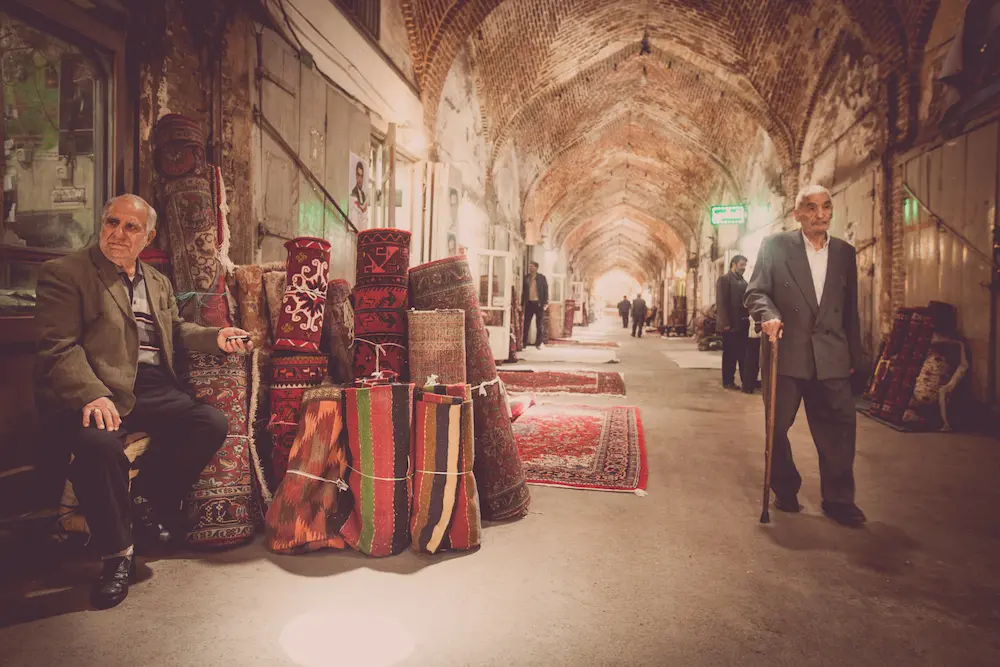
Tabriz Carpet: The city’s most prized product. Spending hours in the carpet section of the Tabriz Grand Bazaar is a mesmerizing experience. These hand-woven Persian rugs are highly valuable and represent the ultimate gift for a “loved one.”
Sweets and Nuts: Tabriz is often called the city of sweets and nuts (Ajīl). Popular local sweets include:
- Eris (Ris): A cube-shaped confection made from milk, sugar, cocoa, and vanilla, best enjoyed with hot tea.
- Nouga (Luqa): A nougat-like sweet, similar to Gaz, made from egg whites, sugar, walnuts, and Mīkādo wafer bread.
- Bāqlavā (Baklava): Considered by many to be the best version in Iran, this is a flaky pastry rich with cardamom, pistachios, almonds, and coconut.
Lighvan Cheese: A rich, highly regarded, salty Iranian cheese produced in the nearby Lighvan Valley—a mandatory, delicious souvenir.
The Tabriz Grand Bazaar is the primary spot for most shopping, but modern malls like Laleh Park and Atlas Shopping Center offer contemporary retail experiences.
Influence on Persian Literature and Art
- Shams-e Tabrīzī: The spiritual mentor of Rumi, whose influence is foundational to Sufi poetry.
- Sā’eb Tabrīzī: One of the greatest masters of the Indian style of Persian poetry.
- Mohammad Hossein Behjat-Tabrīzī (Shahriyār): The immensely popular poet who wrote both in Persian and Azerbaijani Turkic.
These literary giants have deeply enriched the cultural fabric of Iran and the wider Persianate world.
Architectural Marvels of Tabriz
Traditional Houses and Courtyards
- Constitution House (Khāneh-ye Mashrūteh): The political heart of the Constitutional Revolution, famous for its magnificent architecture and historical significance.
- Ali Musiū House: Another historically significant residence connected to the Constitutional era.
These homes often feature high ceilings and courtyards, though adapted to the cooler climate compared to central Iran.
Religious Monuments (Mosques & Shrines)
- The Blue Mosque (Masjed-e Kabūd): A magnificent 15th-century mosque, heavily damaged by an earthquake but renowned for its exquisite blue tilework and calligraphy, making it one of Iran’s most famous structures.
- Saint Stephen Monastery (Jolfa): A UNESCO World Heritage Site located near Tabriz (in Jolfa), it is a stunning example of Armenian architecture and a powerful symbol of the city’s historical religious tolerance.
- Catholic Church (Qā’em Maqām Fārāhānī): Reflects the historical presence and religious diversity fostered by the Silk Road.
Tabriz Grand Bazaar and Urban Planning
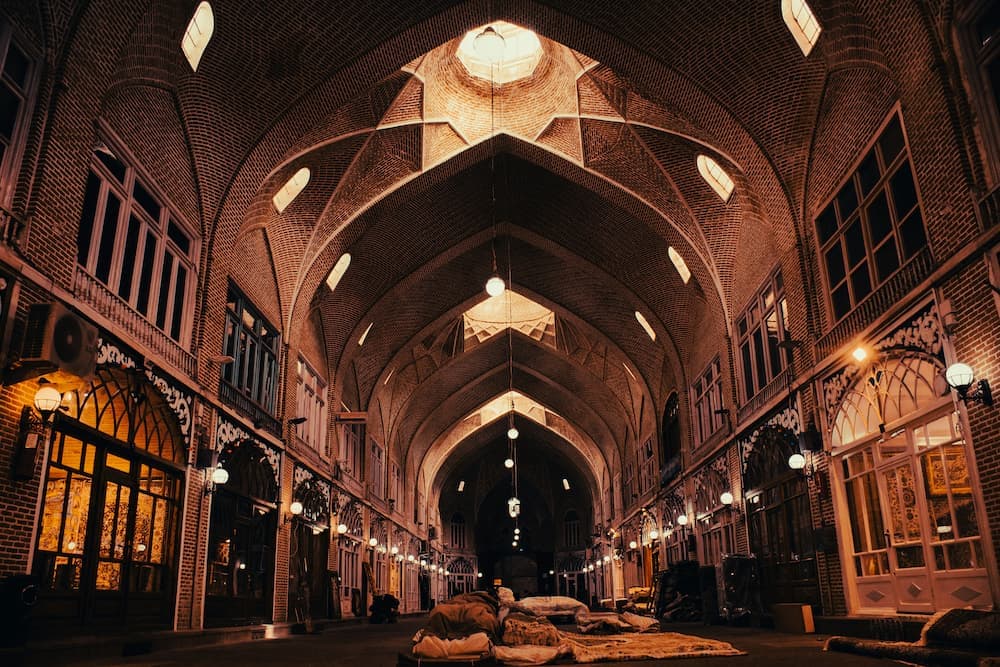
- Largest Connected Bazaar: As the world’s largest covered, interconnected market, its vast complex of caravanserais, mosques, and timchehs (domed halls) has served as the urban core for centuries.
- Specialized Sections: The bazaar is organized into specialized sections (rastehs) for specific trades, such as jewelers, shoemakers, glass sellers, and carpet weavers, making it a living museum of Persian commerce.
Top Attractions in Tabriz
A deep dive into the historical heart of Tabriz, featuring iconic landmarks that narrate Iran's glorious past. From the magnificent bazaar to stunning mosques and palaces, these sites are a must-see.
.webp&w=3840&q=75)
Arasbaran National Park
Nestled in Iran's East Azerbaijan Province, Arasbaran National Park is a breathtaking UNESCO Biosphere Reserve, renowned for its unparalleled biodiversity and dramatic landscapes. This Trans-Caucasian gem offers a unique blend of ecological richness and historical significance, forming a vital bridge between the arid Iranian plateau and the lush Caspian region. Visitors can explore ancient forests, spot rare wildlife, and delve into the rich cultural tapestry of the region, making it an essential destination for those interested in <a href="/iran-attractions/historical">Iran's historical and natural attractions</a>.

El Goli Park, Tabriz
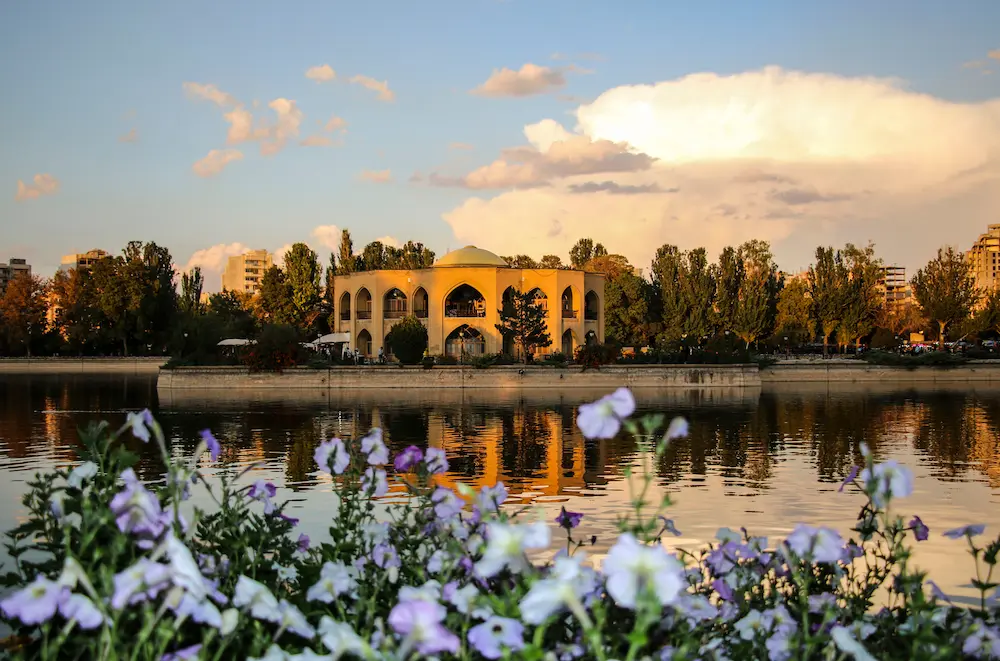
Step into <a href="/iran-attractions/historical">El Goli Park</a>, and you’ll immediately understand why this spectacular green space has been the favored retreat of Tabriz’s rulers for centuries. Far more than just a public park, El Goli Park is a historical centerpiece, a marvel of Persian landscape architecture, and the emotional heart of the city. Built around a stunning artificial lake and centered on an elegant octagonal palace, this royal oasis provides a perfect blend of history, natural beauty, and modern recreation. It stands as a vivid testament to the grandeur of Tabriz, inviting both locals and travelers to pause and enjoy its tranquil atmosphere.
Tabriz Grand Bazaar
Step into the Tabriz Grand Bazaar, and you are entering not just a market, but the living, breathing economic and cultural artery of northwestern Iran. As the world’s largest covered traditional bazaar, this architectural masterpiece stands as a powerful testament to the city of Tabriz’s pivotal role on the historic Silk Road. Dating back over a millennium, the Tabriz Bazaar reached the peak of its glory in the 13th century when Tabriz served as the capital of the Safavid Empire, transforming it into the most important commercial hub between the East and the West. More than a simple exchange of goods, a journey through this labyrinthine structure is an essential exploration of Persian history, sophisticated urban planning, and the enduring spirit of commerce, offering a unique glimpse into Iran's rich <a href="/iran-attractions/historical">historical attractions</a>.
Curated Tabriz Tours & Excursions
Experience the best of Tabriz with expertly guided tours, from cultural walks to culinary adventures tailored to your interests.
Connect with Local Tabriz Guides
Enhance your journey with knowledgeable local guides who share unique insights into Tabriz's rich heritage, history, and vibrant culture.
Things to Do in Tabriz: Experience the City Like a Local
Beyond the famous landmarks, Tabriz offers a vibrant array of activities and experiences that immerse you in its daily life and unique charm.
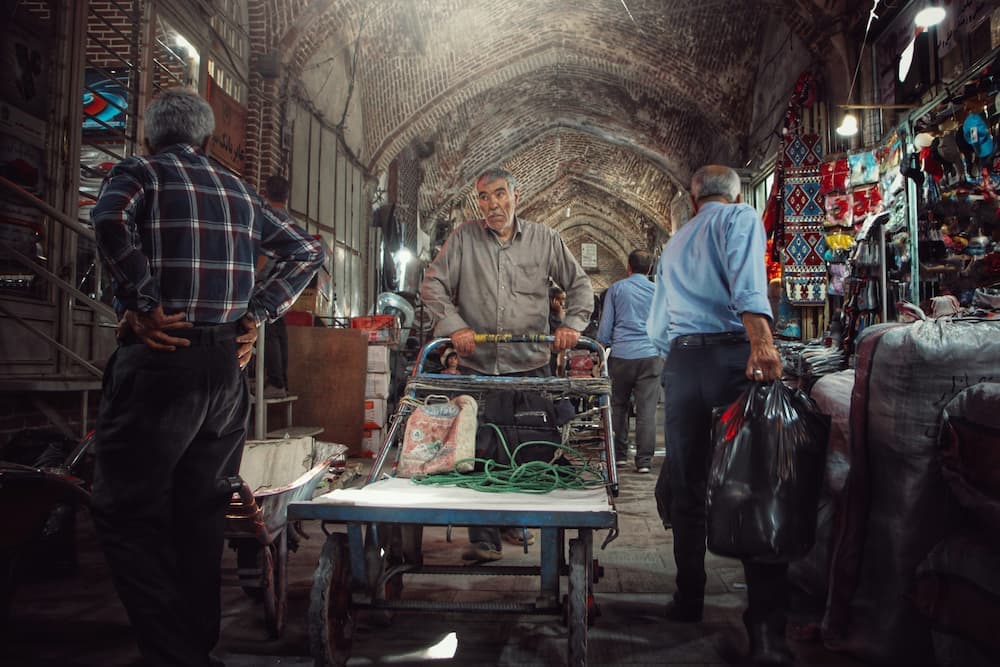
Immerse Yourself in the Grand Bazaar
Spend a half-day or more wandering through the world's largest covered market. Don't just shop; observe the architecture, the specialized sections, and the unique food vendors.
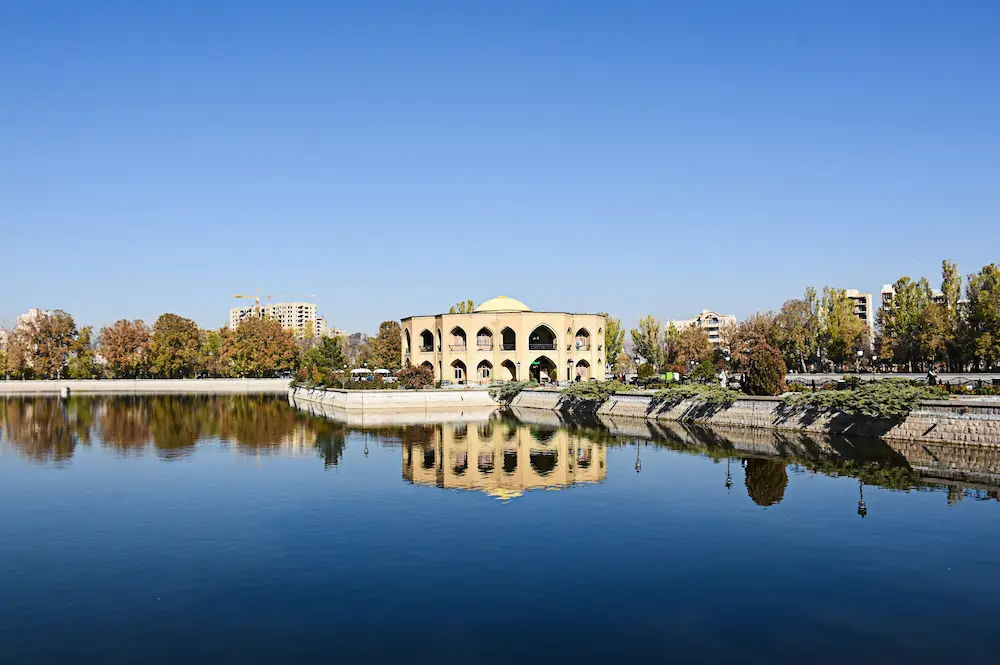
Explore El Goli Park
Relax at the city's iconic park, Eynali. Stroll around the central lake and admire the historical mansion, a perfect place to unwind in Tabriz city.
Hike or Take the Cable Car up Eynali
Head to the Eynali Mountain (On ibn Ali) to get breathtaking panoramic views of the city, especially beautiful at sunset.
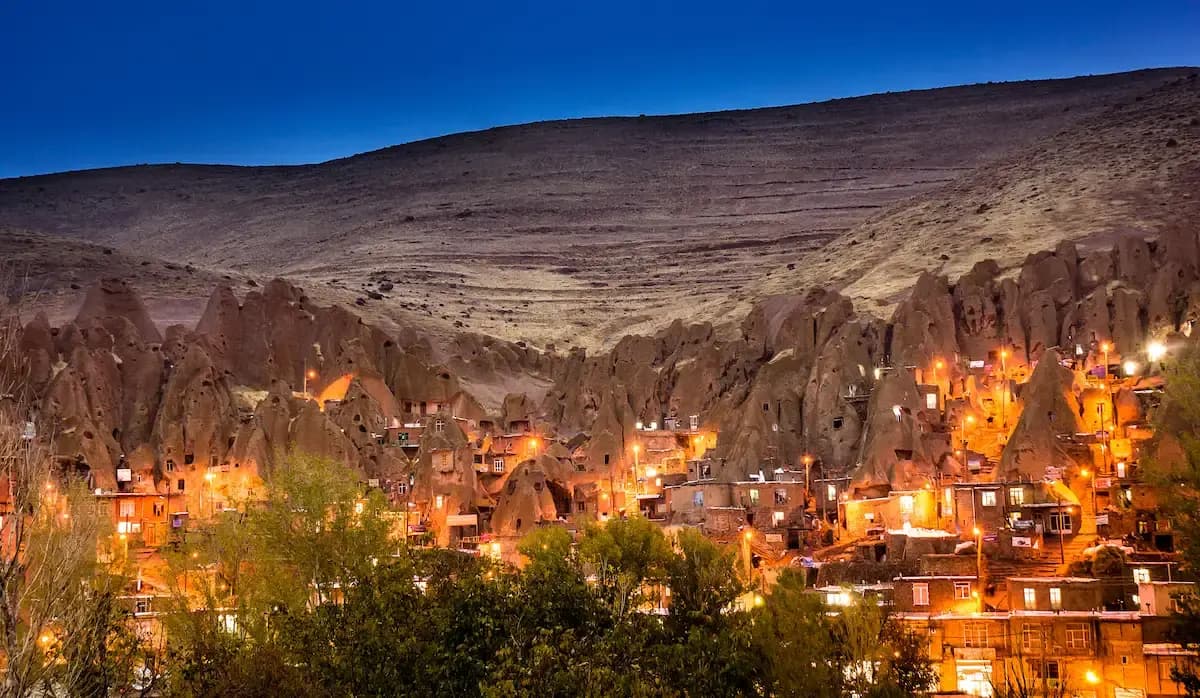
Visit Kandovān Village
Take a day trip to this unique, ancient village near Tabriz, where people live in cone-shaped cliff dwellings (troglodyte homes), often compared to Cappadocia.
A Taste of Tabriz: Culinary Delights
Tabriz dishes are diversified and their aroma and taste can be felt even from their photos! Famous examples include Koofteh Tabrizi, Ash-e Anar, and various hearty stews. This part of our Tabriz guide is for the foodies.
Kufteh Tabrizi
A giant, flavorful meatball, often stuffed with eggs, plums, walnuts, and vegetables, a true signature dish of Tabriz.
Ash-e Anar
A hearty pomegranate soup, rich in flavor, often made with various grains, herbs, and sometimes small meatballs, a delightful vegetarian option.
Qorabiye
The most famous dessert in Tabriz, a delicious almond cookie that is often served with tea. It's a delightful treat you'll find in almost every pastry shop.
Planning Your Trip to Tabriz
Top Travel Tips for Your Tabriz Trip: Essential Things to Know to ensure your journey is as smooth and enjoyable as possible.
Best Time to Visit Tabriz
Getting Around Tabriz
Related Destinations
.webp&w=3840&q=75)
Frequently Asked Questions About Tabriz
Get quick answers to common questions about visiting Tabriz, its culture, and attractions.
Ready to Discover the Charms of Tabriz?
Embark on an unforgettable journey through the historical 'City of Firsts'. Let us craft your perfect Tabriz adventure, blending cultural immersion with local experiences.
Plan Your Tabriz Trip