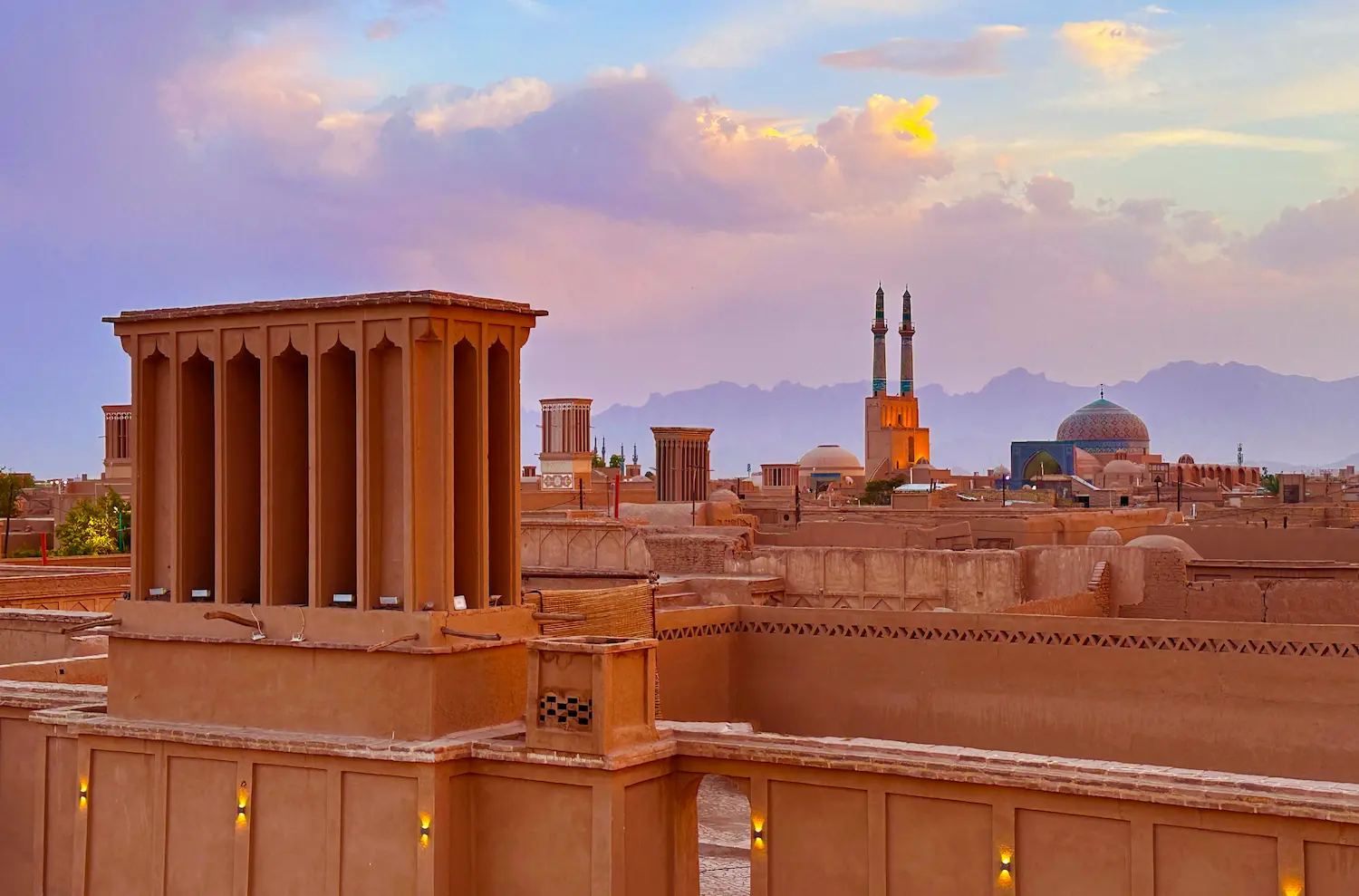
Yazd Travel Guide: Explore the Ancient Oasis of Water and Fire
Step into a timeless desert city, a UNESCO World Heritage site alive with windcatchers, ancient traditions, and unparalleled hospitality.
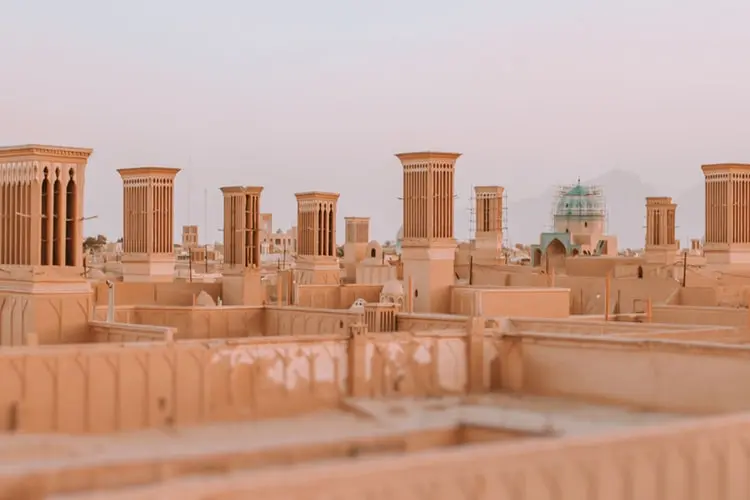
Welcome to Yazd: Where Desert Ingenuity Meets Enduring Culture
Why Visit Yazd: A UNESCO Gem in the Heart of Iran
UNESCO World Heritage Status & Architectural Wonders
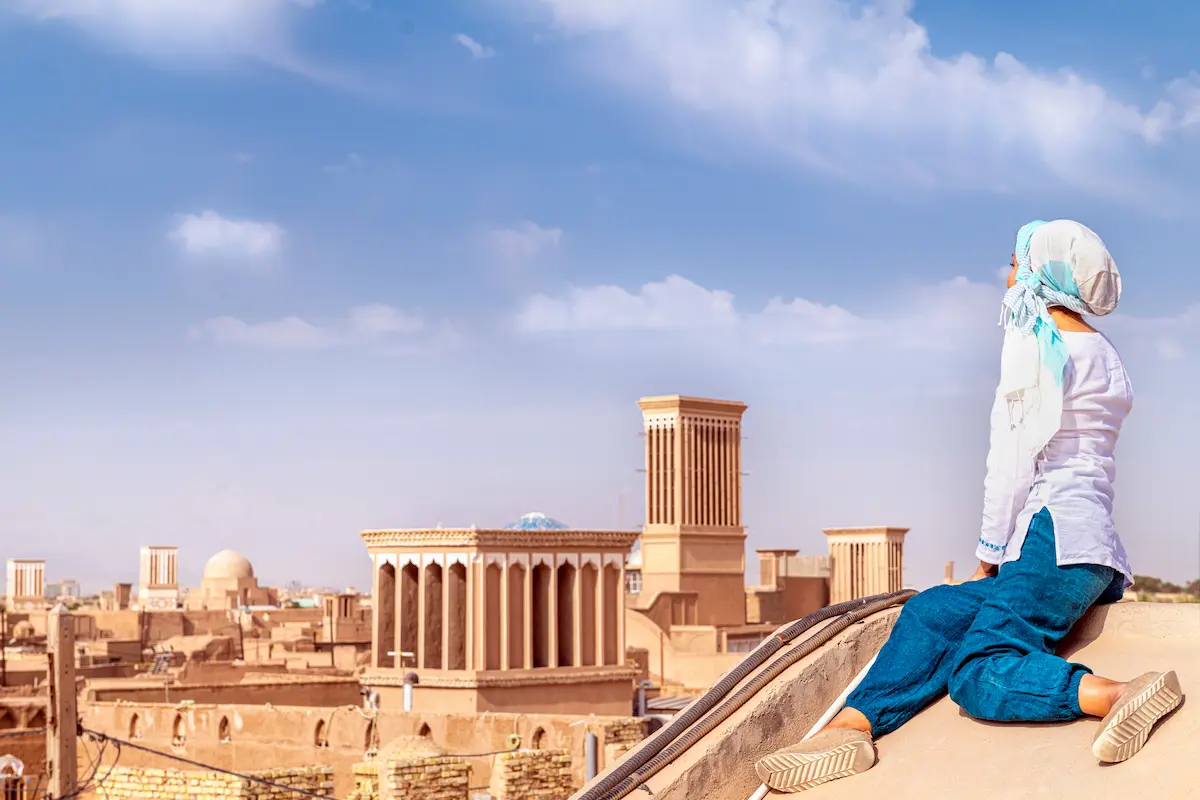
Yazd's perfectly preserved, ancient mud-brick city fabric makes it a unique and essential UNESCO World Heritage site for any serious traveler. As the 'City of Windcatchers,' it is a living museum of sustainable desert architecture, showcasing ingenious qanats (underground aqueducts) and ābnarbārs (cisterns) that are masterworks of engineering.
Cultural Authenticity & The Golden Triangle
The region has maintained a deep, sincere religious devotion (both Islamic and Zoroastrian) and a renowned culture of perseverance and hard work. Yazd forms a crucial corner of Iran’s “Golden Triangle” of tourism, linking it with the iconic cities of Isfahan and Shiraz. The genuine kindness and hospitality of the locals ensure that travelers who visit Yazd will hold fond memories and often choose to return.
The Enduring History of Yazd: From Ancient Times to Modern Resilience
Ancient Origins and Spiritual Significance
Historically, Yazd was known by names such as Isātis (meaning 'city with a powerful spring or qanat') during the Achaemenid era, and Kashteh, a term some link to the qanat system. The Sassanian era brought the name Yazdāngerd, potentially inspired by Yazdān (God), hinting at a holy land. The current name, Yazd, originates from the Middle Persian word Yazish, meaning worship and praise, and Yazdān, meaning pure or Holy Land/City of God. After the advent of Islam, Yazd continued to thrive, earning titles like Dār al-Ibādeh (Abode of Worship) during the Seljuk era, recognizing its sacred status, and Dār al-‘Elm (Abode of Knowledge) during the Muzaffarid dynasty, highlighting its growth in culture and education.
Preservation Through Isolation and Pluralism
Yazd’s geographic isolation, though challenging, proved to be its greatest strength, protecting its culture and architecture from the ravages of war and allowing its traditions to persist unbroken. In the modern era, Yazd has solidified its place as a unique center of religious pluralism, home to the world’s largest concentration of Zoroastrians, who live peacefully alongside the Muslim majority. This dedication to preserving its ancient mud-brick fabric culminated in the successful designation of Yazd as a UNESCO World Heritage site in 2017, ensuring its historical integrity for future generations.

Yazd's Unique Culture and Desert Architecture
Architectural Genius: Windcatchers, Qanats, and Courtyard Houses
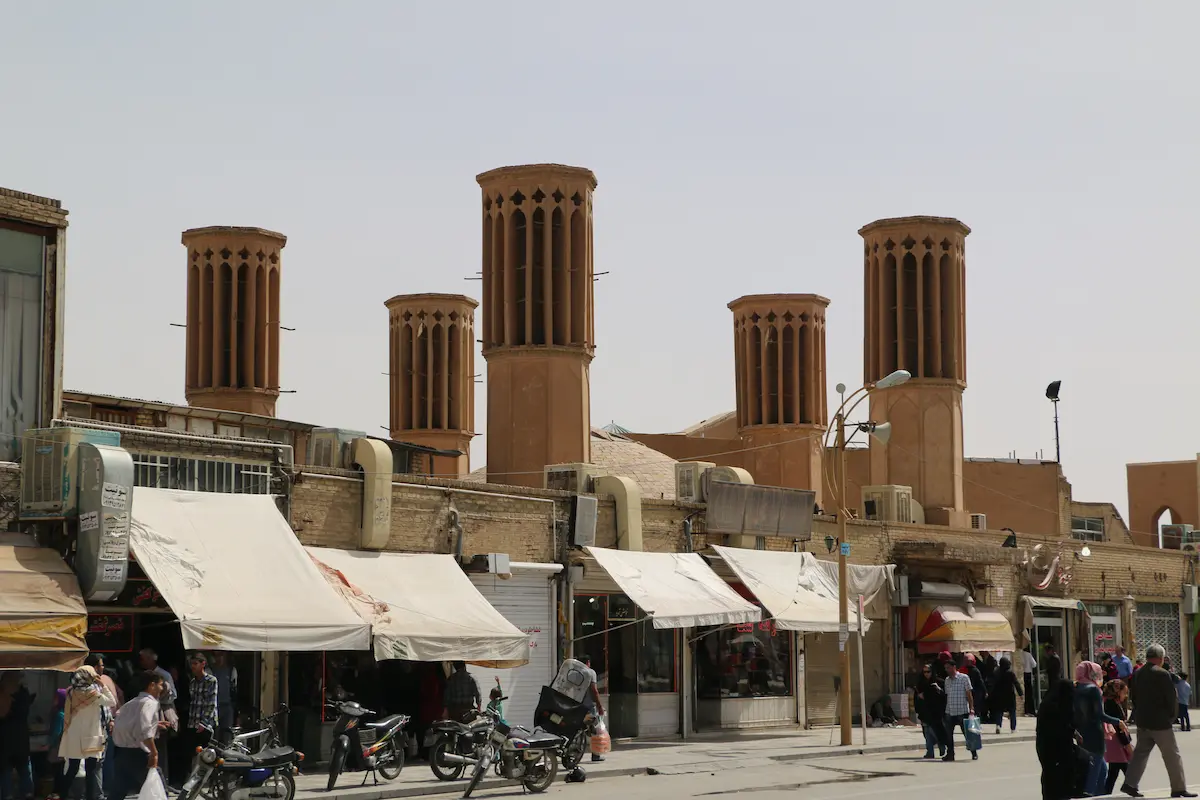
Yazd's architecture is a genius response to the hostile desert climate, focusing on ventilation, water preservation, and thermal efficiency—earning it the moniker 'City of Windcatchers'. The characteristic mud-brick houses of the Yazd UNESCO World Heritage zone are built with thick walls to regulate interior temperatures. Many feature a courtyard with four distinct sections for seasonal use. Windcatchers (Bādgīr) are essential; these towers capture cooling breezes from above, funneling them into homes or water reservoirs. Traditional houses, such as the Lārīhā House, now often function as boutique hotels or museums, offering direct experience of this unique desert lifestyle. Beyond homes, monumental structures like the Jameh Mosque of Yazd, with the world's tallest minarets, and the ancient Zoroastrian Fire Temple (Ātashkadeh), housing a fire burning for over 1,500 years, define the city's religious landscape. Dowlat Abad Garden, a UNESCO Persian Garden, showcases one of Iran's tallest windcatchers and an ingenious qanat system, while the Amir Chakhmaq Complex exemplifies urban design integrating mosque, market, and public space.
A Tapestry of Traditions, Crafts, and Culinary Delights
Yazdi culture, due to its historical isolation, has been resilient against outside changes, preserving many ancient customs, some dating back to the pre-Islamic era. Festivals like the Zoroastrian Sadeh Festival and the deeply felt Mourning of Muharram are celebrated with immense fervor, alongside national holidays such as Norouz and Yalda. The people of Yazd are known for their hard work, patience, and resilience, qualities born from desert living, and strong family bonds. A Yazd Travel Guide must highlight the city’s world-renowned crafts, reflecting centuries of textile and ceramic excellence, including luxurious Termeh fabrics, durable Zīlū rugs, and unique Ceramics and Pottery from Meybod. Yazd is Iran’s undisputed capital of confectionery, with must-try sweets like Bāqlavā, Ghotāb, Pashmak, and Hājī Bādām. These cultural elements, intertwined with the preservation of the purest form of Persian language (Dari), define Yazd’s unique identity.
Iconic Landmarks: Must-See Attractions in Yazd
Discover the historical heart of the world's first mud-brick city, from ancient prisons to soaring mosques and serene gardens.
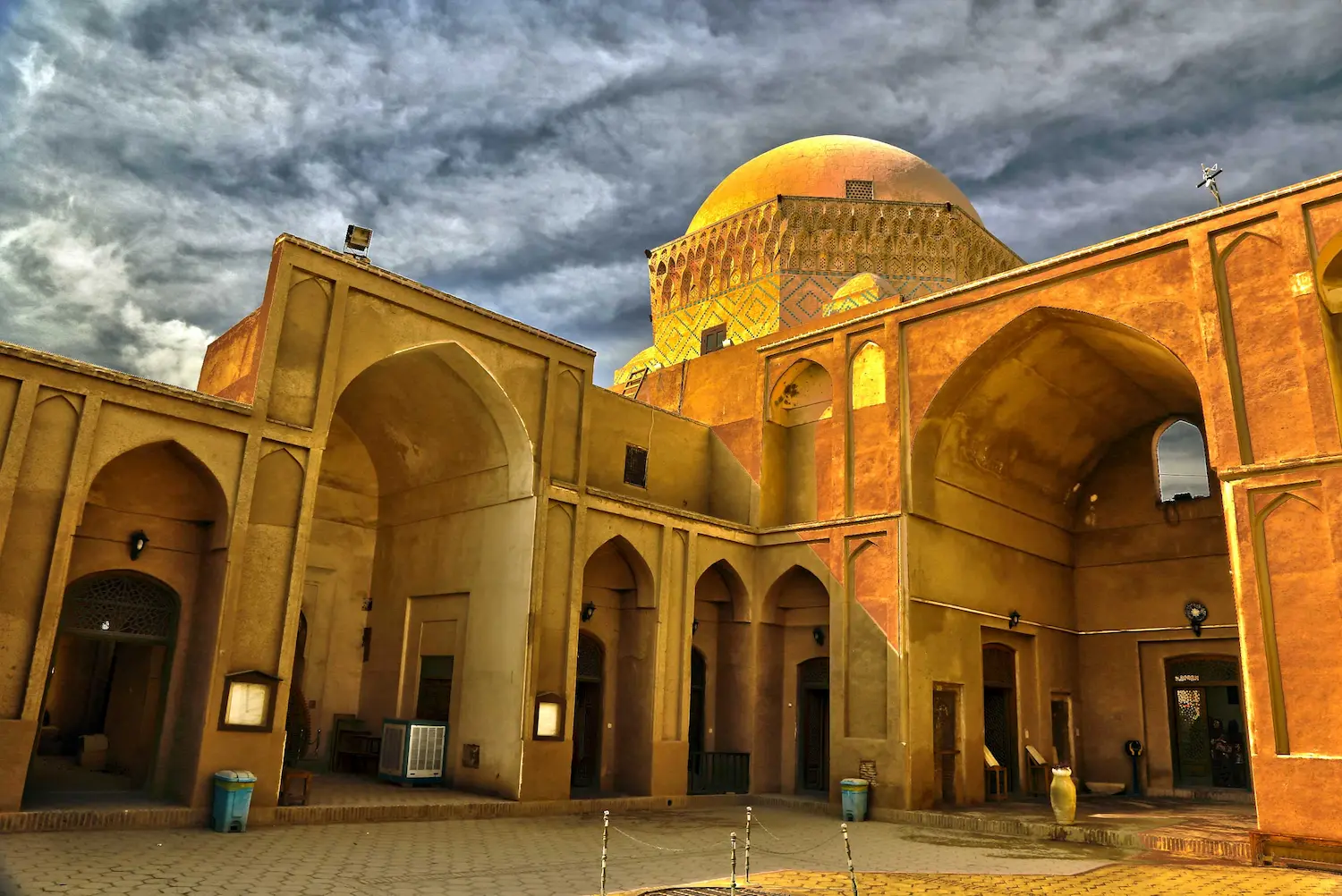
Alexander's Prison Yazd
Step into the heart of Yazd's ancient labyrinth and discover one of the city's most famous and enigmatic monuments: Alexander's Prison Yazd. Known locally as Zendan-e Eskandar, this towering structure captivates visitors not just with its beautiful dome and architecture, but with the grand historical myth attached to its name. Is it truly a relic of Alexander the Great's conquest, or does it hold a different, deeper secret? This comprehensive guide will navigate the history, the architectural beauty, and the practicalities of visiting this compelling site deep within the UNESCO World Heritage city, offering a unique glimpse into <a href="/iran-attractions/historical">historical attractions</a> of Iran.

Amir Chakhmaq Complex
Standing as the defining monument of modern Yazd, the Amir Chakhmaq Complex is a breathtaking masterpiece of Timurid-era urban design. Its massive, symmetrical, three-tiered façade, illuminated against the desert night sky, is instantly recognizable as the visual signature of the UNESCO World Heritage City. More than just a collection of historical buildings, the Amir Chakhmaq Complex serves as the dynamic social, commercial, and religious heart of Yazd, drawing visitors and locals alike to its vast central square. Explore more <a href="/iran-attractions/historical">historical attractions of Iran</a> to understand the nation's rich heritage.

Dowlat Abad Garden
The Iranian city of Yazd, a true gem of desert architecture, holds a spectacular secret within its clay-brick walls: Dowlat Abad Garden. This magnificent oasis is not just a garden; it is a profound testament to the ingenuity of Persian engineering and artistry, earning its rightful place as a UNESCO World Heritage Site under the umbrella of “The Persian Gardens.” If you are seeking a complete experience of <a href="/iran-attractions/historical">Iranian heritage</a>, exploring the history, architecture, and tranquil beauty of Dowlat Abad Garden is essential for your travel itinerary.

Jameh Mosque of Yazd
Standing as a beacon of faith and architectural genius in the heart of the world’s largest inhabited mud-brick city, the Jameh Mosque of Yazd is one of Iran’s most revered <a href="/iran-attractions/historical">historical attractions</a>. Its soaring iwan and twin minarets dominate the skyline of the ancient city, symbolizing the powerful continuity of faith and artistry across centuries. This is not merely a place of worship; it is a masterclass in desert architecture, where beauty and utility are perfectly synthesized, offering a profound glimpse into Iran's rich heritage.

Towers of Silence, Yazd
Perched on the arid outskirts of Iran's ancient city of Yazd, the <a href="/iran-attractions/historical">Towers of Silence, Yazd</a>, locally known as Dakhmeh-ye Zartoshtian (the Zoroastrian Ossuaries), stand as profound testaments to centuries-old Zoroastrian funerary traditions. These circular stone structures offer a unique and compelling glimpse into a practice deeply rooted in the faith's reverence for purity, where the deceased were exposed to the elements, ensuring the sacred earth, fire, and water remained uncontaminated. Visiting this enigmatic site provides an unparalleled insight into a significant aspect of Iranian cultural and religious history.

Zoroastrian Fire Temple of Yazd
The Zoroastrian Fire Temple of Yazd (or Yazd Atash Behram), known locally as Atashkadeh Yazd, stands as a profound symbol of unwavering faith, ancient Iranian history, and enduring culture. This sacred site is more than just a temple; it is the venerated custodian of a flame that has been burning continuously for over 1,528 years, making it one of the world's most venerable religious sites. Its persistent glow illuminates the deep historical roots of Iran and the continuous legacy of one of the world's oldest monotheistic religions, offering visitors a unique window into the rich tapestry of <a href="/iran-attractions/historical">historical attractions of Iran</a>.
Curated Yazd Tours: Explore with Expert Insight
From ancient alleyways and Zoroastrian heritage to exhilarating desert adventures, our tours offer authentic local experiences.
Meet Our Expert Yazd Tour Guides
Unlock deeper stories and discover hidden gems with our knowledgeable local specialists.
Things to Do in Yazd: Experience the City Like a Local
Beyond the famous landmarks, Yazd offers vibrant activities that immerse you in its daily life and unique charm.
Get Lost in the Old City (Fahādān)
Spend hours walking through the narrow, high-walled alleys of the Yazd UNESCO World Heritage quarter to feel the city’s ancient heartbeat and discover hidden courtyards.
Desert Stargazing and Safari
Take a trip into the Yazd desert (like Bārān or Kārākāl) for thrilling sand dune trekking, camel riding, and witnessing the breathtaking, clear night sky away from city lights.
Indulge in Yazdi Sweets
Visit a traditional bakery or a famous confectioner to sample the unique array of local sweets, including ghotāb, pashmak, Bāqlavā, and the famous Hājī Bādām.
Taste of Yazd: Culinary Delights of the Desert
Savor hearty, healthy traditional dishes and indulge in Iran's finest confectionery, a true highlight of your visit.
Āsh-e Shūlī
A famous traditional Yazdi vegetarian soup made with beetroots, vinegar, and lentils, especially popular in winter, offering a unique balance of sour and savory flavors.
Ghotāb
A delectable deep-fried almond-filled pastry, subtly flavored and powdered with sugar, a signature sweet from Yazd, Iran's confectionery capital.
Faludeh Yazdi
A traditional and refreshing Persian dessert made with thin starch noodles mixed with rosewater syrup, lime juice, and sometimes saffron, served cold as a perfect treat for the desert climate.
Plan Your Perfect Yazd Adventure
Essential tips to ensure your trip to Yazd is as smooth, enjoyable, and memorable as possible.
Best Time to Visit Yazd
Getting Around Yazd
Related Destinations
.webp&w=3840&q=75)
Frequently Asked Questions About Yazd
Find quick answers to common questions to help plan your visit to this historic desert city.
Ready to Discover the Soul of the Persian Desert?
Let Deytrips craft your unforgettable journey through Yazd's timeless alleyways, vibrant culture, and serene desert landscapes. Experience ancient ingenuity and genuine hospitality.
Plan My Yazd Trip