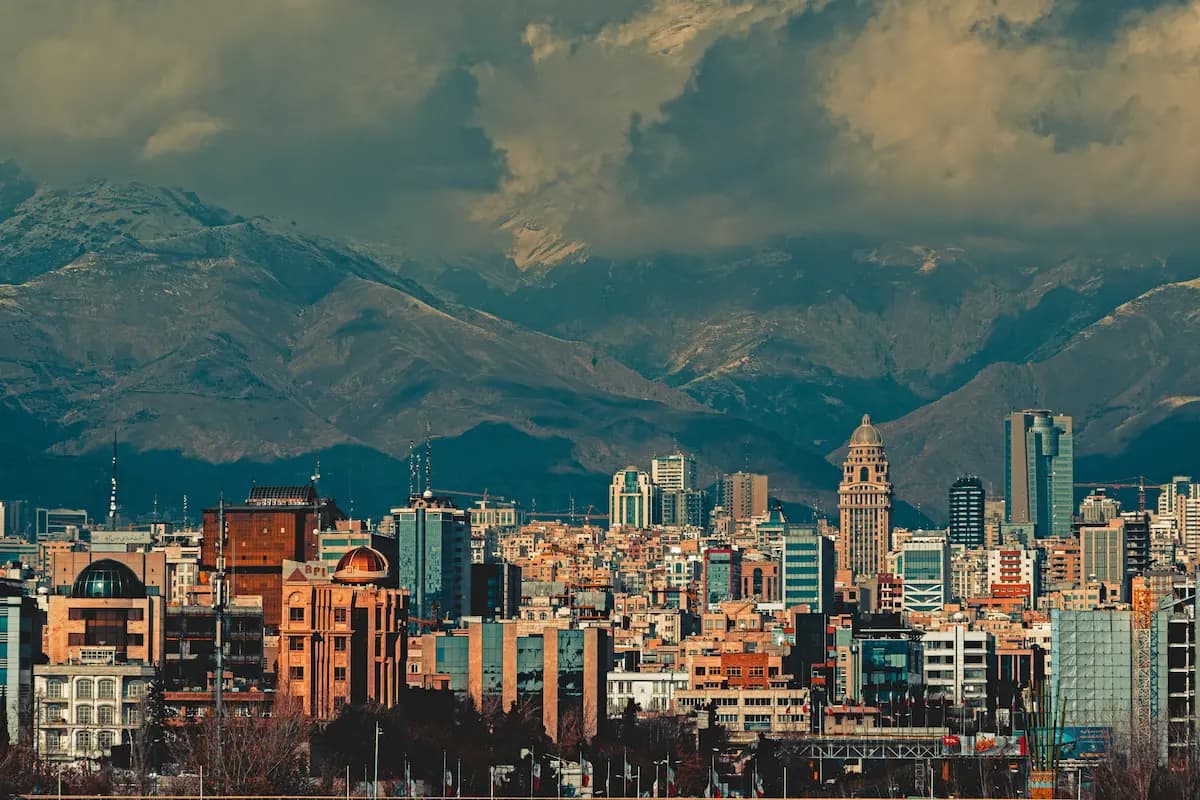
Tehran: A Land of Wonders, Opportunities & Contradictions
Discover Iran's dynamic capital, a captivating blend of ancient history, modern marvels, and diverse cultures.
Tehran: The Heartbeat of Iran
A Journey Through Time: Tehran's Rich History
Ancient Roots & Safavid Flourish
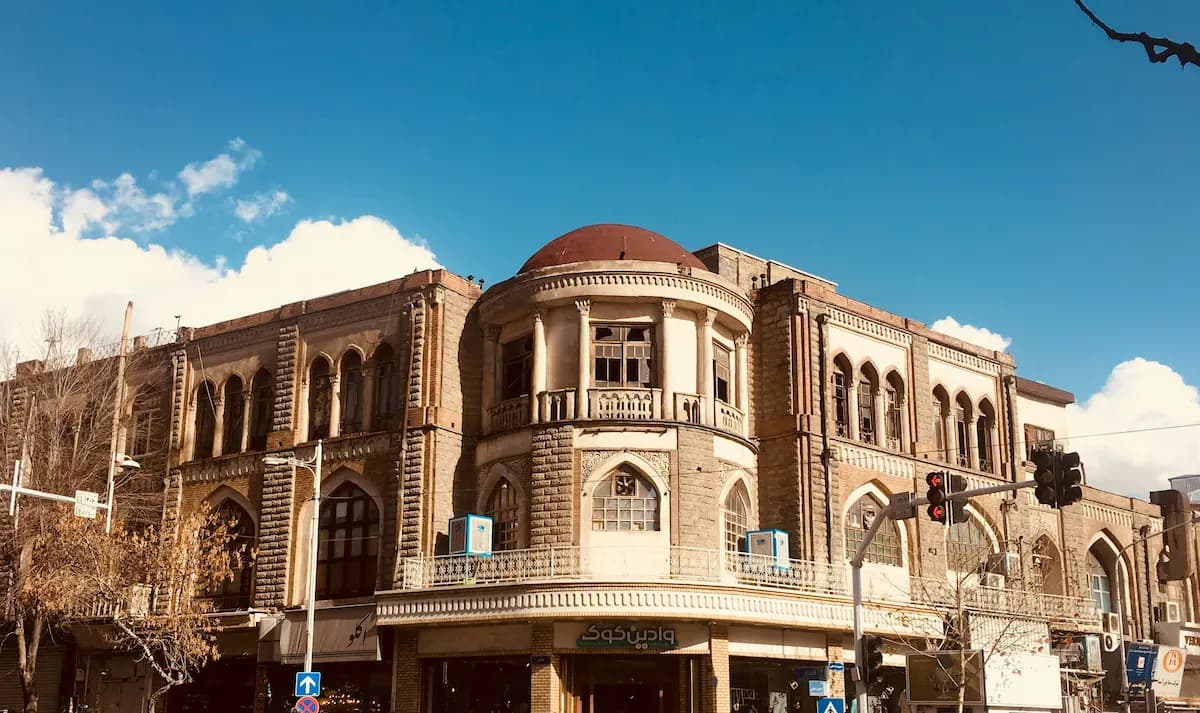
From Qajar Capital to Modern Metropolis
Tehran & Persian Culture: A Vibrant Melting Pot
Vibrant Traditions and Daily Life
Handicrafts, Literature & Art Scene
Architectural Evolution: From Traditional to Modern
Top Historical & Natural Attractions in Tehran
Explore the iconic landmarks and breathtaking natural beauty in and around Iran's capital.

Azadi Tower
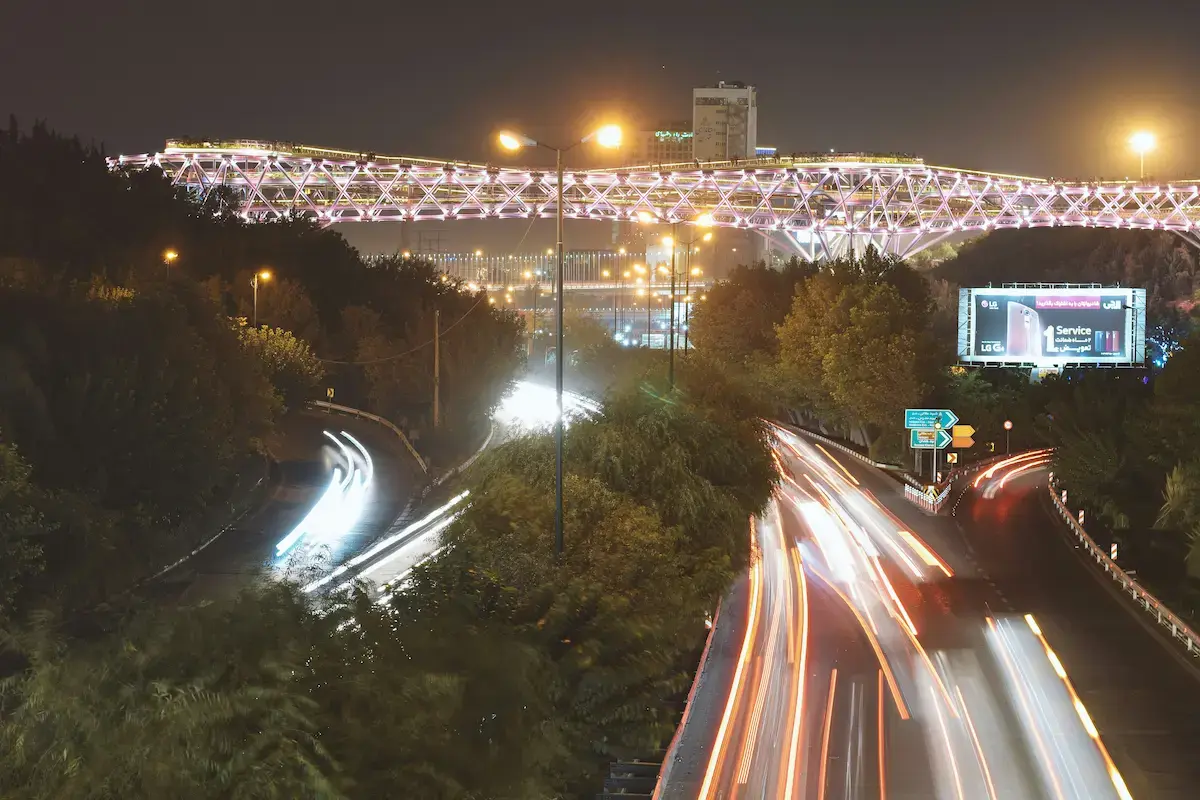
The Azadi Tower, meaning "Freedom Tower," stands as a profound national symbol at the west entrance of Tehran, marking the convergence of <a href="/iran-attractions/historical">Iran's deep-rooted history</a> and its modern identity. Originally known as Shahyad Tower, this iconic monument and its surrounding Azadi Square serve as Tehran's grand gateway, inviting visitors to delve into centuries of Persian artistry and innovation. A visit to Azadi Tower, Tehran, offers a unique window into the soul of a nation.
Carpet Museum of Tehran
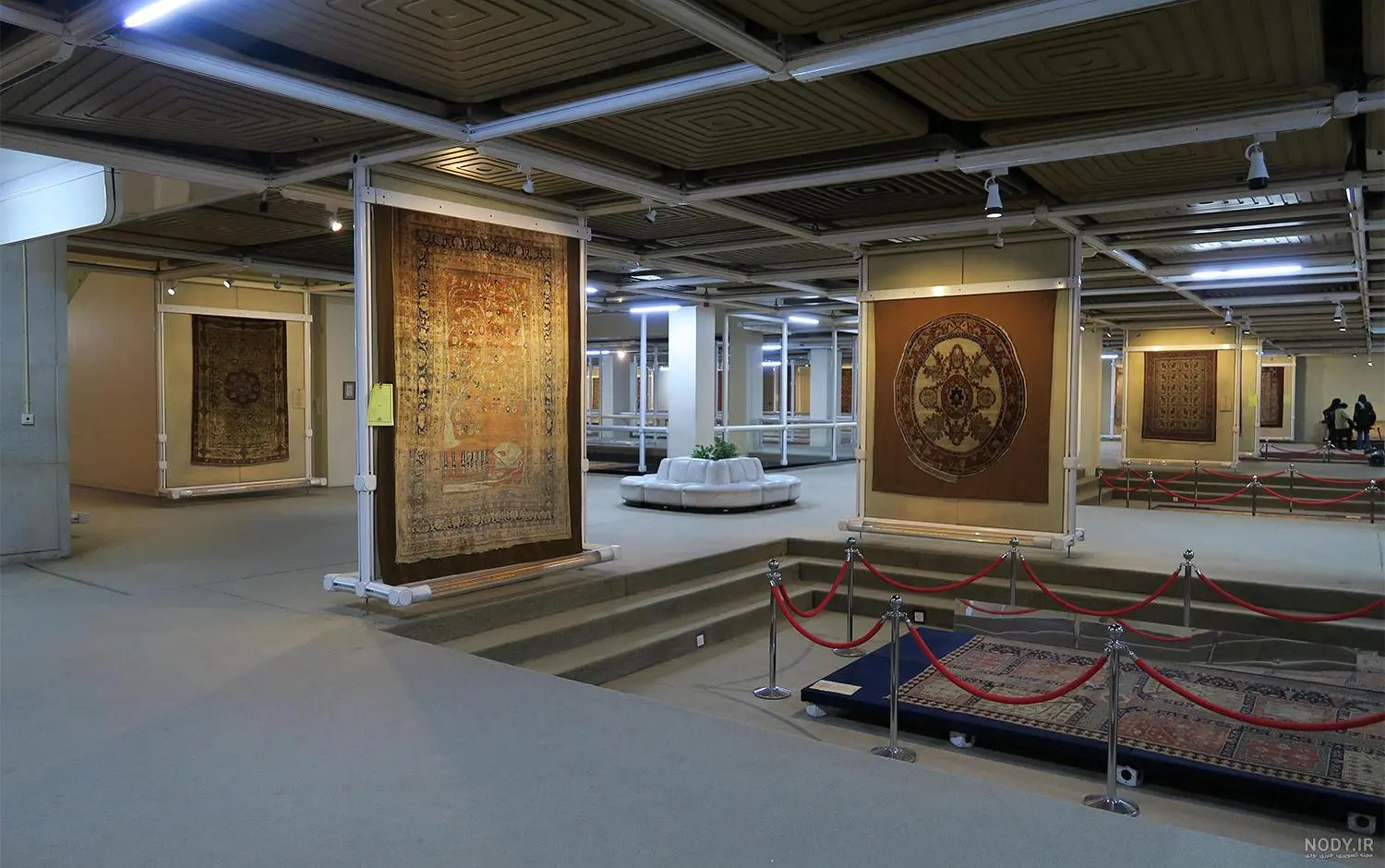
Embark on a vibrant journey through centuries of artistry at the Carpet Museum of Tehran, a true testament to Iran's rich cultural heritage. This remarkable institution beautifully showcases the intricate beauty and profound historical significance of Persian carpets, which are not merely floor coverings but living embodiments of Iranian civilization and <a href="/iran-attractions/historical">historical</a> narratives. It is an indispensable stop for anyone seeking to understand the soul of Iranian craftsmanship and art.

Golestan Palace
Step into a bygone era at Golestan Palace, Tehran's dazzling architectural masterpiece and a UNESCO World Heritage site that whispers tales of Persian grandeur. This historic complex, once the thriving heart of the Qajar dynasty, offers visitors an unparalleled journey through opulent halls, intricate mirror-work, and lush gardens. A visit to this magnificent <a href="/iran-attractions/historical">historical attraction</a> is an essential experience for anyone exploring Iran's rich past.
Mount Damavand
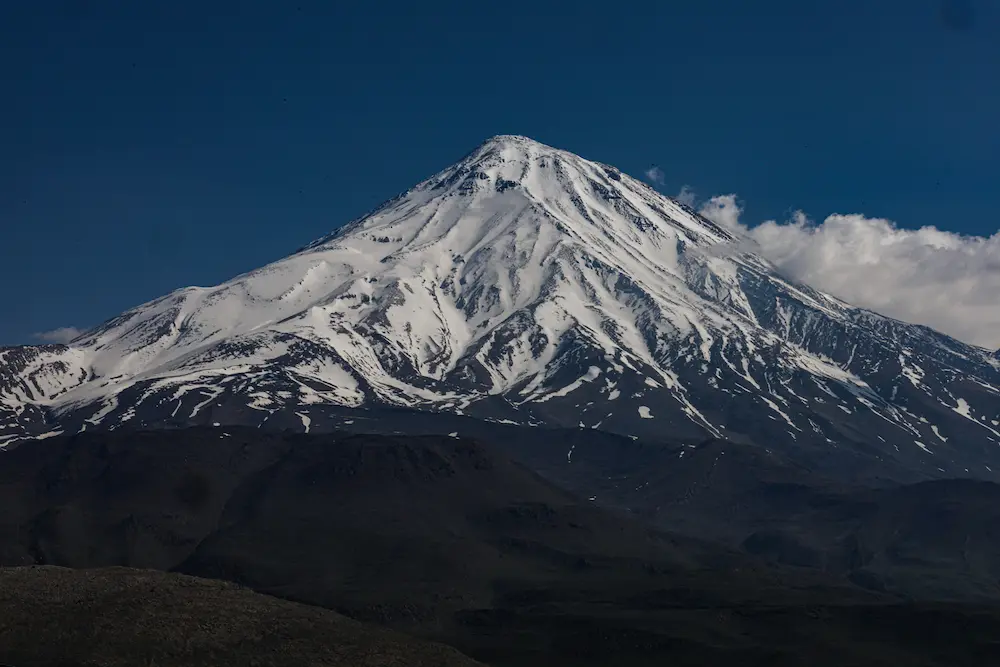
Rising majestically above the Alborz mountain range, Mount Damavand is far more than Iran's highest peak; it's a profound symbol of the nation's soul, resilience, and breathtaking natural beauty. This magnificent dormant volcano, frequently adorned with a snow-capped crown and occasionally exhaling sulfuric plumes, captivates onlookers and challenges mountaineers globally. To behold Mount Damavand is to gaze upon the heart of Persian lore, a testament to the <a href="/iran-attractions/historical">historical and natural wonders of Iran</a>. Its distinct conical form, often visible from Tehran on clear days, beckons adventurers and dreamers alike to its demanding slopes, offering unparalleled panoramic vistas and a profound connection to ancient mythology.
National Museum of Iran
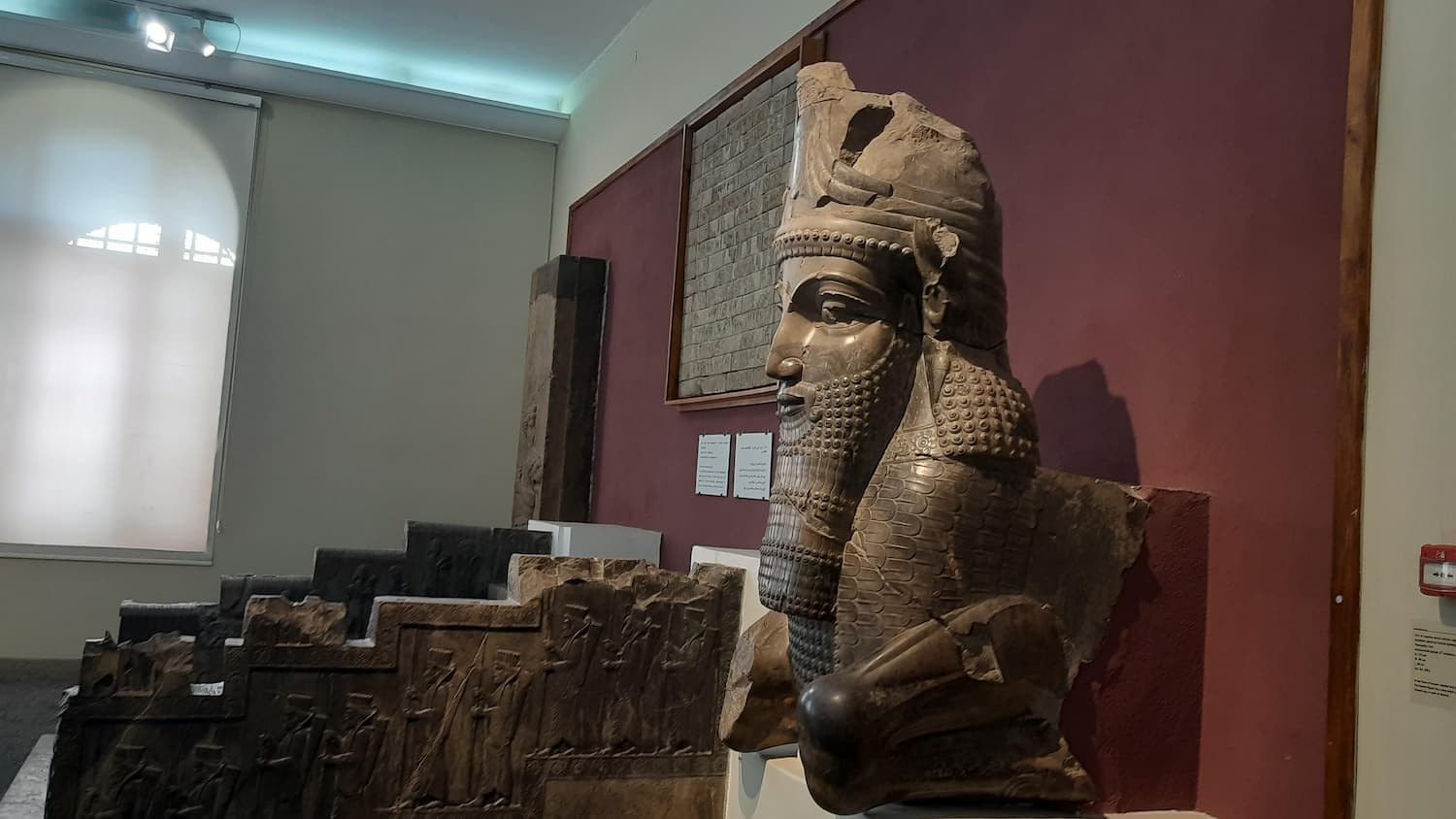
Welcome to the beating heart of Persian civilization. The National Museum of Iran is not just a building filled with relics; it is a time machine that transports you across 30,000 years of human history on the Iranian plateau. If you are an international traveler seeking to understand the deep, complex, and magnificent story of one of the world’s oldest cultures, this museum in Tehran is your essential starting point for exploring <a href="/iran-attractions/historical">Iran's historical attractions</a>. It stands as the unparalleled jewel among Iran’s Museums.
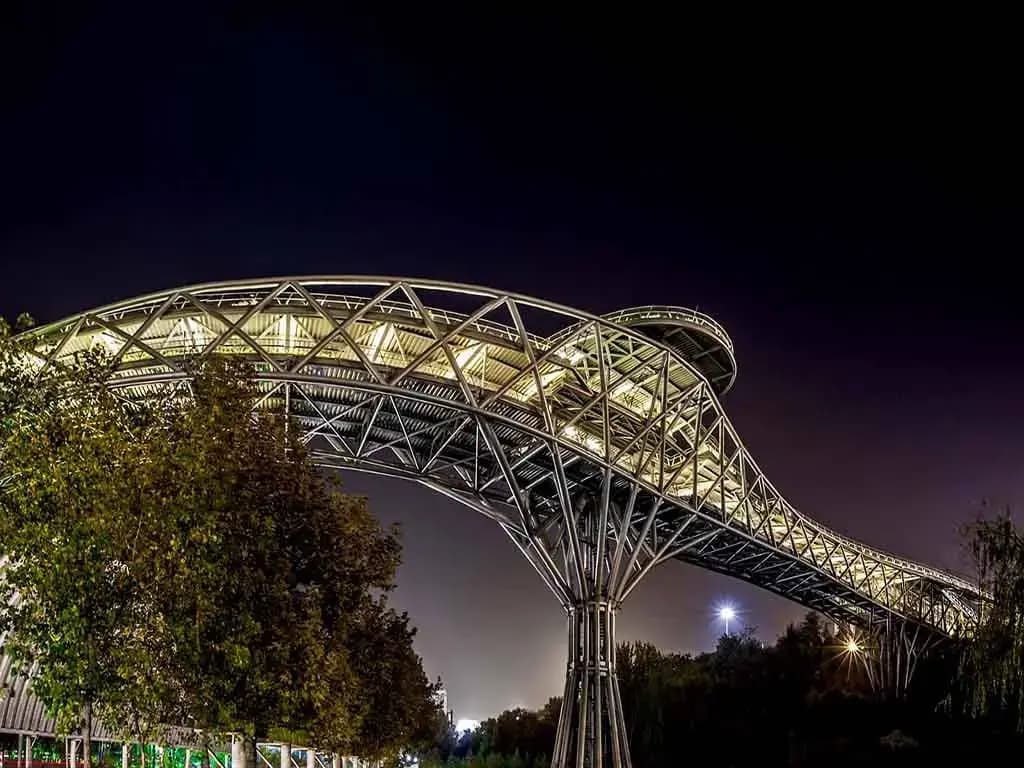
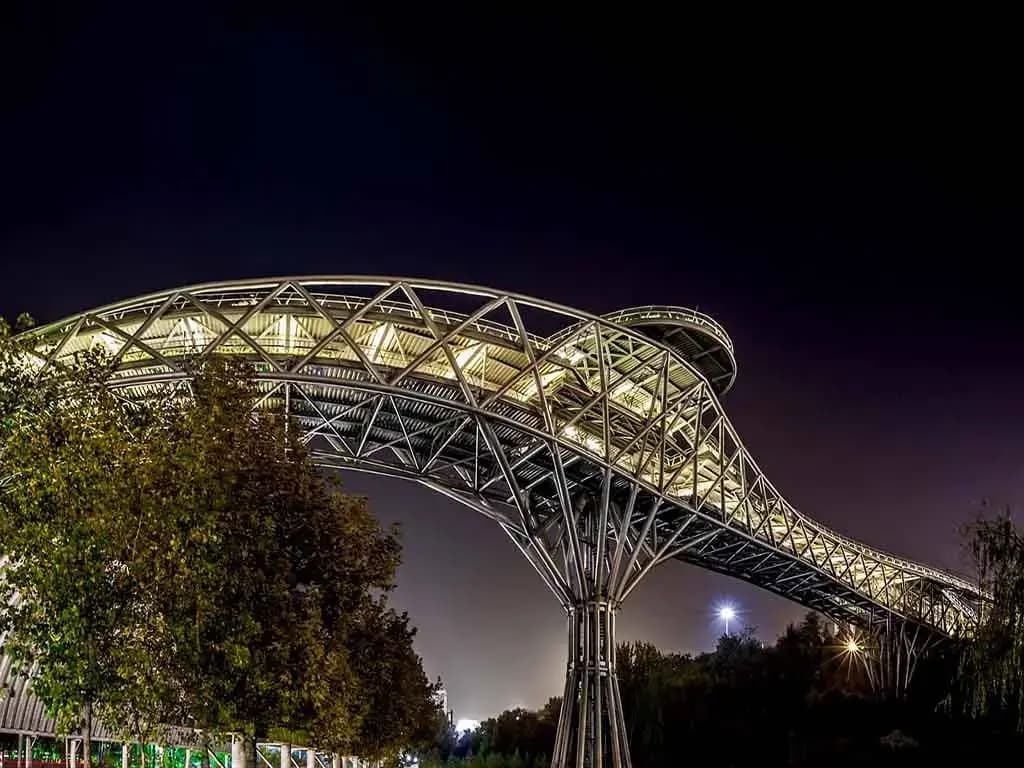
Nature Bridge, Tehran
The iconic Nature Bridge, known locally as Pol-e Tabi'at, stands as a stunning testament to modern Iranian architecture and urban design. Far more than just a pedestrian walkway, this multi-level masterpiece seamlessly connects Tehran's Taleghani and Ab-o-Atash parks, offering a vibrant social hub and breathtaking panoramic views of the city skyline and the majestic Alborz mountains. For those exploring Iran's rich tapestry of sights, from ancient wonders to contemporary marvels, the Nature Bridge provides a unique experience that beautifully complements the country's <a href="/iran-attractions/historical">historical attractions</a>.
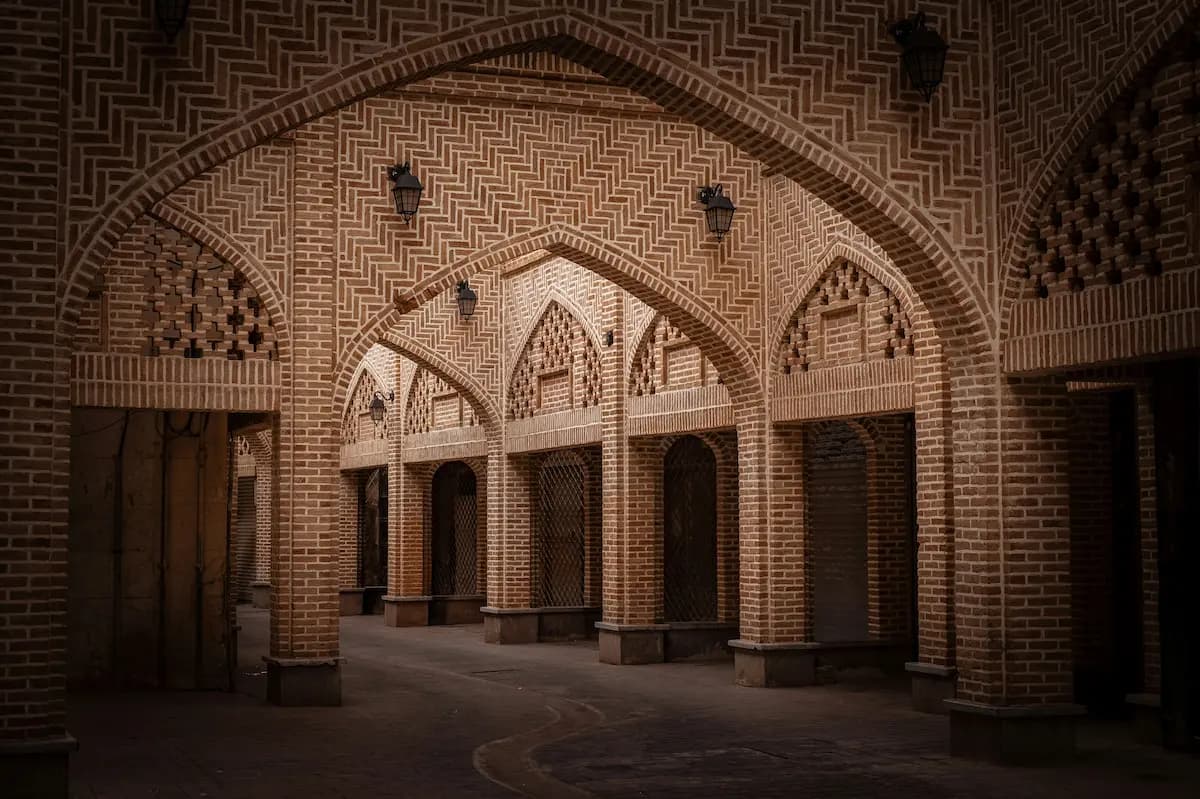
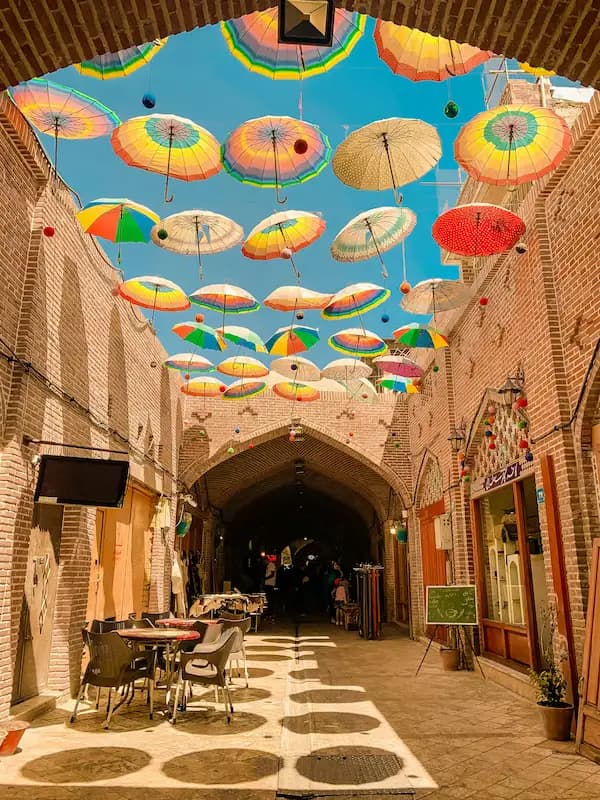
Tehran Grand Bazaar
More than just a marketplace, the Tehran Grand Bazaar (Bazaar-e Bozorg-e Tehran) is the pulsating economic and cultural heart of Iran, a monumental piece of living history. Spanning over 10 kilometers of labyrinthine corridors, this sprawling marketplace offers an unparalleled window into the country’s ancient commercial traditions and daily life. It is arguably the most important historical and commercial complex in the capital, acting as a massive urban hub and one of the premier <a href="/iran-attractions/historical">historical attractions</a> that draws millions of visitors, merchants, and tourists annually, offering a truly unmatched cultural and commercial experience.
Curated Tehran Tours & Experiences
Embark on guided journeys to uncover Tehran's hidden gems and vibrant culture.
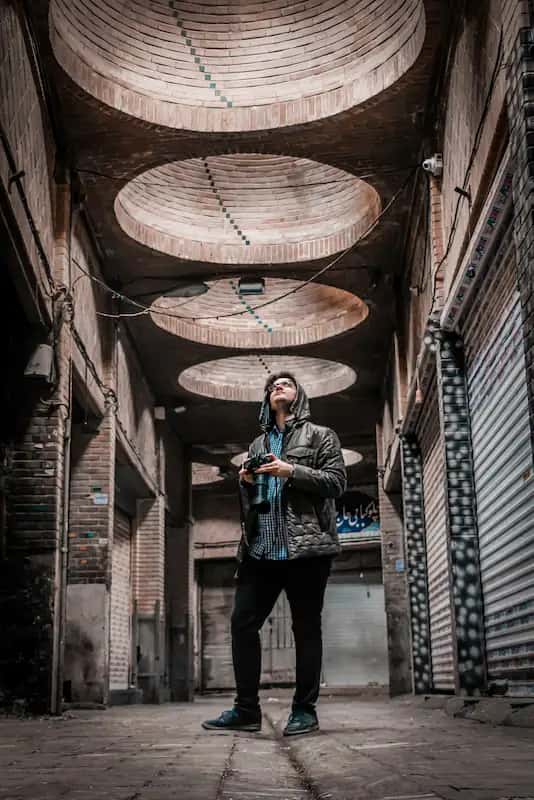
Tehran's Heritage Walk: Bazaar, Palaces & Street Food
Expert Local Guides for Your Tehran Adventure
Enhance your trip with knowledgeable guides who bring Tehran's stories to life.



Things to Do in Tehran: Experience the City Like a Local
Immerse yourself in Tehran's daily life and unique charm with these unforgettable activities.
Start Your Morning at Tajrish Bazaar with Traditional Breakfast
Indulge in an authentic Persian breakfast at a traditional teahouse near Tajrish Bazaar, then wander through its vibrant stalls filled with spices, nuts, and handicrafts.
Explore the Majestic Sa’dabad Palace Complex
Spend an afternoon at Sa’dabad Palace, nestled in the foothills of the Alborz Mountains. Discover its royal palaces, museums, and lush gardens for a blend of history and relaxation.
Experience Vibrant Nightlife at Darband or 30 Tir Street
Head to Darband for an evening of fresh kebabs and lively mountain-side cafes, or stroll down 30 Tir Street (Food Street) to savor diverse street food and enjoy Tehran’s modern social scene.
Hit the Slopes at Tochal or Dizin
During winter, enjoy thrilling skiing or snowboarding at Tochal ski resort, easily accessible via telecabin within the city, or venture to world-class slopes like Dizin for excellent powder conditions.
Food and Restaurants in Tehran: A Culinary Journey
Savor Tehran's diverse flavors, from traditional Persian stews to modern international delights.
Qormeh Sabzi
A rich and savory Persian herb stew, deeply flavorful and a staple of Iranian cuisine, often served with rice.
Ash-e Sholeh Qalamkar
A hearty and thick mixed bean and grain soup, traditionally prepared with various herbs, vegetables, and sometimes meat, perfect for colder days.
Bastani Sonnati
Traditional Persian saffron ice cream, infused with fragrant rosewater and studded with pistachios and sometimes frozen cream pieces.
Planning Your Trip to Tehran
Essential tips and information for a seamless and memorable visit to Iran's dynamic capital.
Best Time to Visit Tehran
Getting Around Tehran
Related Destinations
.webp&w=3840&q=75)
Frequently Asked Questions About Tehran
Get answers to common queries to help you plan your Tehran adventure.
Ready to Explore Tehran's Wonders?
Let Deytrips craft your unforgettable journey through the heart of Iran, blending history, culture, and modern marvels into a bespoke travel experience.
Plan Your Tehran Trip Now